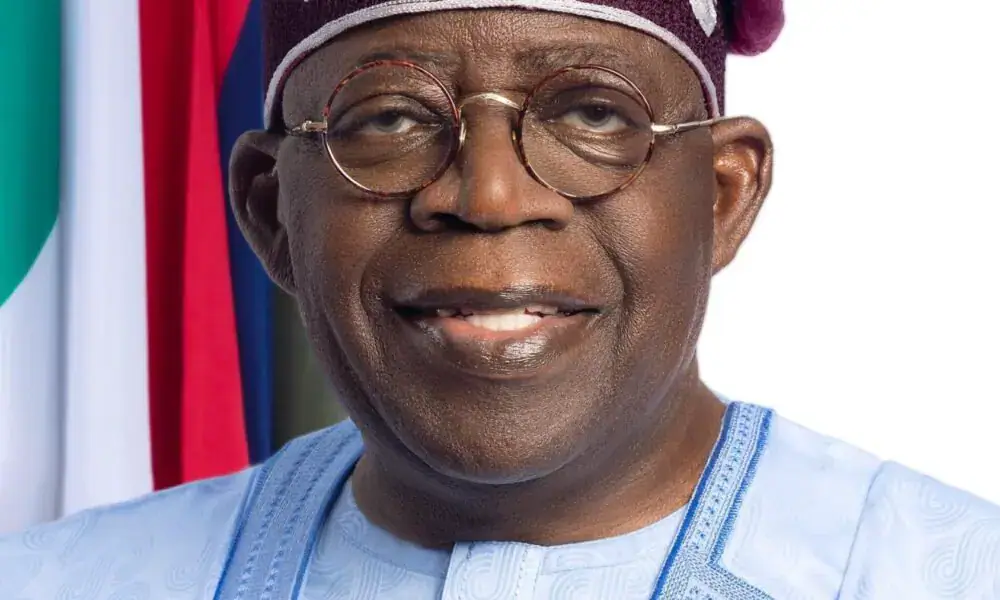
President Bola Tinubu has justified the Federal Government's plan to borrow $20.5bn to finance critical infrastructure projects. According to Tinubu, the funds will be used to support key sectors such as power, transportation, healthcare, education, agriculture, and water supply. The president's position was contained in a statement issued by his Special Adviser on Information and Strategy, Bayo Onanuga. Tinubu emphasized that the borrowing is necessary to address Nigeria's infrastructure deficit.
Tinubu explained that the proposed loans under the 2026-2027 borrowing programme will undergo technical and economic assessments to determine their viability and potential contributions to national development. The president maintained that the planned investments will generate employment, promote skills acquisition, encourage entrepreneurship, reduce poverty, and improve food security. These initiatives aim to create jobs, develop skills, support entrepreneurship, tackle poverty, and strengthen food security.
The president disclosed that most of the projects will be implemented across Nigeria's 36 states and the Federal Capital Territory. This nationwide distribution aims to address development needs across the country. Tinubu's administration believes that the projects will have a positive impact on the lives of Nigerian children and future generations. The borrowing plan is part of the Federal Government's efforts to bridge the country's infrastructure gap.
According to Tinubu, Nigeria's infrastructure deficit and the huge cost of addressing it have made additional external borrowing necessary. The president emphasized that the funds will be used to support critical infrastructure projects that will have a positive impact on the economy. The government's borrowing programme has been designed to support key sectors that will drive economic growth and development.
The $20.5bn borrowing plan is part of the Federal Government's 2026-2027 borrowing programme. The programme aims to support key sectors that will drive economic growth and development. Tinubu's administration is seeking to address Nigeria's infrastructure deficit through a combination of external borrowing and other funding sources. The government believes that the borrowing plan will help to stimulate economic growth and development.
Tinubu's Special Adviser on Information and Strategy, Bayo Onanuga, issued a statement on the president's position. Onanuga emphasized that the borrowing plan is necessary to address Nigeria's infrastructure deficit. The adviser highlighted the importance of the projects that will be funded under the borrowing programme. The projects aim to create jobs, develop skills, and support entrepreneurship.
The president's justification of the $20.5bn borrowing plan comes amid concerns about the country's rising debt profile. Tinubu's administration is seeking to address Nigeria's infrastructure deficit through a combination of external borrowing and other funding sources. The government believes that the borrowing plan will help to stimulate economic growth and development. The projects funded under the programme will have a positive impact on the lives of Nigerians.
Key points
- President Tinubu defends $20.5bn borrowing plan to fund critical infrastructure projects
- The funds will be used to support key sectors such as power, transportation, healthcare, education, agriculture, and water supply
- The projects aim to create jobs, develop skills, support entrepreneurship, reduce poverty, and improve food security