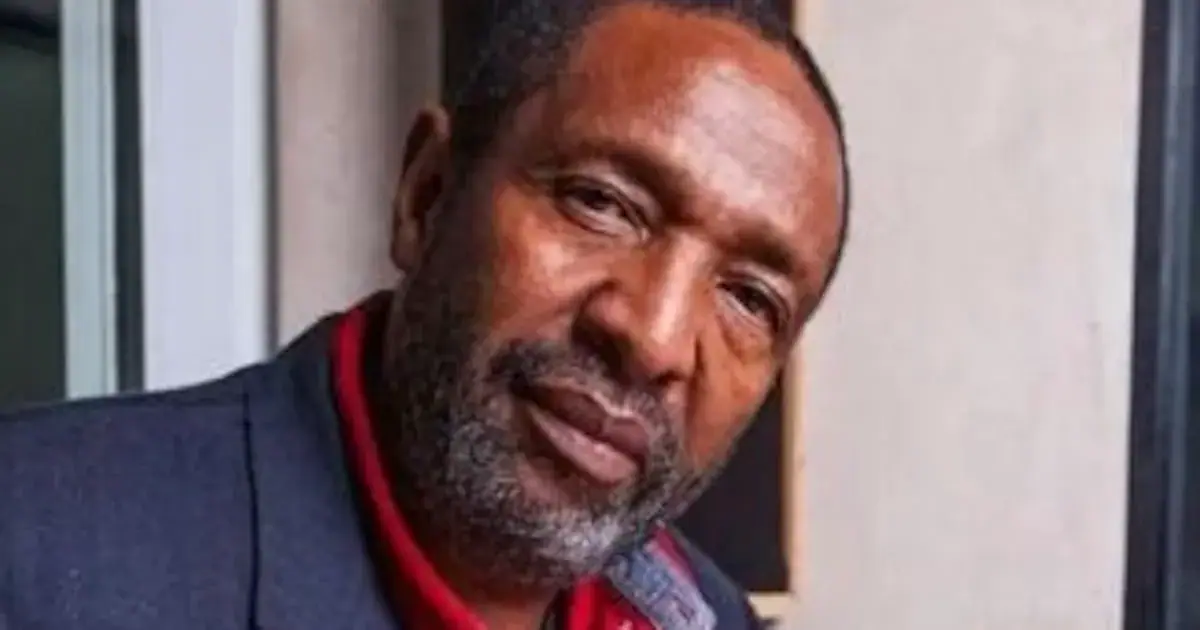
Renowned jazz pianist and composer Themba Mkhize is venturing into theatre with Ingoma-busuku / Nightsong, a musical production that combines isicathamiya and Western classical music. The show, which runs at the South African State Theatre in Pretoria until November 1, explores themes of ancestry, identity, and belonging. Mkhize's work is informed by his interest in traditional music and his concern about the marginalization of South African music on local radio.
Mkhize's inspiration for Ingoma-busuku / Nightsong stems from his desire to merge genres, such as jazz and maskandi, and to promote cultural heritage. His Master's research on the Mtubatuba Brothers, which examined the possibility of transcribing and notating isicathamiya, also influenced the production. Mkhize aims to showcase the richness of South African music and provide a platform for young musicians to learn about their heritage.
Bringing Ingoma-busuku / Nightsong to the stage has been a long and challenging process, according to Mkhize. The project, conceived several years ago, has undergone various transformations and required finding artists who could authentically perform both isicathamiya and classical music. Mkhize highlights the difficulty in finding a classical pianist who can also act and sing, as well as a singer who can perform both genres.
Mkhize encourages young people to watch Ingoma-busuku / Nightsong, citing the importance of understanding their heritage and learning from the storytelling in South African musical compositions. The production aims to promote appreciation for African music, including isicathamiya, and to inspire young music students to study and preserve their cultural heritage.
Mkhize notes that homegrown South African sound has evolved, with Ladysmith Black Mambazo taking isicathamiya to the international stage. He also mentions the popularity of maskandi among young people and the enduring legacy of songs like Mbube, written in 1939. However, Mkhize laments that cultural heritage is often only celebrated on specific days, such as Heritage Day, rather than being an integral part of daily life.
Mkhize recently performed at the Joy of Jazz with his son, Afrika, an experience he describes as a great pleasure. He praises Afrika as a talented musician and a friend with whom he can discuss music and learn. Mkhize, who graduated at the age of 64, emphasizes his curiosity and eagerness to continue learning from his son and others.
Looking to the future, Mkhize is optimistic about the prospects of jazz, describing it as music for freedom that will continue to evolve and thrive. He notes that jazz has undergone various transformations, from big-band to solo performances, and is confident that it will remain a vibrant and dynamic genre.
Key points
- Themba Mkhize's Ingoma-busuku / Nightsong promotes cultural heritage and appreciation for African music.
- The production combines isicathamiya and Western classical music to explore themes of ancestry, identity, and belonging.
- Mkhize encourages young people to learn about and preserve their cultural heritage through music.