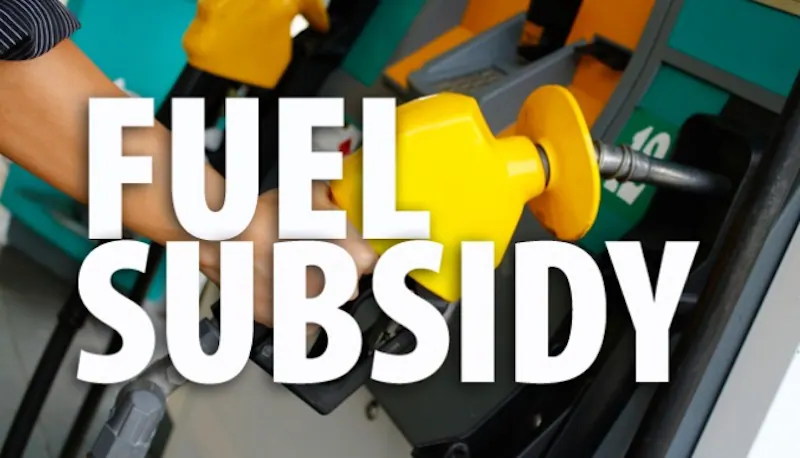
President Bola Tinubu has stated that Nigeria will not return to the petrol subsidy regime, which he described as ruinous. Instead, he is pushing for the deployment of Compressed Natural Gas (CNG) and electric mass transit systems to reduce transportation fares. Tinubu gave an update on the National Affordable CNG Transit Programme, highlighting progress made so far. He emphasized that the country cannot control global energy markets but can reduce its exposure by investing in alternative energy sources.
According to Tinubu, over 120,000 vehicles have been converted to CNG, with more than 400 certified conversion centres and 90 CNG refuelling stations operating across the country. These numbers are increasing daily, he said. Tinubu noted that disruptions to global energy supplies are pressuring petrol and diesel prices, leading to increased transportation costs worldwide. He stressed that Nigeria, as a gas-rich nation, can mitigate these effects by developing its CNG transportation ecosystem.
Tinubu met with the governors of all 36 states on August 27, 2023, and they agreed to work towards providing cheaper transportation for Nigerians by October 1. He tasked state governments to accelerate the deployment of CNG and electric mass transit systems to achieve this goal. An implementation committee for the National Affordable CNG Transit Programme was established, chaired by Governor AbdulRahman AbdulRazaq. The committee is working with stakeholders to identify priority transport corridors and determine appropriate interventions.
Several states have made progress in implementing CNG-supported transport services. Edo has 50 CNG buses in active service, while Kano has converted over 1,000 commercial vehicles and is expanding its conversion and refuelling network. Delta, Kwara, and Lagos states are also expanding CNG-supported transport services. Akwa Ibom has taken delivery of 50 CNG buses ahead of commercial operations. Tinubu encouraged other states to maintain momentum towards the October 1 deadline.
Tinubu emphasized that the country must accelerate the development of cheaper alternatives to petrol. He noted that Nigeria's economy was exposed to international oil price fluctuations when it previously subsidized petrol. The CNG transportation ecosystem is being developed to reduce the country's reliance on petrol and mitigate the effects of global energy market disruptions.
The President also highlighted the importance of collaboration between state governments, transport unions, and commercial operators to facilitate the deployment of CNG and electric mass transit systems. He urged states to support conversion and fleet deployment, as well as facilitate the establishment of refuelling stations. By working together, Tinubu believes that Nigeria can achieve its goal of providing cheaper transportation for its citizens.
With the deadline for cheaper transportation set for October 1, state governments are under pressure to deliver. Tinubu's directive is aimed at reducing transportation costs for Nigerians, who have been affected by the current global energy crisis. The success of the National Affordable CNG Transit Programme will depend on the cooperation and commitment of all stakeholders involved.
Key points
- President Bola Tinubu rules out returning to fuel subsidy regime.
- Over 120,000 vehicles converted to CNG in Nigeria.
- States tasked to deliver cheaper transportation by October 1.