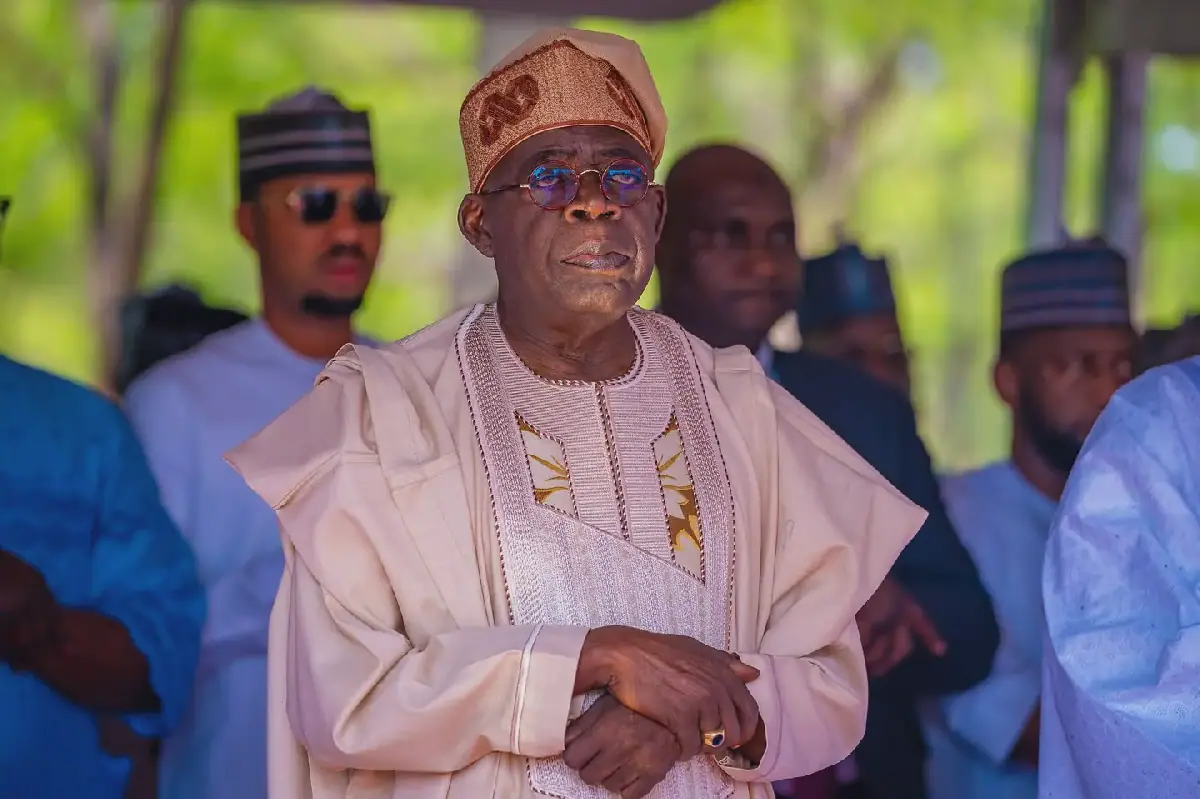
On Friday, President Bola Tinubu officially began the construction of the $3.5 billion Bakassi Deep Seaport in Cross River State, Nigeria. The project, which had faced years of delays, aims to expand Nigeria's maritime capacity and diversify its economy. The groundbreaking ceremony took place in Bakassi, with Vice-President Kashim Shettima representing President Tinubu. The project is expected to significantly boost Nigeria's maritime trade and create new economic opportunities.
The Bakassi Deep Seaport project includes a deep seaport with a 20-metre draft and a 260-kilometre superhighway to facilitate the evacuation of cargo to other parts of the country. According to Stanley Nkwocha, a senior special assistant to the president, the project will reduce Nigeria's reliance on Lagos for foreign trade and create opportunities for other coastal states. President Tinubu emphasized that the project is not intended to undermine Lagos, but rather to promote economic growth and development across Nigeria.
President Tinubu noted that over 80 per cent of Nigeria's foreign trade currently passes through Lagos, leading to congestion, delayed shipments, and higher prices. He stated that the Bakassi port would help alleviate these issues and promote economic diversification. The president also highlighted the potential of Nigeria's blue economy, which could generate $44 billion annually if the country could capture cargo traffic currently moving through neighbouring countries.
The project was first conceived during the colonial era and re-engineered in 2014, with its Environmental and Social Impact Assessment completed in March 2015. However, it stalled before Cross River Governor Bassey Otu revived efforts to secure its implementation. The state secured $3.5 billion in financing from the African Export-Import Bank and formalised a public-private partnership arrangement in February 2025.
Governor Bassey Otu said the project had faced significant hurdles, including political, environmental, and legal obstacles, before the Tinubu administration supported its revival. He noted that the initiative would give coastal states a greater role in the national economy by diversifying economic activities and strengthening their revenue base. The governor also emphasized the importance of local participation in the project's implementation and operation.
The Managing Director of the Nigerian Ports Authority, Abubakar Dantsoho, said the port could strengthen trade links between Nigeria and landlocked countries, including Chad, Niger, Mali, and Burkina Faso. The African Export-Import Bank also backed the project, with its president, George Elombi, citing its potential to expand port capacity and facilitate trade under the African Continental Free Trade Area.
At the African Sub-Sovereign Governments Network Investment Conference in Calabar on Friday, Vice-President Shettima urged state governments to identify their competitive advantages, prepare bankable projects, and attract private capital. He emphasized that development depends on implementation at the subnational level, where infrastructure connects producers to markets and businesses create jobs. The construction of the Bakassi Deep Seaport is expected to stimulate investment in logistics, trade, fishing, shipping, tourism, and shipbuilding.
Key points
- The project aims to expand Nigeria's maritime capacity and diversify its economy.
- The port is expected to reduce Nigeria's reliance on Lagos for foreign trade and create opportunities for other coastal states.
- The project could generate $44 billion annually for Nigeria's blue economy.
Reporting sources
- Tinubu flags off construction of $3.5bn Bakassi Deep Seaport · Premium Times