In Rwanda, premature babies and newborns with complications often face significant challenges after being discharged from hospital. Parents must support their child's development while navigating uncertainty about their future and the added burden of stigma and social isolation. Everyday activities like feeding, communication, and movement can be particularly challenging for families raising children with developmental disabilities. A lack of clear understanding about what to expect as their children grow and where to seek help can exacerbate these difficulties.
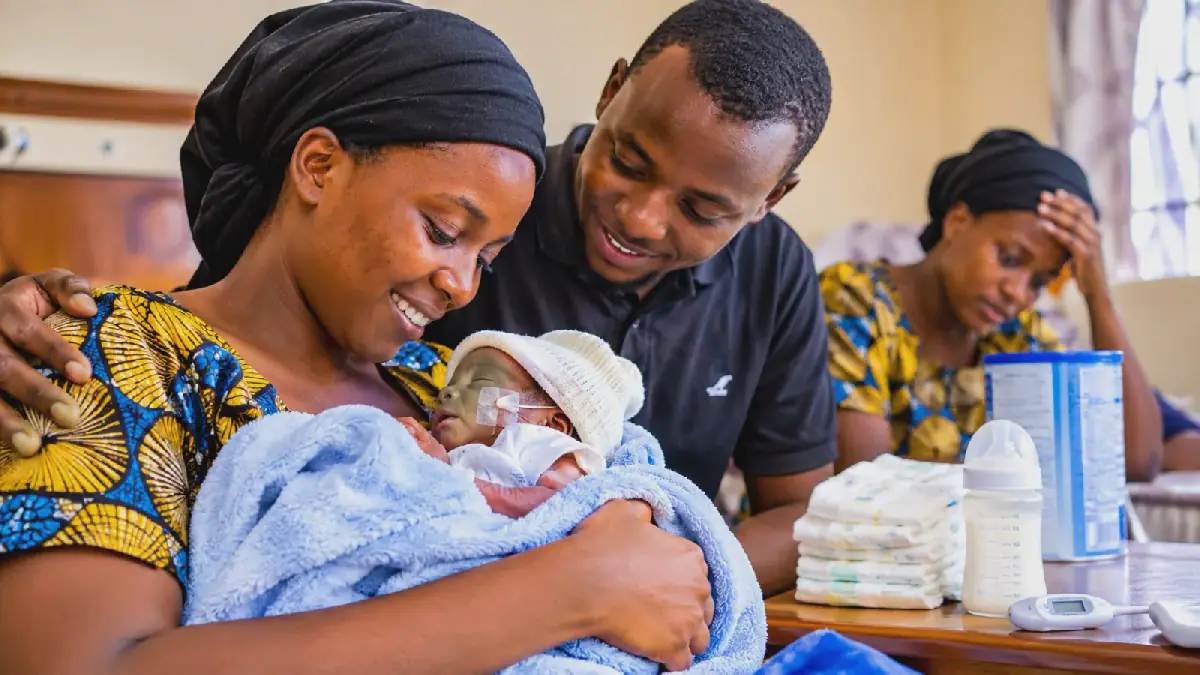
Angelique Murekatete, a 39-year-old mother of four, experienced these challenges firsthand when her premature baby girl was born at Nyarugenge hospital on July 10, 2025. Despite receiving necessary medical care, bringing her home was only the beginning of another demanding journey. Murekatete worried about her daughter's development, but she draws encouragement from her steady progress and believes that with patience, time, and appropriate care, she will grow into a healthy and strong person.
The Pediatric Development Clinic (PDC)-Baby Ubuntu model, developed by Rwanda's Ministry of Health in partnership with Partners in Health (PIH), aims to address these gaps by providing structured follow-up and family support to improve the lives of children at risk of developmental disabilities and their caregivers. The model combines clinical follow-up for high-risk infants with practical group sessions for caregivers. A cluster randomized trial involving 1,247 children across 56 health centers in Burera, Kamonyi, and Gakenke districts assessed its effectiveness.
The trial found that among families caring for children with developmental disabilities, 66.1 percent in the intervention group recorded a meaningful improvement in quality of life, compared with 42.9 percent in the comparison group. Caregiver psychological distress also decreased, with 27 percent of caregivers in the intervention group experiencing distress, against 42.8 percent in the comparison group. The study recorded improvements in caregiver confidence and reduced disability-related stigma.
Dr. Erick Baganizi, Head of Division for Clinical Programs at PIH, emphasizes that attention to caregivers is central to the program. The model has since been integrated into 82 health centers and seven hospitals across five districts, with preliminary costing putting the average first-year expense at about $280 per child, falling to approximately $153 annually once the program is fully established.
Policy recommendations call for the model to become a national standard for following up high-risk newborns, with phased expansion to health centers in every district. They also propose integrating relevant training into nursing curricula and establishing sustainable financing. The Permanent Secretary in the Ministry of Health, Jean Marie Vianney Ndayizigiye, stated that Rwanda's ambition must extend beyond ensuring newborn survival.
For mothers like Angelique, the importance of such support is measured in the everyday progress of their children. Her daughter's journey may be slower than she initially expected, but she remains hopeful about what lies ahead. Ultimately, saving a premature baby's life is only the first step; ensuring that the child continues to receive the care and support needed to grow and reach their potential is the responsibility that follows.
Key points
- The Pediatric Development Clinic (PDC)-Baby Ubuntu model provides structured follow-up and family support to improve the lives of children at risk of developmental disabilities and their caregivers.