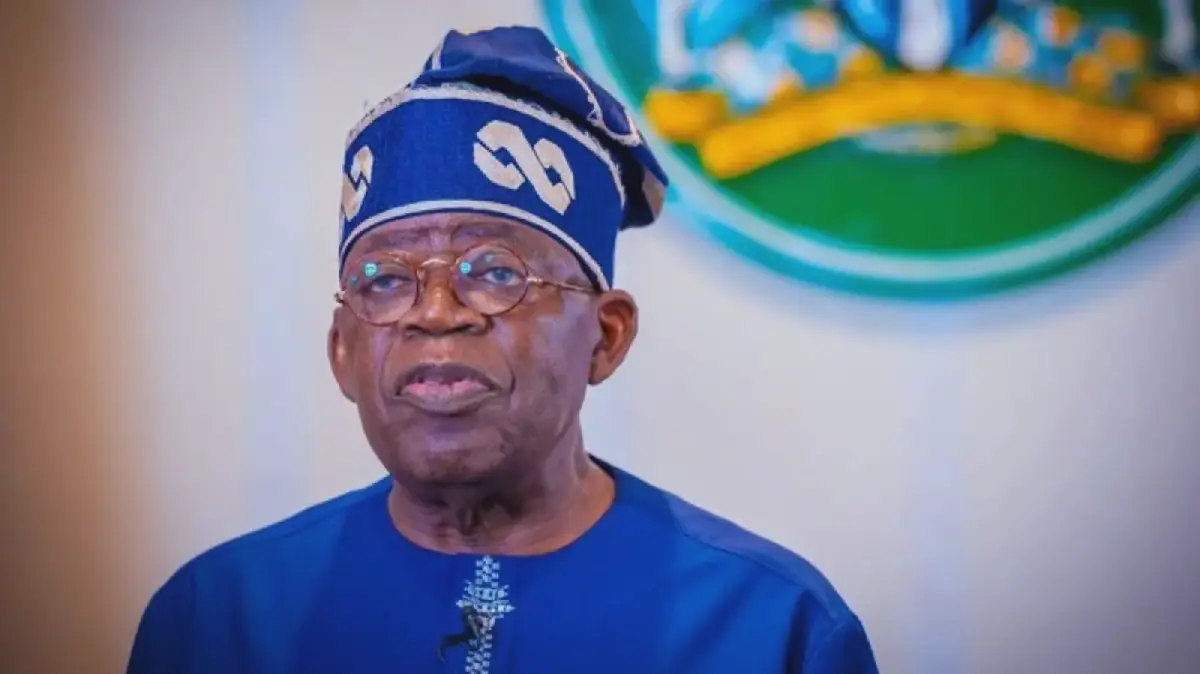
President Bola Tinubu has defended his administration's fresh external borrowing plans, arguing that infrastructure investments are critical to achieving a $1 trillion economy by 2030. In an essay, Tinubu maintained that public borrowing should be assessed by the economic value it generates rather than the amount raised. He emphasized that investments in roads, electricity, rail, and commercial ports would expand productive capacity, create jobs, and attract private capital. Tinubu's defence comes as he seeks National Assembly approval for external borrowing facilities of $20.52 billion and €1.045 billion.
The President identified key projects expected to strengthen Nigeria's economic competitiveness, including the Lagos-Calabar Coastal Highway, Sokoto-Badagry Superhighway, and Trans-Sahara Superhighway. He projected that the Lagos-Calabar Coastal Highway could reduce logistics costs along its corridor by 15 to 20 per cent and contribute up to two per cent to the country's Gross Domestic Product. The project is also expected to generate about 100,000 direct jobs in construction and engineering, alongside more than 150,000 indirect jobs. Tinubu emphasized that achieving a $1 trillion economy by 2030 would require sustained infrastructure investment.
Tinubu cited improvements in key economic indicators following reforms introduced since May 2023, including the removal of petrol subsidy and unification of the foreign exchange market. He said real GDP growth reached 4.43 per cent in the second quarter of 2026, while headline inflation declined to 14.63 per cent in September from 20.98 per cent a year earlier. Gross external reserves stood at $55.1 billion as of October 9, 2026, including approximately $46 billion in net reserves. The country's tax-to-GDP ratio also rose to 12.5 per cent from seven per cent.
The Nigeria Labour Congress (NLC) has challenged the justification for continued external borrowing, arguing that the government's claims of increased revenue following the removal of petrol subsidy require an explanation. NLC President Joe Ajaero questioned the government's decision to seek fresh loans from international financial institutions despite its reported increase in revenue. Ajaero also cited rising crude oil prices as grounds for reconsidering the borrowing plan. He demanded comprehensive details of the projects to be financed, including costs, implementation schedules, and repayment obligations.
Opposition figures, including Atiku's aide and the Nigerian Democratic Congress (NDC), have also demanded greater transparency over the proposed loans. They asked the government to explain why additional borrowing remains necessary despite claims of increased revenue. The opposition figures also called for a comprehensive debt register and project costs before the National Assembly approves the request. The demands come as the government seeks to redirect public borrowing from meeting short-term fiscal pressures towards investments capable of generating economic returns.
Tinubu outlined five priorities for the next phase of the Federal Executive Council's economic strategy, including ensuring food affordability and energy price stability. He also emphasized the need to harmonize budgets and strengthen fiscal discipline, complete high-impact projects, and invest in critical infrastructure. The President said the administration's success would ultimately be measured by completed projects, increased investment, job creation, and improved living standards rather than the amount of financing secured.
The administration is working to redirect public borrowing from meeting short-term fiscal pressures towards investments capable of generating economic returns, creating jobs, and expanding opportunities for future generations. Tinubu said longer-term financing arrangements would align repayment obligations with the useful lives of infrastructure assets, reduce refinancing pressures, and support productive investments. The President emphasized that securing financing is not the achievement, but rather completing the project, delivering value, and improving the lives of Nigerians.
Key points
- President Tinubu defends fresh loans, citing infrastructure investments as key to achieving a $1 trillion economy by 2030.
- NLC and opposition figures demand greater transparency over proposed loans, questioning the justification for continued external borrowing.
- The administration outlines five priorities for the next phase of its economic strategy, including ensuring food affordability and energy price stability.