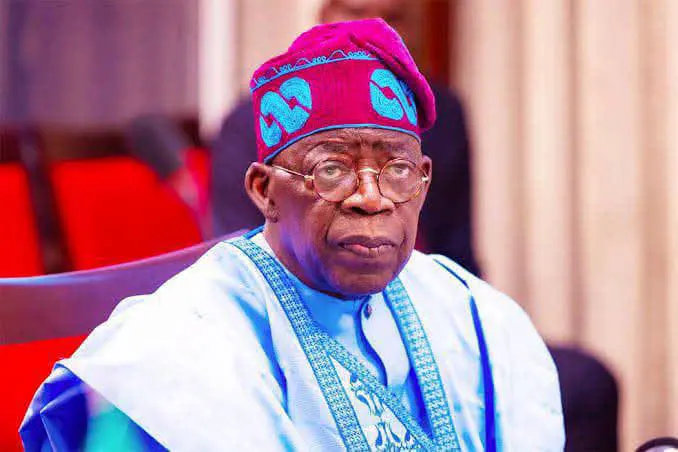
On October 1, 2026, President Bola Tinubu addressed Nigerians on the country's 66th Independence anniversary, marking a significant milestone in the nation's history. In his address, Tinubu declared that Nigeria's era of difficult economic reforms was over, and the country had entered a new phase focused on delivering shared and widespread prosperity to its citizens. This statement comes after three years of economic reforms aimed at correcting longstanding distortions in the economy. Tinubu emphasized that the administration's economic priority had shifted, with a new focus on prosperity.
According to Tinubu, the reforms undertaken since his administration assumed office had produced improvements in Nigeria's economic outlook. He cited economic growth of more than four percent this year, lower inflation, rebuilt foreign reserves, and a more stable foreign exchange market. Additionally, Tinubu mentioned that oil theft had declined, and Nigeria recorded its highest-ever revenue from non-oil exports in 2025, exceeding $6 billion. These improvements were recognized by international observers, journalists, non-governmental organizations, and multilateral institutions.
Despite the economic gains, Tinubu acknowledged that the prosperity must translate into tangible improvements in the lives of ordinary Nigerians. He stated that prosperity should not be measured simply by the size of the economy or improved economic statistics but by whether Nigerians could produce, work, and live with greater security and opportunity. Tinubu outlined a vision of a Nigeria where farmers could cultivate their land safely and earn better returns, factories have reliable electricity, businesses could access credit, and young Nigerians could find productive employment.
Tinubu promised that food and transportation would become more affordable while education and other essential services would become more accessible. He listed expanded mechanized irrigation and dry-season farming, greater access to seeds and fertilizer, increased mechanization, improved storage and transportation, and continued investment in roads, railways, and ports among the measures being pursued. These initiatives aim to reduce the cost of living by lowering the cost of producing and transporting goods.
The President emphasized that reducing production and transportation costs would ultimately bring down the prices of goods in the market. He argued that when a farmer produces more cheaply, when fewer crops are lost between the farm and the market, when a manufacturer spends less on electricity, when a truck reaches its destination faster, and when the business environment fosters fair competition, all those savings will ultimately find their way into the price of goods in the market.
Tinubu placed jobs, enterprise, and industrial growth at the center of the new phase, promising to use Nigeria's gas resources to power new industries and support the revival of factories in major industrial centers. He said the government would expand digital connectivity, invest in skills demanded by employers, and provide Nigerian businesses with infrastructure and financing to expand. Additionally, Tinubu noted that millions of Nigerians still face difficulties meeting basic needs, but argued that these challenges were the accumulated result of decades of low productivity, inadequate infrastructure, and insufficient opportunities.
Tinubu urged Nigerians to look beyond the sacrifices associated with the reform period and focus on building on what he described as stronger economic foundations. He called on Nigerians to move forward with confidence in the country's future, describing the destination as a Nigeria of "abundance and opportunity" where prosperity is broadly shared and every child can aspire beyond the circumstances of birth. The President stressed that sustained economic growth and the creation of millions of productive opportunities across the country were necessary to achieve this objective.
Key points
- President Bola Tinubu declares the end of Nigeria's economic emergency treatment and ushers in a new era of prosperity.
- Tinubu cites improvements in Nigeria's economic outlook, including economic growth, lower inflation, and rebuilt foreign reserves.
- The President outlines a vision for a Nigeria with greater security and opportunity, where prosperity is broadly shared.