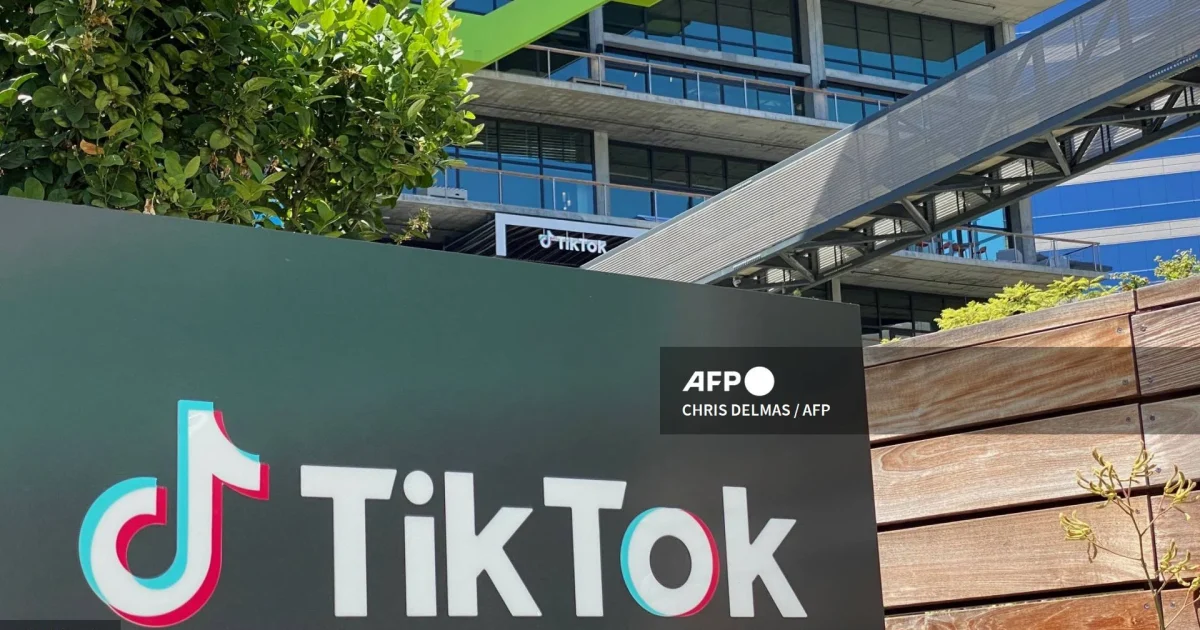
TikTok has agreed to a settlement with Alabama, avoiding a trial that was set to begin on Monday. The settlement requires TikTok to implement time limits and other restrictions for teen users, mirroring a recent agreement made by Instagram-owner Meta. As part of the deal, TikTok will pay Alabama at least $100 million and potentially up to $300 million if other states accept similar agreements.
The settlement is a significant development in a wave of litigation targeting social media companies across the United States over the harm their apps allegedly cause young users. Alabama's suit claimed that TikTok misled parents about tools meant to shield children from harmful content. Attorney General Steve Marshall hailed the settlement as "a great day for Alabama parents," stating that they can now rest easier knowing that real protections are in place to shield their children from the dangers of social media addiction.
Under the settlement, TikTok will implement a range of safety provisions, including a two-hour daily time limit for teens, restricted access from midnight to 6:00 am, and suspended notifications during school hours. The company will also strengthen age verification, ban beauty filters for teenagers, and offer young users a non-personalised content feed. These measures are similar to those agreed to by Meta in its recent settlement with US states.
The settlement also includes a conditional restriction that expands the nighttime shutdown period to 10:00 pm to 7:00 am, if other platforms also commit to do the same. TikTok's spokesperson stated that the company's priority has always been fostering a safe and positive space for users, and that this settlement builds on its commitment to continually enhance its robust safety tools to protect teens.
More than a dozen other states, including California and New York, still have active suits against TikTok. The company has previously settled cases against it that were headed for trial, including a Los Angeles lawsuit brought by a young woman and a suit from a Kentucky school district. Meta, by contrast, has taken its chances in court, with mixed results, including a $375 million judgment against it in New Mexico.
Alabama originally sued TikTok and its Chinese parent company ByteDance in April 2025, alleging that the app was engineered to hook young users. The state later narrowed its case to claims under Alabama's Deceptive Trade Practices Act, focusing on whether TikTok misrepresented the effectiveness of features such as "Restricted Mode" and "Kids Mode." Despite TikTok's assurances, accounts in these modes were quickly served videos about mature themes.
The settlement marks a significant step for TikTok in addressing concerns over its impact on young users. By implementing new safety provisions and paying a substantial sum to Alabama, the company is taking steps to mitigate the risks associated with its platform. As the company continues to face litigation from other states, it remains to be seen how these developments will shape the future of social media regulation in the United States.
Key points
- TikTok agrees to pay Alabama at least $100 million and implement teen time limits and restrictions.
- The settlement mirrors safety provisions agreed to by Meta, including a two-hour daily time limit for teens.
- More than a dozen other states still have active suits against TikTok.