The Gaza conflict, which began three years ago, has resulted in significant human and economic losses. According to a report by the Palestinian Center for Policy Studies, the war has claimed 74,237 lives and injured 175,206 people. The report, which cites data from the Gaza Ministry of Health, the UN, and other international organizations, highlights the dire situation in Gaza. The conflict has had a devastating impact on the local economy, with a contraction of approximately 84%.
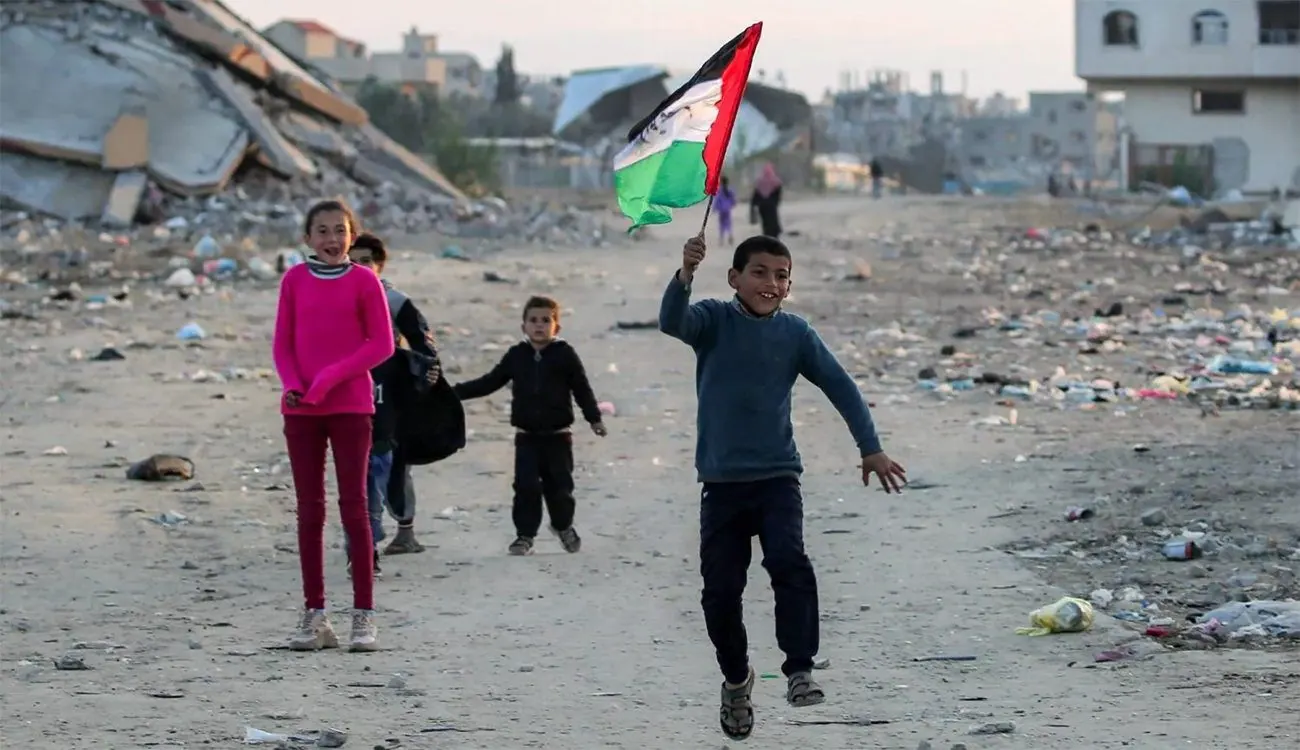
One year after the ceasefire, the situation in Gaza remains challenging. The report notes that the ceasefire has led to a significant decrease in fatalities, with an average of 4 deaths per day, down from 99 per day during the war. However, the humanitarian and urban situations are still far from stable. At least 371,888 homes have been damaged or destroyed, and the UN estimates that 61 million tons of debris need to be removed. So far, only 907,000 tons have been cleared.
The reconstruction efforts in Gaza face significant challenges. The report estimates that 71.4 billion dollars are needed for reconstruction over the next ten years, with 26.3 billion dollars required in the first 18 months. The economy of Gaza has been severely impacted, with 65% of households living in tents or temporary shelters. Furthermore, 94% of the population needs urgent assistance with housing and essential goods.
The healthcare system in Gaza is also struggling to cope with the aftermath of the conflict. According to the World Health Organization, only 19 of the 36 hospitals are partially functional, with none operating at full capacity. The report notes that 43,000 people have suffered life-altering injuries, including 10,000 children, while over 50,000 injured individuals require long-term rehabilitation.
The crisis in Gaza is not limited to the humanitarian sphere. The report highlights that 63% of households have access to less than 6 liters of potable water per person per day, while 74% rely on water tankers. The food situation is also dire, with over 1.2 million people, or 59% of the population, facing a crisis or worse in terms of food security between April and June.
The education sector in Gaza has also been severely impacted. The report notes that the 2026-2027 school year began with approximately 495,000 children enrolled in educational spaces supported by the UN and its partners. However, around 200,000 children are still deprived of structured education, while the sector has received only 13% of the requested funding.
The impasse in the peace process is a major obstacle to reconstruction efforts. The report notes that the second phase of the agreement, announced in January, has not been implemented due to disagreements on the order of steps, particularly regarding the relationship between Hamas disarmament and Israeli withdrawal. The report concludes that the ceasefire has reduced the intensity of violence but has not addressed the consequences of the war or the main crises facing Gaza.
Key points
- 71.4 billion dollars are needed for reconstruction in Gaza over the next ten years.
- The Gaza conflict has resulted in 74,237 deaths and 175,206 injuries.
- The ceasefire has not led to a significant improvement in the humanitarian situation in Gaza.