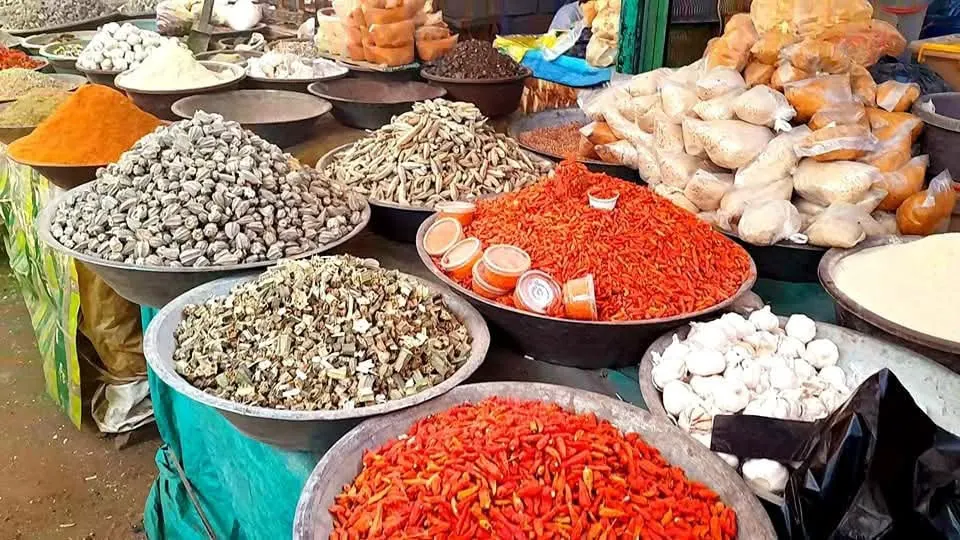
El-Obeid, a city in North Kordofan, Sudan, has become a refuge for displaced persons fleeing the conflict, straining its resources. The city's strategic location, connecting eastern and western Sudan, has made it a commercial hub. However, the ongoing war has altered its function and fate, overwhelming its infrastructure and services. The influx of displaced individuals has led to a significant increase in population, causing a surge in demand for essential goods.
The prices of basic commodities have skyrocketed, with a bag of sugar costing 345,000 pounds, lentils 180,000 pounds, and onions 286,000 pounds. The price of flour has reached 112,000 pounds. Bread, a staple for the poor, has become a luxury, with three loaves costing 1,000 pounds. Moreover, the bread often does not meet the standard weight, leaving citizens paying more for less. The cost of meat has also increased, with beef ranging from 34,000 to 40,000 pounds per kilogram and lamb from 56,000 to 60,000 pounds.
The housing market has also been affected, with rent prices rising alarmingly, adding to the burden on families already struggling due to the war. Those with limited income, particularly public sector workers, have been hit hardest. Their salaries have not increased in years, while prices continue to rise, eroding their purchasing power. As a result, many families have had to cut back on essential items.
The lack of a clear vision or policy to regulate the market has exacerbated the situation. Although there have been discussions about reactivating cooperative societies, citizens have yet to see tangible results. The absence of effective markets or sales outlets offering discounted prices has left people feeling disillusioned. The gap between official rhetoric and the reality on the ground continues to widen.
To address the crisis, innovative solutions are required, such as establishing local farms and greenhouses to stabilize prices and provide essential products. This approach is crucial, given that traditional supply sources have been disrupted due to the conflict. Local production is no longer just a developmental goal but a vital necessity for food security.
The situation has been further complicated by the delayed onset of the rainy season and the shortage of labor due to displacement. Many farmers have abandoned their villages, and the agricultural season is at risk. This has significant implications for the region's food security, making it imperative to find alternative solutions.
El-Obeid faces a critical test: it must either become a model of resilience, supported by effective policies, local production, and market regulation, or slide into a deeper economic crisis. What is needed now is not more rhetoric but urgent decisions to restore citizens' access to affordable bread, regulate the market, and offer hope that the war will not take everything from them.
Key points
- The price of three loaves of bread has reached 1,000 pounds in El-Obeid.
- The city's housing market has seen a significant increase in rent prices.
- Local production and market regulation are crucial to addressing the economic crisis in El-Obeid.