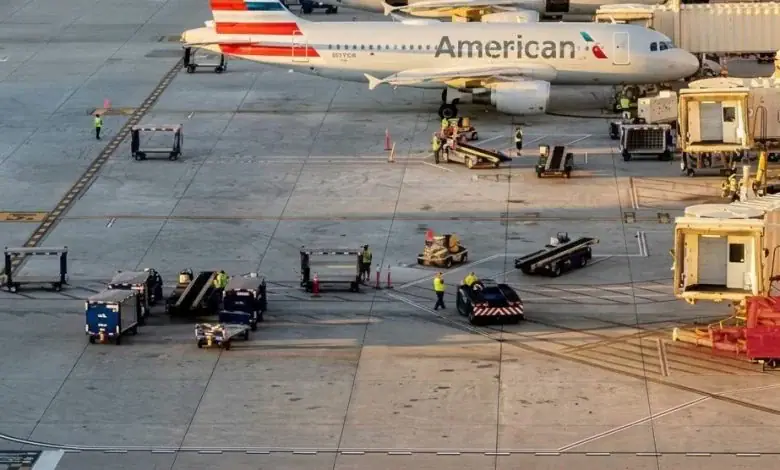
A significant disruption to air travel in the United States occurred on Friday, November 13, 2026, when the Federal Aviation Administration (FAA) ordered an immediate halt to all takeoffs nationwide. This rare event, only the second of its kind since the 9/11 attacks in 2001, was caused by a simultaneous failure of radar systems and communication frequencies at 22 regional air traffic control centers. As a result, no aircraft were allowed to depart for over four hours to avoid any risk of loss of contact in mid-air.
The outage had a substantial impact on air travel, with over 6,600 flights canceled and 8,600 others delayed, according to data from FlightRadar24. Additionally, FlightAware reported over 10,000 delays on the day. The disruption not only affected flights within the US but also impacted international connections with Canada, Mexico, and Europe. The FAA allowed around 3,100 aircraft already in flight to continue to their destinations and land safely.
US authorities quickly responded to speculation about the cause of the failure. Homeland Security Secretary Markwayne Mullin ruled out the possibility of a cyberattack and any connection to the previous day's global Microsoft services outage. Transportation Secretary Sean Duffy attributed the issue to outdated equipment and network architecture in air traffic control. The incident highlighted the vulnerability of critical infrastructure to technical failures.
The effects of the disruption were far-reaching, with tens of thousands of passengers affected. The FAA reopened US airspace on Friday evening at 20:15 Eastern Time, but airlines warned that it would take the entire weekend to return to normal. This comes just before the busy Thanksgiving travel period, which is expected to see a significant surge in air travel.
The incident is only the second nationwide grounding of flights since 2001, following a similar incident in January 2023. The FAA and airlines worked to mitigate the impact and provide support to affected passengers. The disruption serves as a reminder of the importance of maintaining and upgrading critical infrastructure to prevent such incidents.
The US Department of Transportation and the FAA are likely to face scrutiny over the incident, with questions raised about the age of air traffic control equipment and the potential for future disruptions. The incident may also lead to renewed calls for investment in modernizing air traffic control systems.
As the US air travel system returns to normal, passengers and airlines are dealing with the aftermath of the disruption. The incident highlights the need for robust and resilient critical infrastructure to support the country's air travel system, which is a vital part of the economy.
Key points
- The communication failure was caused by a simultaneous failure of radar systems and communication frequencies at 22 regional air traffic control centers.
- Over 6,600 flights were canceled and 8,600 others delayed due to the disruption.
- The incident serves as a reminder of the importance of maintaining and upgrading critical infrastructure to prevent such incidents.
Reporting sources
- une panne de communications cloue des milliers de vols au sol pendant plus de quatre heures · Le Quotidien de Nouakchott