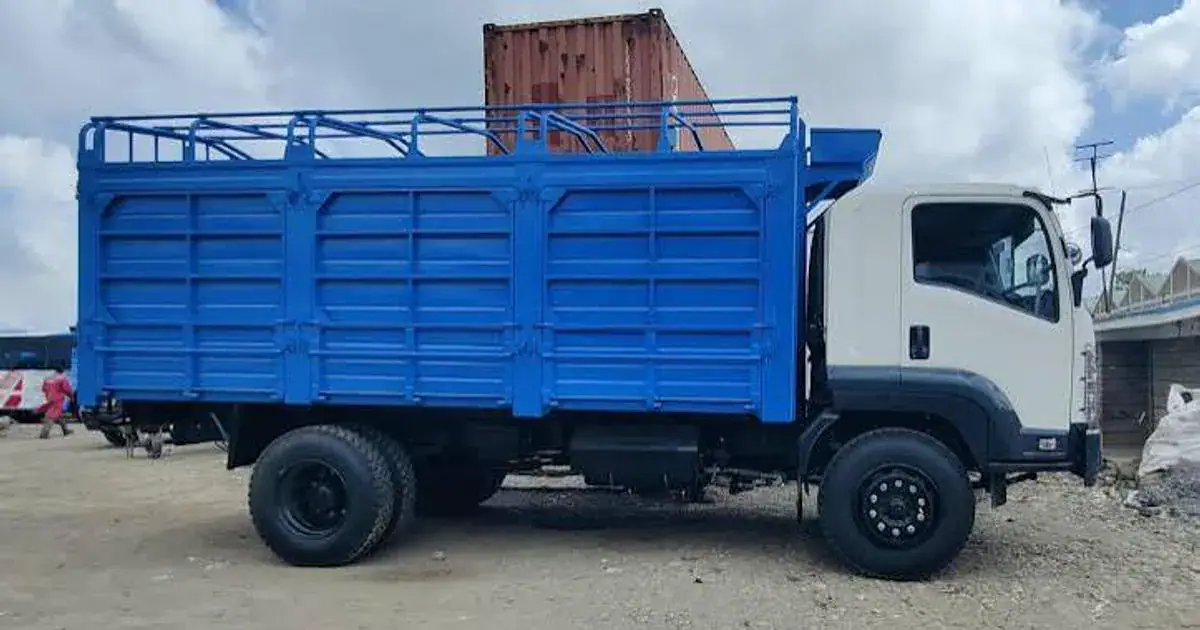
The Kenya National Highways Authority (KeNHA) has reported a significant increase in axle-load compliance across key transport corridors, with a compliance rate of over 99%. This improvement is attributed to enhanced monitoring, the use of automated weighbridges, and increased engagement with truck drivers, fleet owners, and cargo loaders. According to KeNHA, this development is a result of concerted efforts to regulate heavy trucks and prevent overloading.
KeNHA's latest update, as of November 12, 2026, highlights the improved compliance rates at various weighbridges, including Juja Weighbridge along Thika Road and Kanyonyo Weighbridge on the Thika-Garissa Road. At Juja, approximately 3,000 trucks are processed daily, with only five to ten reportedly found non-compliant. Similarly, Kanyonyo handles about 1,500 trucks daily, with an average of two overloaded vehicles detected.
To achieve this high level of compliance, KeNHA has not only relied on weighbridges but has also intensified sensitization efforts at quarries, industrial sites, and cargo-loading points. Transporters are advised on legal weight limits and proper load distribution before beginning their journeys. This proactive approach aims to prevent overloading by educating those involved in the transportation process.
In Kenya, the legal limit for a vehicle with up to seven axles is 56 metric tonnes, subject to the bridge formula on axle spacing. The axle-load limits are specified in the East African Community Vehicle Load Control Act, 2016, which provides maximum axle loads for different configurations. For instance, a single axle with two conventional tyres has a maximum limit of 8 tonnes, while a tridem axle with 12 conventional tyres can carry up to 24 tonnes.
KeNHA operates various forms of weighing infrastructure, including static weighbridges, virtual weighbridges using High-Speed Weigh-in-Motion technology, and mobile weighbridges. This combination of systems has expanded its ability to monitor trucks, including those using feeder roads and alternative routes. As a result, overloaded trucks are being identified and addressed more effectively.
When overloaded trucks are detected, transporters are responsible for applicable overloading fees. The vehicle must be offloaded or redistributed until it meets the prescribed limits, after which it is weighed again. The fee depends on the extent of the overload and the applicable axle and gross-weight schedules. Additionally, Section 58 of Kenya's Traffic Act provides for a court penalty of up to Sh400,000, imprisonment for up to two years, or both for offences involving overloading.
The strict regulations on truck weights are in place to prevent excessive pressure on road surfaces and bridges, which accelerates deterioration and increases public maintenance costs. Overloaded trucks also pose safety risks, as excess weight can affect braking, vehicle stability, tyre performance, and the ability to control a truck. Sustaining the high compliance rate requires reliable weighing equipment, consistent enforcement, and cooperation from those involved in loading, owning, and operating commercial vehicles.
Key points
- KeNHA reports 99% axle-load compliance on key transport corridors.
- Improved monitoring and cooperation with transporters have contributed to the high compliance rate.
- Kenya regulates both individual axle loads and gross vehicle weight, with strict penalties for overloading.