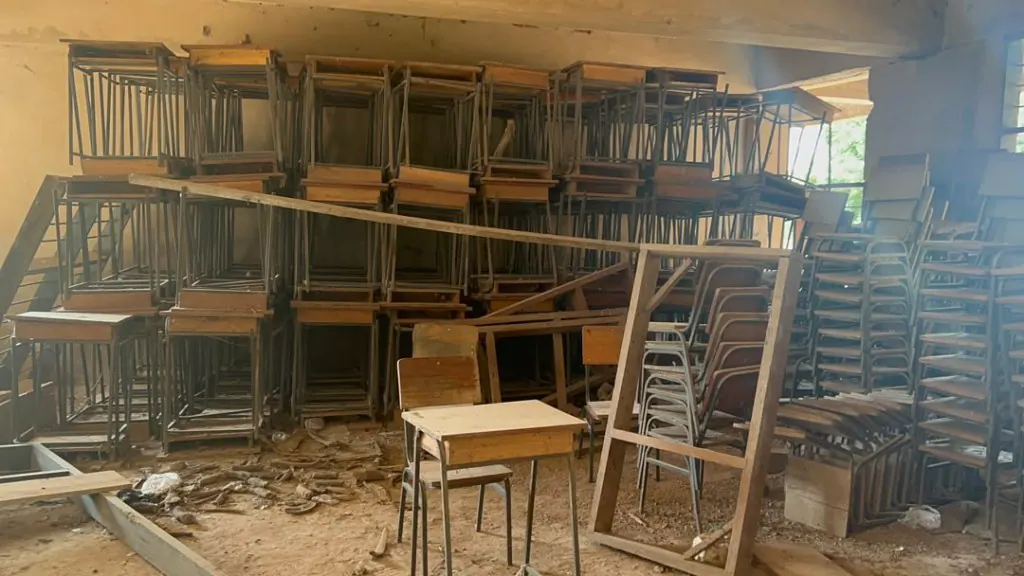
In the farming community of Anyima, Ghana, a half-built school block has stood untouched for a decade, its empty classrooms doubling as a graveyard for unused furniture. The Community Day Senior High School was launched in 2016 under the E-Blocks programme, a flagship school infrastructure initiative aimed at widening access to secondary education. Despite this, the building remains incomplete, roofless in sections, and with walls discoloured by years of exposure to rain. No student has ever enrolled there.
The school's unfinished state is particularly striking due to the thousands of wooden desks inside, delivered by the contractor during the early construction phase. These desks, bought with taxpayer money, are now cracking, dust-covered, and infested by termites. This waste is glaring given the conditions in nearby schools, where students are overcrowded and short of basic furniture, often sitting on floors or sharing desks kilometres away from the unused supplies in Anyima.
Construction on the Anyima E-Block began in 2016 after the National Democratic Congress rolled out the Community Day Senior High School programme. Contractors mobilised quickly, and foundations and walls went up before the December 2016 general election. However, when the NDC lost power to the New Patriotic Party, the project's political momentum faded, funding stalled, and contractors left the site.
The Anyima case is not isolated, with similar E-Blocks projects abandoned or stalled in various parts of Ghana due to political transitions, funding gaps, and contractual disputes. This has left unfinished buildings and idle resources scattered across the country. For families in Anyima and the surrounding Ampoma area, the stalled project means children continue to travel long distances to attend secondary school elsewhere.
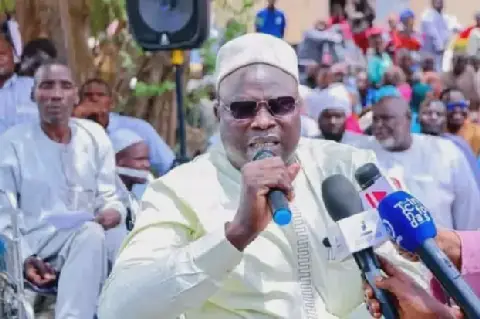
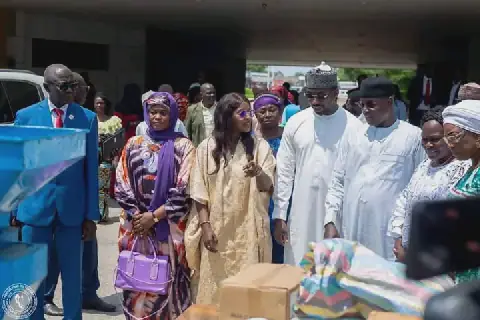
The Bono East Regional Minister, Francis Owusu Antwi, inspected the site and described the situation as a clear case of financial loss to the state. He said his office would write formally to the Ghana Education Trust Fund (GETFund) to seek approval to relocate the desks to schools where they are needed. A contractor has returned to the site, giving hope that the school could eventually be completed.
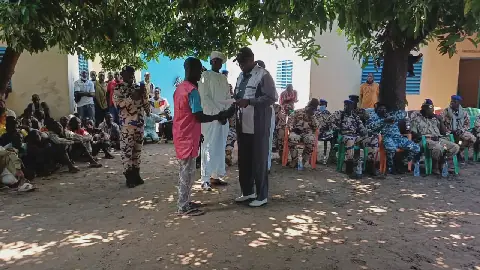
Residents expressed weariness after years of unmet promises, with one resident, Kwabena Adjei, saying the community had expected the school to change local children's lives but had instead been left waiting for a decade. The stalled project affects not only the community but also students in nearby overcrowded schools who lack adequate desks.
The situation highlights the need for effective management and completion of educational infrastructure projects in Ghana. The relocation of the desks and potential completion of the school would help address the needs of local students and alleviate overcrowding in nearby schools. The Ghana Education Trust Fund will play a crucial role in determining the future of the project.
Key points
- Thousands of wooden desks are cracking and termite-infested in an unfinished school building in Anyima, Ghana.
- The school project stalled due to political transitions and funding gaps, leaving unfinished buildings and idle resources across the country.
- The Bono East Regional Minister plans to relocate the desks to schools where they are needed, with a contractor returned to the site to potentially complete the school.