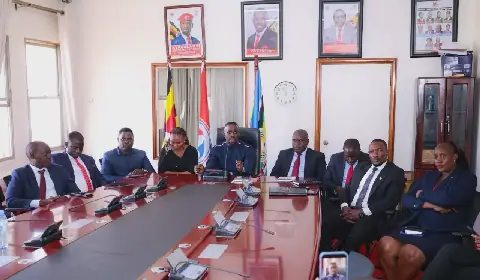
The Chadian Ministry of Women and Early Childhood launched a six-day training workshop in agroecology on September 28, 2026, for 250 former female genital mutilation practitioners. The program aims to provide these women with a legitimate and sustainable economic activity, helping them to move away from a practice that still affects over a third of the country's women. The launch ceremony took place at the National Women's House, attended by the Minister of Youth and Sports, Naïr Abakar, and the Secretary of State for Justice, Aminatou Bello.
The Minister of State for Women and Early Childhood emphasized that the fight against harmful practices towards women and girls is a collective responsibility and a priority for public action. She stressed that the goal is not only to ask these women to abandon the practice but also to provide them with the means to live differently. The Minister highlighted the severe physical and health consequences of female genital mutilation, including its impact on sexual and reproductive health, psychological well-being, and social life.
According to the Minister, the prevalence of female genital mutilation in Chad is estimated at 34.1%, indicating that despite progress, much work remains to be done. She called for determination, intelligence, proximity, and responsibility in the fight against this practice. The government, led by Prime Minister Allah Maye Halina, is using several instruments, including a roadmap for combating female genital mutilation and an ordinance on preventing and punishing violence against women and girls.
The training program, part of the SWEDD+ project, brings together 250 former practitioners from six provinces: Batha, Guéra, Mandoul, Ouaddaï, Salamat, and Tandjilé. The women were identified by provincial delegations of the Ministry, local authorities, and communities. The program combines technical modules, practical exercises, awareness-raising sessions, and evaluations to strengthen the economic autonomy of the beneficiaries and reduce their financial dependence on excision.
The training is divided into two sessions, with the first session bringing together 120 participants from Guéra, Mandoul, and Tandjilé. The second session will host women from Batha, Ouaddaï, and Salamat. Upon completing the training, each participant is expected to become an agent of change, capable of spreading a message of prevention within their communities.
The Chadian government has implemented various measures to combat female genital mutilation, including the development of a legal framework and the creation of a national committee to fight against the practice. The authorities hope that this training program will contribute to a significant reduction in the prevalence of female genital mutilation and promote a culture of respect for women's rights.
The program's success will depend on the commitment of the participants and the support of their communities. The government has expressed its willingness to continue supporting these women in their new roles as agents of change. Key points: - The program aims to provide a sustainable livelihood for 250 former female genital mutilation practitioners. - The training will help reduce the prevalence of female genital mutilation, estimated at 34.1% in Chad. - The program is part of a broader effort to promote women's rights and combat harmful practices in Chad.