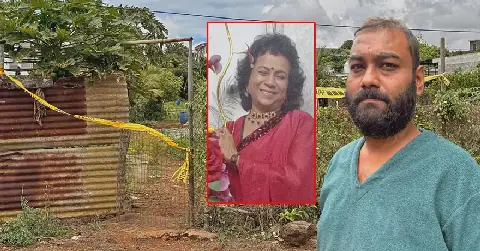
The Witness, a prominent publication in South Africa, has released its impact report, highlighting its relentless pursuit of promoting ethical journalism. One notable case that garnered attention was the discovery of a woman's body at an illegal dumping site in Copesville. Initially, the victim was misidentified by the wrong family as their daughter. However, after The Witness published reports on the identification, the woman believed to have been the victim saw the coverage on social media and contacted her relatives to inform them she was alive.
The Copesville case was part of The Witness' continued reporting on gender-based violence and the killing of women. The publication's coverage focused not only on individual cases but also on the wider concerns of families, activists, and communities calling for stronger action to protect women. The reporting highlighted the human cost behind the statistics, including families left grieving, children losing mothers, and communities repeatedly having to confront violent deaths. This coverage brought immense relief to one family, whose daughter was initially believed to be the victim but was later found to be alive.
The Witness also examined the impact of school violence on pupils, following a series of shootings involving KwaZulu-Natal pupils. University of KwaZulu-Natal clinical psychology lecturer Khanyisile Nene warned that exposure to shootings can leave pupils battling fear, trauma, poor concentration, and anxiety about returning to school. The reporting moved beyond the immediate crime scenes to examine how repeated violence affects pupils, families, and entire school communities. This coverage highlighted concerns from parents about children's safety beyond the school gate and the wider responsibility of communities and authorities to protect them.
In addition to its reporting on social issues, The Witness also covered eThekwini Municipality's severe water losses, which placed basic service delivery and the management of public resources under scrutiny. The metro recorded non-revenue water of 58.7%, raising renewed concern about ageing infrastructure, leaks, and the broader management of water and wastewater systems. The Witness highlighted concerns around underspending, poor audit outcomes, and the environmental consequences of failing infrastructure.
The Witness provided a platform for pupils to discuss issues directly affecting young people at the Gandhi Youth Symposium in Pietermaritzburg. The symposium brought together pupils from eight schools to tackle bullying in the digital age, school violence, mental and physical wellbeing, conflict resolution, leadership, education, careers, and entrepreneurship. This event demonstrated The Witness' commitment to highlighting the concerns and voices of young people in South Africa.
The Witness' reporting on various issues has driven action and accountability. Its coverage of the Copesville case and school violence has brought attention to the need for stronger action to protect women and children. The publication's examination of eThekwini Municipality's water losses has raised concerns about the management of public resources and the need for improved infrastructure.
Overall, The Witness' impact report showcases its dedication to promoting ethical journalism and highlighting important issues in South Africa. Through its reporting, the publication has brought relief, closure, and accountability on various issues, demonstrating its commitment to serving the public interest.
Key points
- The Witness' reporting highlighted the human cost behind statistics on gender-based violence and school violence.
- The publication's coverage of eThekwini Municipality's water losses raised concerns about ageing infrastructure and the management of public resources.
- The Gandhi Youth Symposium provided a platform for pupils to discuss issues directly affecting young people in South Africa.