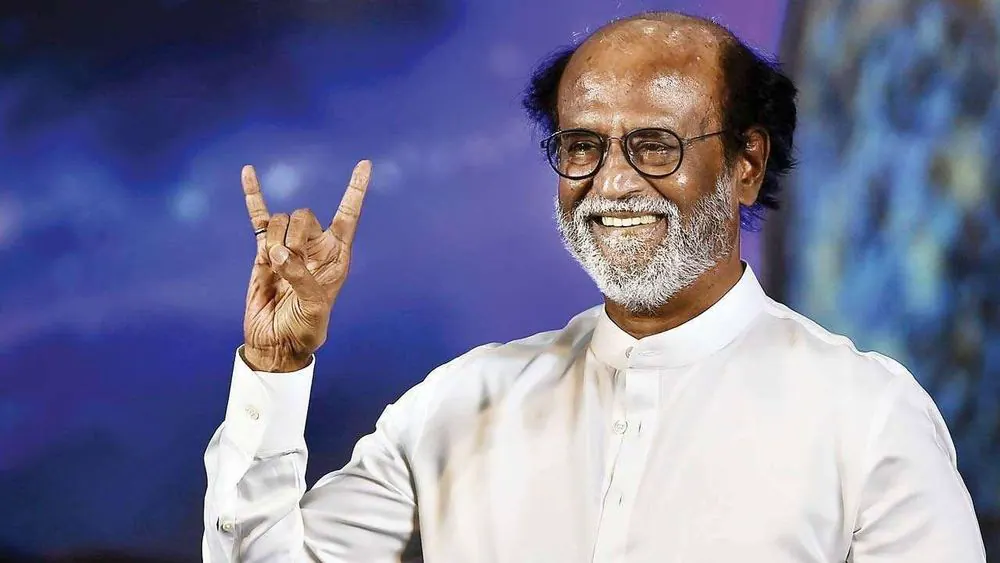
In Indian cinema, a major portion of an actor's career can be made or broken by their head of hair. The glamorous and high-stakes industry expects stars to remain perpetually youthful, with biology being a relentless equalizer. Hair loss, receding hairlines, and thinning strands affect actors just like anyone else. To combat this, Indian cinema has a long and fascinating history with hairpieces, custom toupees, surgical hair transplants, and heavy cosmetic styling.
For decades, male pattern baldness was a career hurdle for leading men, often restricting them to character roles or villainous parts. However, technological and medical advancements have revolutionized how stars manage hair loss. The transition has moved from crude theatrical hairpieces and glued lace fronts to sophisticated surgical procedures like Follicular Unit Extraction and advanced hair systems that look entirely natural under harsh studio lighting.
Bollywood superstar Amitabh Bachchan faced noticeable hair thinning by the mid-1990s. During a time when his career experienced several ups and downs, rumours frequently swirled about his changing hairlines and reliance on custom hairpieces for both cinema and public appearances. Bachchan transitioned to television with the game show Kaun Banega Crorepati in 2000, debuting a remarkably refreshed, age-appropriate, and dense head of hair.
Industry insiders and medical circles widely noted that Bachchan underwent a successful hair restoration procedure. This move not only restored his iconic on-screen aura but also helped normalize discussions around male grooming and hair preservation in India. Bachchan has frequently spoken about accepting the realities of growing older under the public microscope, noting that the spirit of giving your best to the camera remains identical to day one.
In South Indian cinema, superstar Rajinikanth enjoys a God-like status where his mere appearance on screen can spark celebrations. For a major portion of his career, Rajinikanth has been open and unfazed about his natural receding hairline, often sporting his sparse hair or bald patch with absolute nonchalance in real life. However, cinema magic requires a different standard, and Rajinikanth relied on his natural hair enhanced with strategic patches until around 2005.
Following 2005, specialized high-end wigs and hair systems were flown in from abroad and utilized to craft Rajinikanth's youthful, high-energy cinematic avatars. Rajinikanth's ability to switch effortlessly between his authentic, ageing appearance off-screen and his stylized persona on-screen remains a masterclass in star management. He has often laughed off the vanity associated with stardom, stating that what you see on screen is cinema, and what you see here is just him.
While many stars turned to surgical transplants or hair systems, veteran music composer and singer Anu Malik took a different route. Dealing with progressive hair thinning, Malik bypassed the pressure to wear conspicuous wigs or undergo grafting, instead turning caps and hats into his signature personal style. His choice stands as a rare example of authenticity in an industry obsessed with cosmetic perfection, with Malik noting that his music spoke louder than any hairline ever could.
Key points
- Indian cinema's stars rely on hairpieces, custom toupees, and surgical hair transplants to maintain youthful looks.
- Bollywood superstar Amitabh Bachchan underwent a successful hair restoration procedure to restore his iconic on-screen aura.
- Actresses in Indian cinema frequently use hair extensions, clip-in volume boosters, and partial lace wigs as a versatile styling tool.