In a world where politics and policymaking often intersect, a recent conversation with a senior government adviser highlighted the challenges of navigating the complexities of the Trump administration. The adviser sought guidance on how to respond to the unpredictable nature of US politics, sparking a reflection on the nature of "wicked problems" that require imperfect, risk-mitigation responses rather than definitive solutions. This concept was first explored in a consulting project involving a major mining company in South Africa's Limpopo province.
The mining company faced significant political risk in the Eastern Limb of the Bushveld Igneous Complex as the EFF rose to prominence ahead of the 2019 election. The consultant, Richard Calland, found himself short on ideas and initially considered resigning the assignment. However, a moment of clarity in Midrand led him to advise the client to focus on identifying, quantifying, and reducing risks rather than seeking a single solution. This approach was met with enthusiasm from the mining company executives, who appreciated the independent advice and found it reassuring.
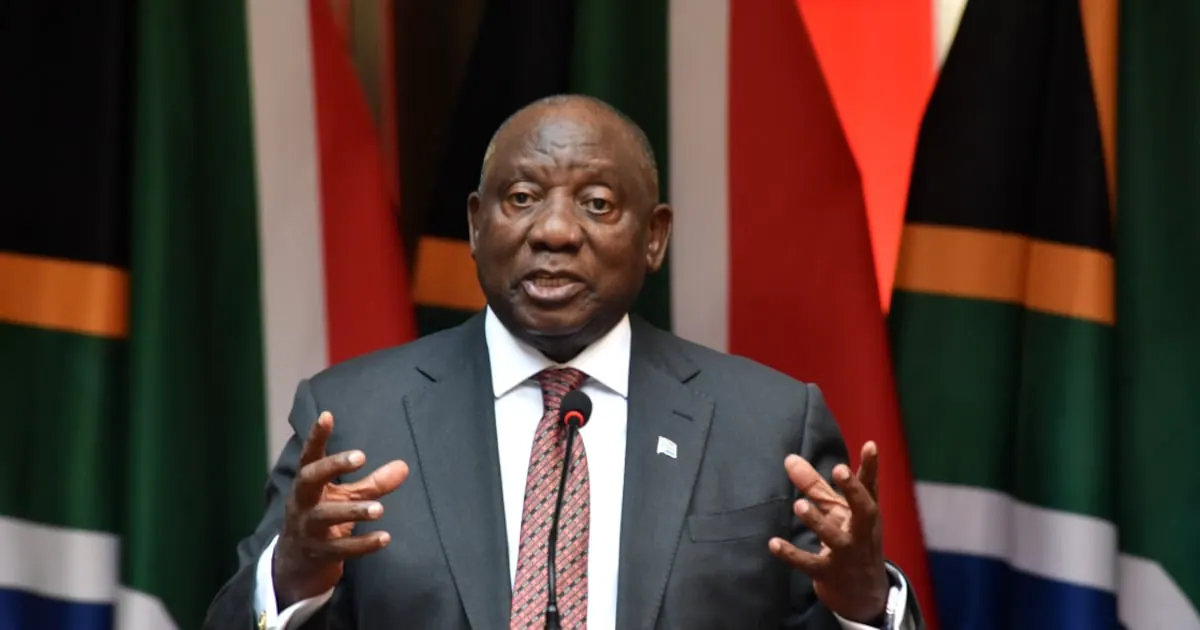
A similar approach is being applied to Operation Vulindlela, a key initiative led by President Cyril Ramaphosa to drive change in South Africa. The operation has garnered support from both the ANC and DA, and its steady, corporatist approach matches the temperament and tempo of the president. By harnessing public and private sector capability, Operation Vulindlela is making a mark and addressing tough, intransient challenges. However, its success is largely due to the efforts of unsung heroes who work behind the scenes.
These individuals, who navigate the complexities of delivery, rely heavily on Ramaphosa's patronage and are likely to be impacted when he eventually leaves office. The operation's vital political cover and investment of political capital by Ramaphosa are crucial to its success. Nevertheless, the supporting cast, including policy advisers and experts, plays a critical role in driving change and should not be underestimated.
As a partner at The Paternoster Group and visiting adjunct professor at the Wits School of Governance, Calland has a deep understanding of the intricacies of politics and policymaking. His experience with Operation Vulindlela and other initiatives has shown him the importance of collaboration and risk mitigation in driving meaningful change. The operation's impact will likely be felt for years to come, even if its name does not become a household phrase.
The conversation with the senior government adviser highlighted the importance of measured and thoughtful leadership in navigating complex challenges. The adviser, who is known for being level-headed and not prone to emotional outbursts, is well-equipped to deal with unpredictable leaders like US President Donald Trump. This approach will be essential for future leaders and policymakers as they navigate an increasingly complex world.
As the landscape of South African politics continues to evolve, the impact of Operation Vulindlela and the individuals who drive it will be closely watched. While the big political names often dominate the headlines, the supporting cast plays a vital role in shaping the country's future. The legacy of Operation Vulindlela and its contributors will be an important part of South Africa's governance machinery.
Key points
- Operation Vulindlela's success relies on the efforts of unsung heroes who work behind the scenes.
- The operation's approach focuses on harnessing public and private sector capability to address tough challenges.
- The changing of the guard in South African politics will likely impact Operation Vulindlela and its contributors.