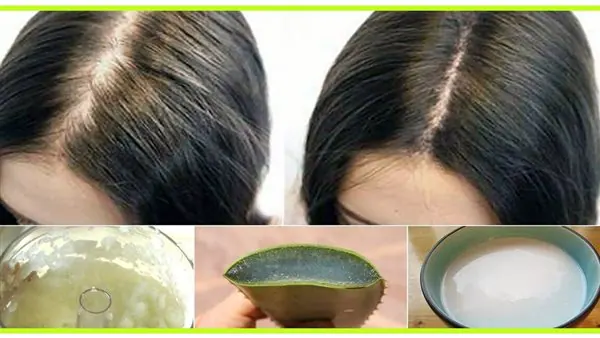
In Egypt, individuals with thin hair often look for gentle and regular care to maintain its health. Harsh treatments, excessive heat styling, and heavy product use can exacerbate thinness. While natural remedies cannot change the number of hair follicles or treat underlying medical conditions, some ingredients can help moisturize hair and scalp, reducing dryness and breakage. Understanding the cause of thin hair is crucial, as it may be linked to genetics, hormonal changes, nutritional deficiencies, stress, or scalp issues.
Aloe vera gel is a lightweight, natural ingredient suitable for thin hair care. It can be applied directly to the scalp and hair, gently massaged for a minute or two, and left on for 20-30 minutes before rinsing with a mild shampoo and lukewarm water. This remedy can be repeated weekly, but users should discontinue if irritation occurs. Another option is coconut oil, which can be warmed and applied to the hair ends to combat dryness and protect against damage.
Yogurt masks can also benefit thin, dry hair by providing temporary moisture and softness. A mixture of plain yogurt and aloe vera gel can be applied to the hair lengths and ends, left on for 15-20 minutes, and then rinsed with lukewarm water and shampoo. Egg masks, rich in protein, can help improve hair texture and appearance. Beaten eggs can be applied to the hair, left on for 10-15 minutes, and rinsed with lukewarm or cool water.
Jojoba oil scalp massages can be a soothing addition to thin hair care. A few drops of jojoba oil can be warmed between the fingers and gently massaged into the scalp in circular motions for 3-5 minutes. The oil can be left on for 20 minutes before rinsing. Rice water, commonly used in traditional hair care routines, may improve hair texture, although scientific evidence is limited.
In addition to natural remedies, adopting gentle hair care habits is essential for thin hair. Avoiding excessive heat styling, harsh chemical treatments, and tight hairstyles can help minimize breakage. Choosing a mild shampoo suitable for the scalp type and reducing friction during washing and drying can also help.
A balanced diet rich in essential nutrients, including protein, iron, zinc, and other vitamins and minerals, supports hair health. While dietary supplements may be recommended for specific deficiencies, it is crucial to consult a healthcare professional before taking them. If thin hair is accompanied by excessive shedding, itching, or scalp inflammation, seeking medical evaluation can help identify underlying causes.
By incorporating natural remedies and gentle care habits, individuals with thin hair can achieve a healthier appearance. Maintaining a balanced diet, reducing damage, and using suitable products can help preserve existing hair and promote a more vibrant look. Key points to consider include using gentle, natural ingredients, adopting a balanced diet, and avoiding harsh treatments.