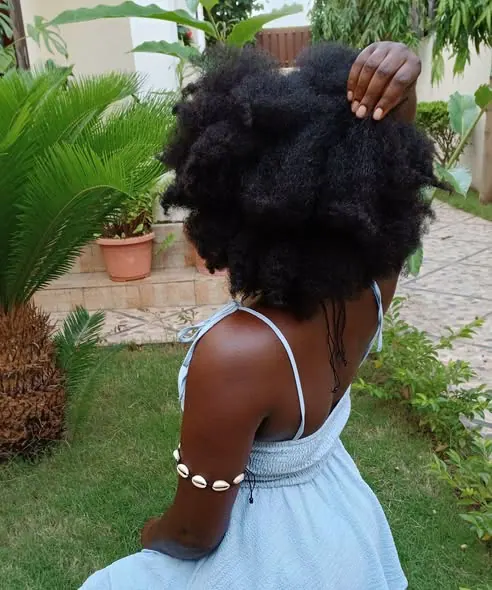
The controversy surrounding a Cameroonian school's strict hair policy has reignited discussions on identity, culture, and beauty standards in Africa. The policy, which mandates students to have hair no longer than one centimeter, has sparked debate on the need for schools to dictate students' hairstyles. Critics argue that such policies are a relic of colonial-era norms, where conformity was prized over individuality. This debate highlights the complex and often fraught relationship between African identity, culture, and beauty standards.
The issue of regulating students' hairstyles is not unique to Cameroon. Many African countries, including Côte d'Ivoire, Ghana, Nigeria, and Uganda, have similar policies in place. These policies often reflect a broader cultural narrative that associates conformity with discipline and respectability. However, this narrative has been challenged by many young Africans who argue that their natural hair textures and styles are an integral part of their identity and cultural heritage.
The obsession with regulating students' hairstyles has its roots in colonial-era norms, where European standards of beauty and behavior were imposed on African societies. This legacy continues to influence African cultural and social institutions, including schools. The emphasis on conformity and uniformity has led to a culture of exclusion, where students who do not conform to these standards are often stigmatized or penalized.
The debate on hair policies in African schools highlights a broader issue of cultural identity and self-acceptance. Many young Africans are reclaiming their natural hair textures and styles as a symbol of pride and cultural heritage. However, this movement is often at odds with the entrenched cultural norms and standards that prioritize conformity over individuality. As Africa continues to evolve and assert its cultural identity, it is essential to reexamine these norms and standards.
The issue of hair policies in African schools also raises questions about the role of institutions in shaping cultural norms and standards. Schools, in particular, have a significant influence on young people's perceptions of identity, culture, and beauty. By promoting inclusive and accepting policies, schools can help foster a culture of self-acceptance and self-love among young Africans.
The controversy surrounding hair policies in African schools has sparked a necessary conversation about the need for cultural sensitivity and awareness. It highlights the importance of recognizing and valuing Africa's diverse cultural heritage, including its beauty standards and traditions. By engaging in this conversation, Africans can begin to challenge and redefine the cultural norms and standards that have been imposed upon them.
Ultimately, the debate on hair policies in African schools is about more than just hairstyles; it is about the very notion of identity, culture, and beauty. As Africa continues to evolve and assert its cultural identity, it is essential to prioritize inclusivity, diversity, and self-acceptance. By doing so, Africans can create a more accepting and empowering cultural narrative that celebrates the diversity of African experiences and beauty standards.
Key points
- A Cameroonian school's strict hair policy has sparked debate on identity, culture, and beauty standards in Africa.
- The issue of regulating students' hairstyles reflects a broader cultural narrative that associates conformity with discipline and respectability.
- The debate on hair policies in African schools highlights a broader issue of cultural identity and self-acceptance.