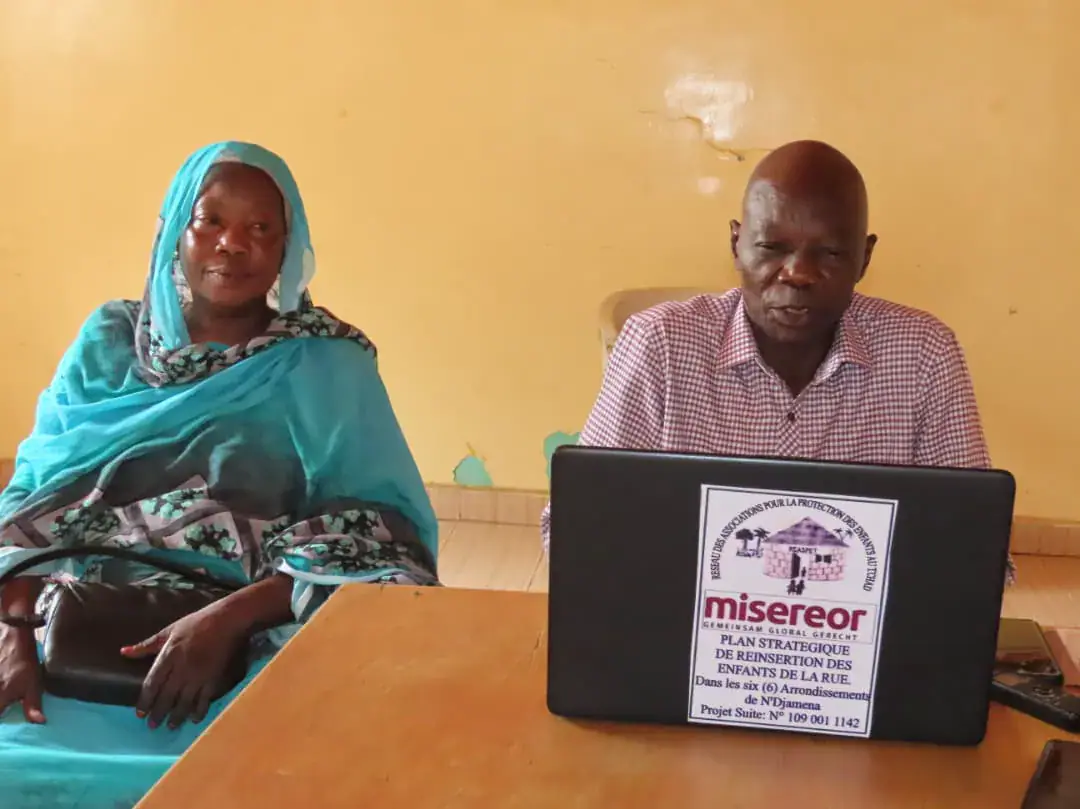
The Réseau des associations pour la protection des enfants au Tchad (REASPET) has expressed deep concern over the rapid evolution and spread of dengue fever in Chad. According to a communiqué, the network has been following with great interest the recent media statements made by the Prime Minister and the Minister of Public Health and Prevention regarding the outbreak. Despite these efforts, the situation on the ground remains alarming and dramatic, with the population in a state of total despair.
REASPET is particularly worried about the vulnerability of children to the disease, which constitutes a primary concern. The network notes that the epidemic continues to claim lives at an alarming rate, raising questions about the fate of children in the midst of this crisis. The situation is described as catastrophic, worsening daily, and REASPET is calling for immediate action to mitigate the spread of the disease.
In response to the crisis, REASPET has formulated several recommendations for the government. These include intensifying anti-vector control measures by decentralizing spraying operations to communes, neighborhoods, and districts. The network also suggests declaring a national hygiene and sanitation week across the country and establishing a monitoring committee to ensure the implementation of the Prime Minister's decision to provide free care to those affected by dengue fever.
Additionally, REASPET recommends mobilizing community involvement by engaging all sectors to make prevention a daily behavior in living environments. The network also proposes conducting an evaluation of the epidemiological situation of dengue fever with a view to a possible vaccination campaign against the disease. These measures aim to reassure the population that the government is taking concrete steps to address the crisis.
REASPET has also reached out to partners, recommending that they ensure the provision of necessary products for urgent clinical care to enable hospital emergency services to cope with the influx of patients. The network urges partners to support community sanitation campaigns, empowering the population to take ownership of the fight against dengue fever.
For parents, REASPET advises taking preventive measures against mosquito bites by maintaining a clean environment, conducting cleanliness operations, clearing gutters, and destroying unused objects that could serve as mosquito breeding sites. By taking these steps, parents can help reduce the risk of dengue fever transmission in their communities.
Finally, REASPET is calling for a national response to the crisis, emphasizing that the fight against dengue fever must involve every Chadian. The network believes that collective action is essential to addressing the outbreak and mitigating its impact on the population, particularly the most vulnerable. By working together, it is hoped that the spread of dengue fever can be brought under control.
Key points
- REASPET recommends intensifying anti-vector control measures and community involvement to combat the dengue fever outbreak.