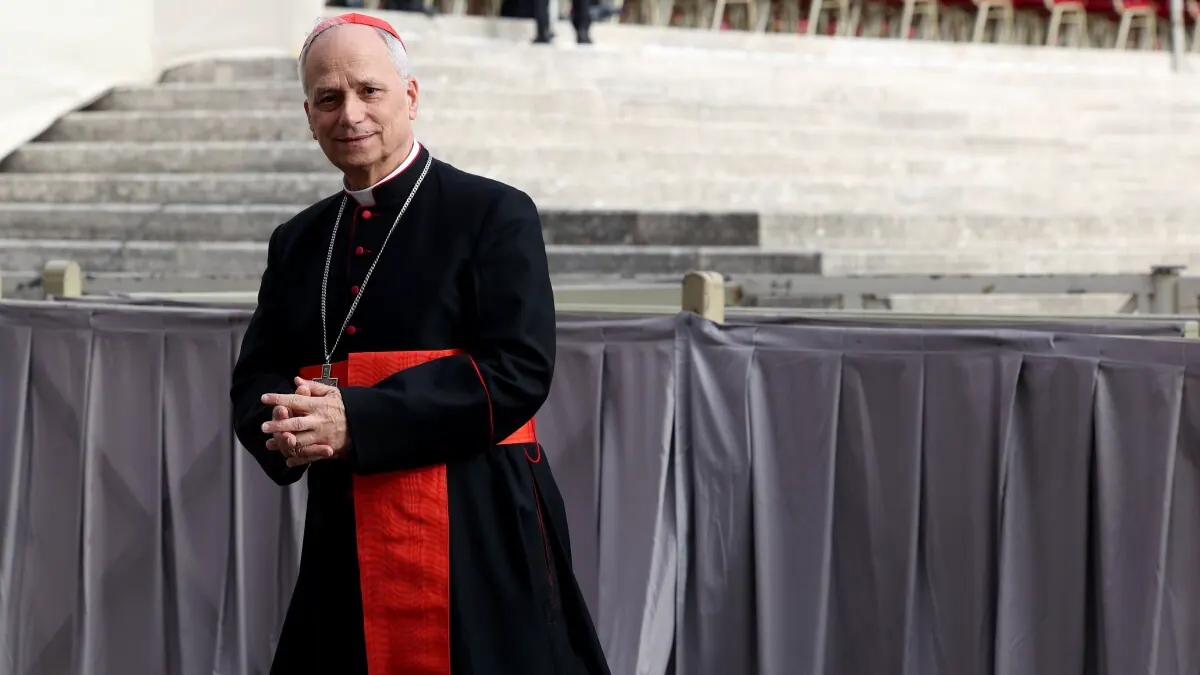
In the days following Pope Francis' death, messages of condolence poured into Cardinal Robert Prevost's phone from friends and acquaintances around the world. Among those who reached out were Father Ramiro Castillo Castro, who had studied under Prevost in the 1990s, and John Snider, a Lutheran pastor with whom Prevost had spent a summer in Minneapolis debating theology and learning how to minister to the sick and dying. These messages reflected the high esteem in which Prevost was held by his peers.
Despite the outpouring of support, Prevost was not initially considered a top contender to become the next pope, largely due to his American nationality. The conventional wisdom was that an American would never be elected pope, given the country's significant influence over world events. This view was reinforced by the political climate in the United States at the time, with President Trump having returned to power and asserting his "America First" agenda.
Prevost's friend, John Barry, was one of the few people who dared to suggest that he could be the next pope. Barry wrote to Prevost, expressing his admiration for his friend's compassion, kind heart, and holiness. While Prevost appreciated the sentiment, he remained humble and focused on the electoral process. In a lighthearted response, he joked that Barry could still email him, even if he did become pope.
As cardinals from around the world gathered in Rome to mourn Francis and begin the process of electing the next pope, Cardinal Blase Cupich of Chicago expressed skepticism about the prospects of an American pope. Cupich noted that the country already had too much influence over world events, making it unlikely that a cardinal from the United States would be elected. However, as Sister Thérèse DelGenio pointed out, Prevost's friends and allies were not deterred by such doubts.
One of the most high-profile cardinals in the US, New York Archbishop Timothy Dolan, was also in Rome for the conclave. While Dolan was well-known for his jovial personality and seniority, he had not previously considered Prevost as a contender. In fact, when asked about Prevost by other cardinals, Dolan was taken aback, having never met the man. He quickly sought out Prevost and introduced himself, noticing that he was not working the room like some of the other cardinals.
The General Congregation meetings, which began the day after Francis' death, provided a forum for cardinals to discuss the state of the church and the priorities of its next leader. These daily meetings, often lasting for hours, allowed the cardinals to get to know one another and share their perspectives on the church's future. As the conclave progressed, Prevost's reputation as a compassionate and thoughtful leader began to resonate with his peers.
Ultimately, Cardinal Robert Prevost was elected Pope Leo XIV, marking a significant departure from the conventional wisdom that had doubted an American pope. His rise to the papacy was a testament to the Holy Spirit's role in the electoral process, as Sister Thérèse DelGenio had noted. As Pope Leo XIV, Prevost would go on to lead the Catholic Church with a unique perspective shaped by his American background and his experiences as a cardinal.
Key points
- Cardinal Robert Prevost's election as Pope Leo XIV defied conventional wisdom that an American would never become pope.
- Prevost's reputation as a compassionate and thoughtful leader resonated with his peers during the conclave.
- The General Congregation meetings provided a forum for cardinals to discuss the state of the church and the priorities of its next leader.