The Kwilu region in the Democratic Republic of Congo has a rich and complex history marked by power struggles, resistance, and intellectual movements. This area has been a stronghold for various political and tribal affiliations, earning it a reputation as a land of power for Mama Kongo and a hub for resistance. The region's history is intertwined with key figures in Congolese politics, including Pierre Mulele, who led the Kwilu rebellion against the government of Joseph-Désiré Mobutu.
Pierre Mulele, a minister in Patrice Lumumba's government, chose to go into hiding and launch an armed struggle after Lumumba's assassination in 1961. Mulele's rebellion, known as the Simba or Kwilu rebellion, began in 1963. He recruited peasants and young people, implementing a strict code of conduct inspired by Maoism to overthrow the central government. The rebellion was eventually crushed by Mobutu's army, which received logistical support from Belgium and the United States.
In 1968, Mobutu's regime offered a general amnesty to encourage Mulele to return to the country. Justin Bomboko Lokumba Is'Elenge, a former colleague of Mulele's in Lumumba's government and a key figure in Mobutu's regime, was sent to Brazzaville to convince Mulele to return. Mulele, trusting the promise of amnesty, crossed back into the Democratic Republic of Congo with Bomboko. However, upon his arrival in Kinshasa, Mulele was arrested, tortured, and brutally assassinated at the Kokolo military camp.
The circumstances of Mulele's death remain a subject of controversy, with Bomboko maintaining that he was deceived by Mobutu. Many historians and associates of Mulele, however, hold Bomboko responsible for Mulele's betrayal and tragic end. Mulele's death marked the end of a significant chapter in the Kwilu region's history of resistance.
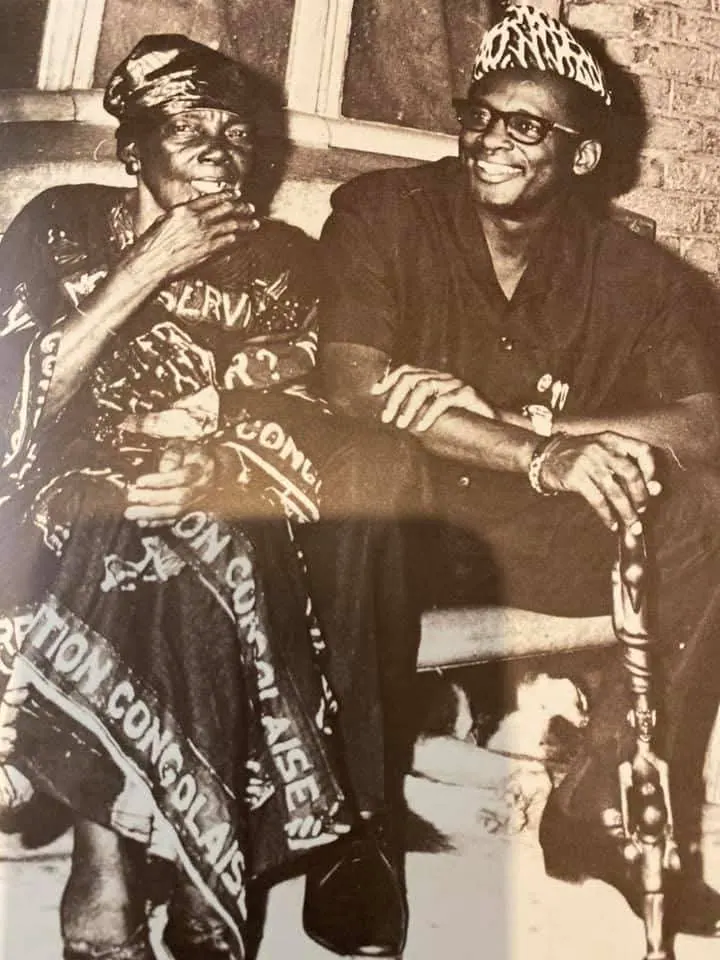
Another significant figure in Congolese history is Mama Madeleine Yemo, Mobutu's mother. According to her biography, she was born in 1922, but this date has been disputed. Yemo played a crucial role in Mobutu's life, serving as the guardian of his Nzungu Ya Mpungu. She was sent to Kikwit in the Kwilu region to search for Koko Kuku Pemba, a symbol of power in the area.
The Kwilu region continues to experience turmoil, with recent events including a torrential rainstorm in Kikwit that caused loss of life and damage to infrastructure. The region's history of power struggles and resistance remains relevant, with local populations resisting external influences and asserting their cultural identity.
Today, Pierre Mulele is remembered as a martyr of Congolese independence and resistance against neocolonialism. His legacy serves as a reminder of the complex and often tumultuous history of the Kwilu region and the Democratic Republic of Congo as a whole.
Key points
- The Kwilu region has a long history of resistance and power struggles, marked by significant events such as the Kwilu rebellion led by Pierre Mulele.
- Pierre Mulele's assassination in 1968 was a result of a betrayal involving Justin Bomboko Lokumba Is'Elenge, who had convinced him to return to the country under a promise of amnesty.
- The region continues to face challenges, including natural disasters and struggles for power and identity.