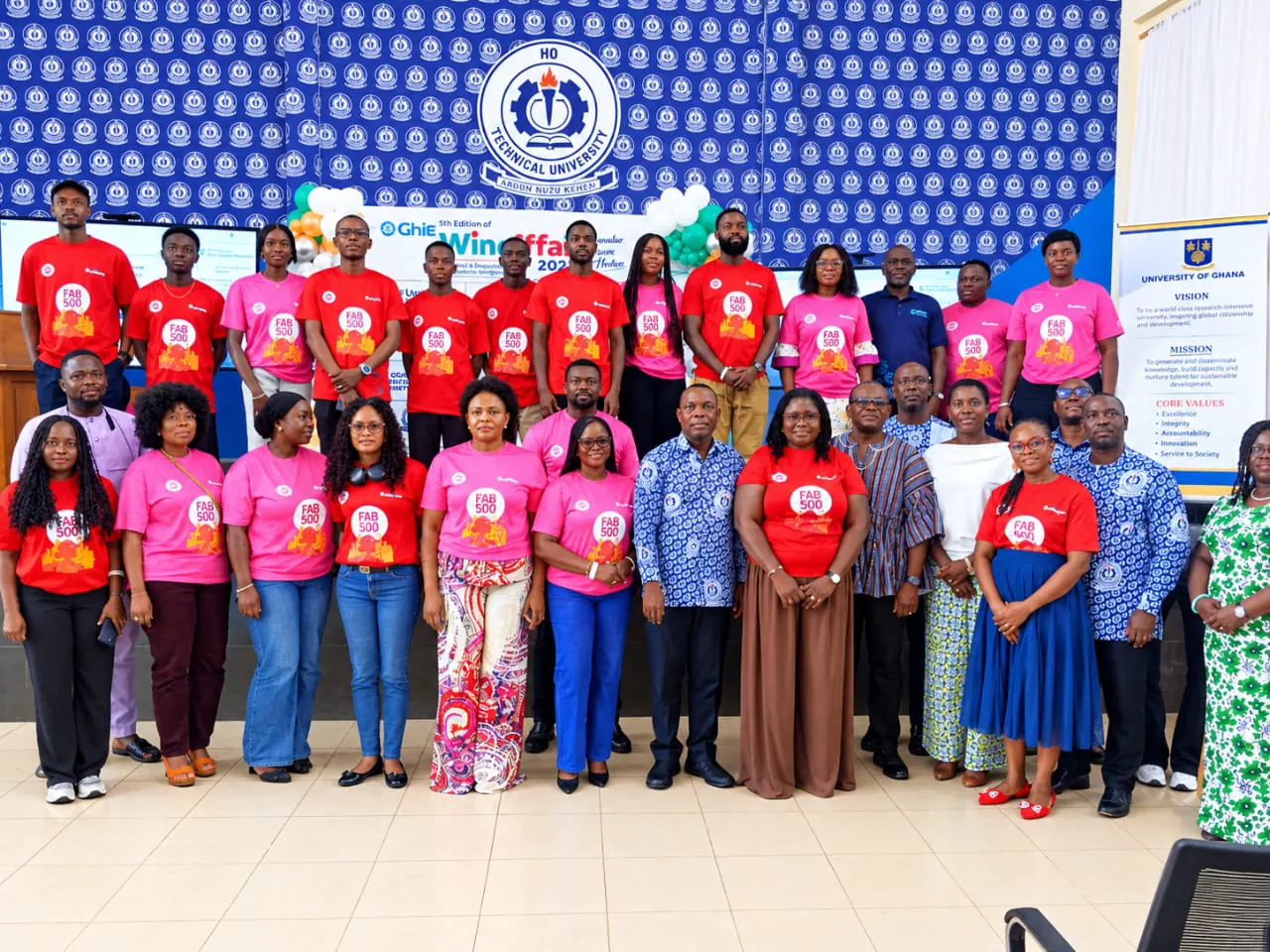
Women in Engineering Ghana (WinE Ghana) has organised its fifth WinEAffair programme, bringing together students from 20 universities across Ghana. The event, held at the Ho Technical University, aimed to promote female participation in engineering innovation, entrepreneurship, and professional development. The programme's theme was "Engineering a Sustainable Future: Women Leading the Way." This initiative provided a platform for female engineering students to apply technical knowledge to practical societal challenges.
The programme encouraged participants to identify problems within their communities, develop creative solutions, and present prototypes for assessment by judges. Three winning teams were recognised for their innovative solutions. According to Ms Naki Tetteh-Anowie, Chairperson of WinE Ghana, the programme's goal was to provide a platform for female engineering students to apply technical knowledge to practical societal challenges through innovation, prototype development, and competition.
The programme incorporated mentoring, career talks, and professional development sessions to expose participants to industry experiences and equip them with the confidence and skills to thrive in their chosen fields. Ms Tetteh-Anowie emphasised that WinE Ghana was not intended to exclude men from engineering but to encourage more women to enter the Science, Technology, Engineering, and Mathematics (STEM) fields, where female participation had historically been low.
Ms Tetteh-Anowie urged females in Senior High School and prospective tertiary students to consider engineering, describing it as the practical application of scientific principles to everyday problems. She also emphasised the importance of men as allies in the engineering field, encouraging them to work together with women to promote sustainable development.
Ms Alberta Amankwa, WinE Ghana Executive Lead for Mentoring, Coaching, and Education, described WinEAffair as an inter-university engineering innovation and networking initiative. The programme aimed to strengthen students' technical skills, confidence, creativity, and collaboration. This year's edition involved 20 universities, with participating students expected to develop solutions to environmental and other societal challenges.
The initiative has created opportunities for students to commercialise their innovations, rather than leaving them unused after competitions. Ms Amankwa noted that the Ghana Institution of Engineering had supported the initiative, and projects from the previous edition were presented at its engineering conference, attracting interest from industry players and individuals. Some projects have been upscaled and commercialised.
A professional development session emphasised that engineering leadership went beyond holding formal titles, urging young engineers to build technical competence, take responsibility, communicate ideas effectively, and earn the confidence of colleagues through sound professional judgement. The fifth edition of WinEAffair is expected to provide a platform for female engineering students to demonstrate their capabilities, strengthen professional networks, and explore pathways to entrepreneurship and sustainable development.
Key points
- WinE Ghana's fifth WinEAffair programme brought together students from 20 universities to promote female participation in engineering innovation and entrepreneurship.
- The programme provided a platform for female engineering students to apply technical knowledge to practical societal challenges through innovation, prototype development, and competition.
- The initiative has created opportunities for students to commercialise their innovations, rather than leaving them unused after competitions.