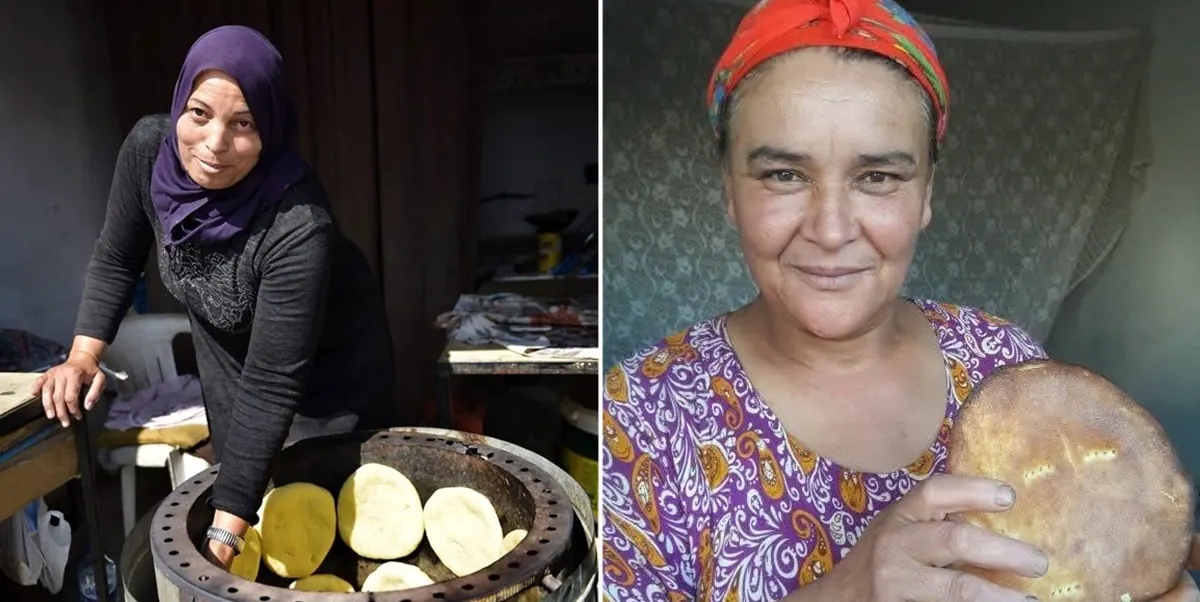
In the heart of Tunisia, there exists a culinary treasure that has been a staple for generations - the tabouna bread. This traditional bread, often associated with rural areas, has a rich history that spans across the country, from the north to the south. Its unique flavor and texture have made it an integral part of Tunisian cuisine, with a presence that is deeply ingrained in the country's culture. The tabouna bread is often cooked in a conical clay oven, giving it a distinct taste that is both rustic and inviting.
The tabouna bread is more than just a staple food; it is a symbol of Tunisian heritage and identity. Its significance extends beyond the realm of cuisine, representing a connection to the country's past and its traditions. The bread is often served with olive oil, honey, and olives, which are staples in Tunisian cuisine. This simple yet satisfying combination is a common sight in rural areas, where the bread is often used as a utensil to scoop up olive oil and other accompaniments.
The popularity of tabouna bread is evident in its widespread availability across Tunisia. It can be found in markets, along roadsides, and even in upscale bakeries. The bread's appeal lies in its unique flavor, which is both earthy and slightly sweet. Its texture, often described as rustic and dense, adds to its charm, making it a favorite among locals and visitors alike. Whether served as a snack or as part of a meal, the tabouna bread is a culinary delight that is hard to resist.
The history of tabouna bread dates back to ancient times, with its origins rooted in rural Tunisia. The bread has been a staple in the country's cuisine for generations, with its production methods and recipes passed down through the years. The traditional conical clay oven, used to cook the bread, is an integral part of the process, giving the bread its distinctive flavor and texture. Efforts to preserve this traditional bread-making technique have been underway, with initiatives aimed at promoting and supporting local bakers.
In recent years, there has been a renewed interest in traditional Tunisian cuisine, with the tabouna bread being at the forefront of this movement. Lady Tabouna, a local initiative, has been working to promote and support traditional bakers, particularly women, who have been instrumental in preserving the country's culinary heritage. By providing training and resources, these initiatives aim to ensure the continuation of traditional bread-making techniques and promote the tabouna bread as a symbol of Tunisian culture.
The significance of tabouna bread extends beyond its culinary appeal, representing a connection to Tunisia's cultural heritage. Its presence in everyday life is a testament to the country's rich history and traditions. As a staple food, the tabouna bread has played a significant role in shaping the country's cuisine, with its influence evident in many traditional dishes. Efforts to preserve and promote this traditional bread are essential in ensuring the continuation of Tunisia's culinary heritage.
As Tunisia continues to evolve and modernize, its culinary heritage remains an essential part of its identity. The tabouna bread, with its unique flavor and cultural significance, is a symbol of the country's rich history and traditions. Its continued popularity is a testament to the enduring appeal of traditional cuisine, with the bread remaining an integral part of Tunisian life. Whether served as a snack or as part of a meal, the tabouna bread is a culinary delight that continues to captivate audiences, both locally and internationally.
Key points
- The tabouna bread is an integral part of Tunisian cuisine and culture, with a rich history that spans across the country.