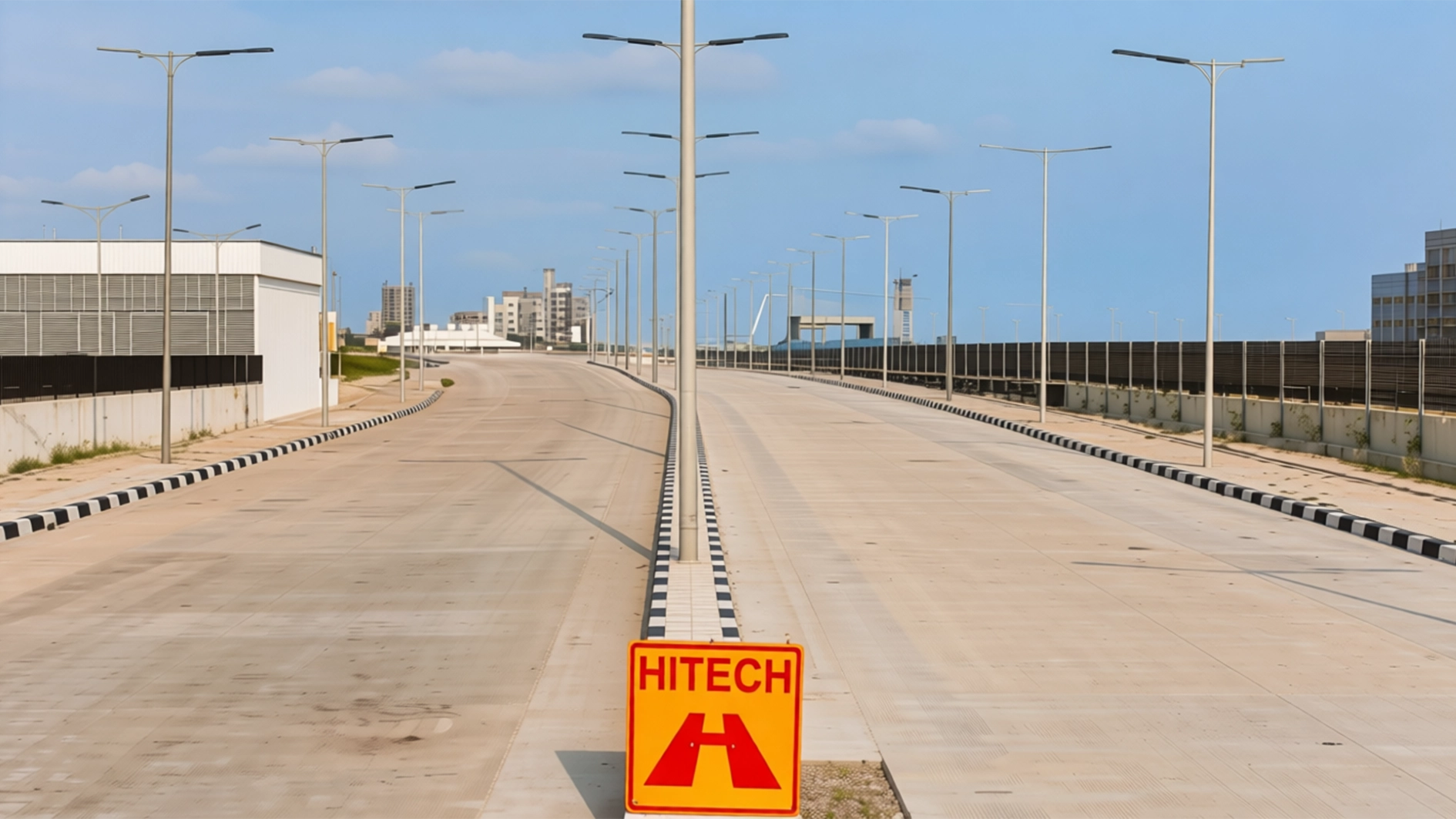
The construction of the Lagos-Calabar coastal highway has brought attention to the historical significance of Calabar. In the late 19th century, European powers, including Britain, scrambled to consolidate control in Africa. In 1884, Queen Victoria signed a treaty of protection with the chiefs of Akwa Akpa, enabling Britain to exercise control over the surrounding territory. This led to the establishment of the Oil Rivers Protectorate in 1885.
Calabar's strategic location and commercial history made it an ideal location for the headquarters of the Oil Rivers Protectorate, Niger Coast Protectorate, and Southern Nigeria Protectorate. The city had long been a thriving port for palm oil and other exports critical to British industrial needs. Local merchant houses negotiated with European firms, and British protection treaties facilitated smoother trade and strengthened British influence in the region.
Beyond administration, Calabar became a center for early educational and religious developments in Nigeria. Scottish missionaries established schools and churches in the mid-19th century, influencing local institutions and social reforms. The Hope Waddell Training Institution, founded in 1846, was one of the earliest secondary schools in the region. These institutions shaped local elites and contributed to the cultural synthesis that characterized colonial Calabar.
Calabar also played a significant role in Nigeria's early legislative engagement. In 1922, the British established the Legislative Council with elected members from Calabar and Lagos, marking one of the first forms of representative governance in British West Africa. This council approved budgets and enacted laws, laying important groundwork for Nigeria's later political evolution.
The city of Calabar has been a hub for nationalism and the struggle for Nigeria's independence. Professor Eyo Ita declared a call to action for the youth of Calabar, emphasizing the need to build a new social order and promote better health, education, and economic welfare. His message inspired a generation of young people to work towards the emancipation of Calabar and Nigeria as a whole.
Many notable figures from the South-South region have contributed to Nigeria's development. President Bola Ahmed Tinubu's construction of the Lagos-Calabar coastal highway is seen as a gesture of appreciation for the region's leaders and people. Some notable figures from the region include Professor Eyo Ita, Earnest Sesei Ikoli, Dr. Kenule Beeson Saro-Wiwa, and Former President Goodluck Jonathan, among others.
The contributions of these individuals and the region as a whole have been significant. The establishment of the Niger Delta Development Commission, the Ministry of Niger Delta, and the Amnesty Programme are some of the initiatives aimed at developing the region. However, many believe that more needs to be done to compensate for the region's services to Nigeria. The construction of the Lagos-Calabar coastal highway is a step in the right direction.
Key points
- The construction of the Lagos-Calabar coastal highway highlights Calabar's historical significance and importance in Nigeria's development.
- Calabar played a significant role in Nigeria's early educational, religious, and legislative developments.
- The region has produced many notable figures who have contributed to Nigeria's growth and development.