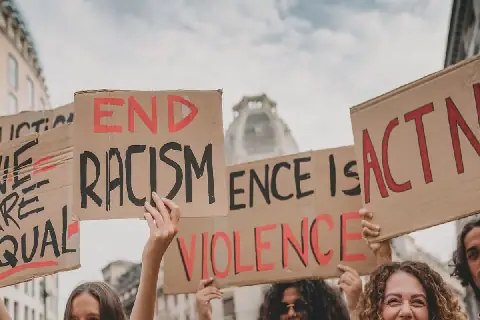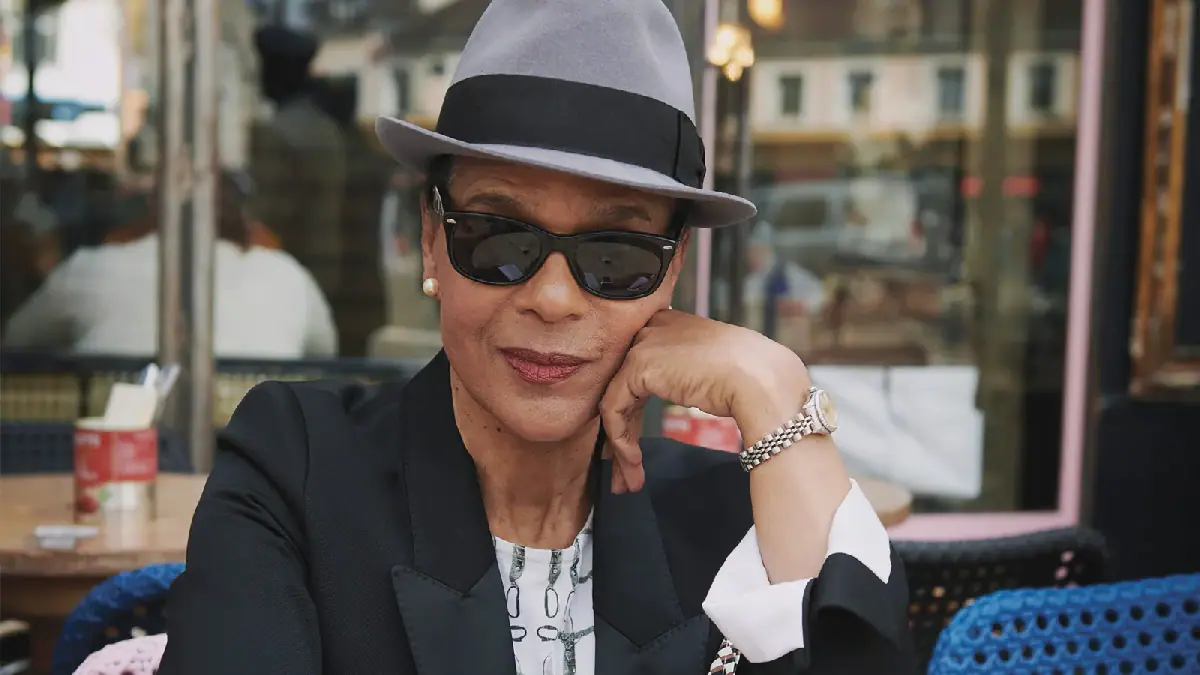
Pauline Black, the lead singer of The Selecter, has been combining music and politics throughout her career. The band was part of the 2 Tone movement, a musical subculture that emerged in Coventry in the late 1970s. This movement stood in direct opposition to the divisive politics of the era, promoting an inclusive and anti-racist message. Black's involvement in the movement has been a defining aspect of her career, with The Selecter's music addressing issues of racism and social inequality.
The Selecter's music was a key part of the 2 Tone movement, which was characterized by its black-and-white check iconography. This imagery was used to represent the movement's anti-racist message, with black and white people coming together to make music. The movement's impact was significant, with bands like The Selecter and The Specials appearing on mainstream television and bringing their message to a wider audience. Black notes that the movement's anti-racist stance was not without its challenges, with far-right groups attending their early shows and expressing their opposition to the band's message.
Black's experiences with racism have been shaped by her personal life and her involvement in the music industry. She recalls having an uncle who supported Enoch Powell, a British politician known for his racist views. This experience has informed her perspective on racism and has driven her to use her music as a way to address these issues. Black also notes that racism was deeply ingrained in society at the time, with many people not even recognizing it as a problem. The Selecter's music was a way to challenge this status quo and promote a more inclusive and equitable society.
The recent rise of the far right has given Black a sense of déjà vu, with many of the same racist and divisive ideologies being promoted today. She notes that the current political climate is more challenging, with far-right politicians holding seats in parliament and promoting their ideologies. Despite this, Black remains committed to using her music as a way to challenge these ideologies and promote a more inclusive and anti-racist message.
Black's archive of memorabilia from The Selecter's early days has been donated to the Saatchi Gallery's Beyond the Streets exhibition, which showcases artefacts representing street culture, street art, and street politics. The exhibition includes items such as itineraries from the band's first US tour, handwritten notes, and tickets from their early shows. Black notes that she is amazed that her archive is being recognized in this way, and that it will be on display for a wider audience to see.
The 2 Tone movement had a significant impact on the music industry and society as a whole. Black notes that the movement provided social reportage, using music as a way to address issues of racism and social inequality. While the movement was not able to single-handedly change the thoughts and ideologies of an entire country, it did help to bring these issues to the forefront of public discourse. Black believes that this is the most that any band or movement can do, and that The Selecter's legacy continues to inspire new generations of musicians and activists.
The Beyond the Streets exhibition, which features Black's archive, will be on display at the Saatchi Gallery in London until May 5, 2027. Black notes that she is looking forward to seeing her archive and pictures of her in the exhibition, and that it is a testament to the enduring legacy of The Selecter and the 2 Tone movement. The exhibition is a celebration of the power of music and art to challenge social norms and promote positive change.
Key points
- The Selecter's music addressed issues of racism and social inequality, promoting an inclusive and anti-racist message.
- The 2 Tone movement had a significant impact on the music industry and society, bringing issues of racism and social inequality to the forefront of public discourse.
- Pauline Black's archive of memorabilia from The Selecter's early days has been donated to the Saatchi Gallery's Beyond the Streets exhibition.
Reporting sources
- The Selecter’s Pauline Black: ‘Racism was the status quo. The same as sexism was’ · The Big Issue Malawi