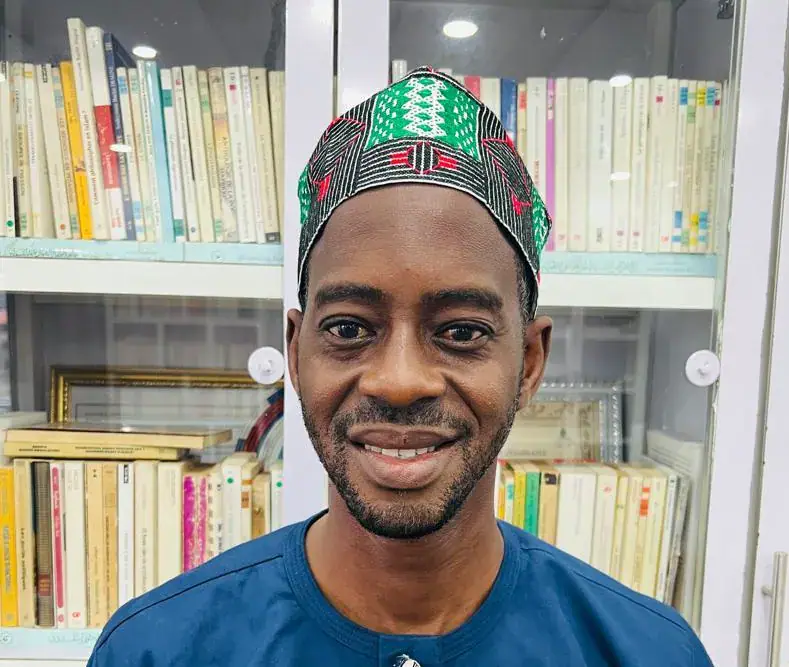
In a recent article, Dr. Alioune Bah discussed the importance of knowledge in Islam, emphasizing that it is essential for human liberation and progress. According to Dr. Bah, knowledge in Islam is not limited to theology and Islamic law, but also encompasses self-knowledge, knowledge of God, and knowledge of the world. This triple aspect of knowledge aims to liberate individuals from prejudices and superstitions, while also continuing the revelation of the world. Dr. Bah's article, published on Vision Guinee, highlights the connection between Islam and science.
Dr. Bah argues that the Quranic message emphasizes the importance of knowledge, encouraging individuals to seek understanding and wisdom. The concept of knowledge in Islam is closely tied to the idea of human potentiality, which allows individuals to create and shape their own destiny. According to Dr. Bah, humans are created with the capacity for knowledge and freedom, enabling them to become "co-creators" of the world. This idea is also reflected in the Bible, where humans are created in the image and likeness of God.
The concept of "Caliph" or "tenant of God" is central to Dr. Bah's argument, emphasizing the human responsibility to continue the creation of the world in a progressive and ethical manner. This role requires individuals to exercise their freedom and creativity, using their knowledge to build a better world. Dr. Bah cites the Senegalese philosopher Souleymane Bachir Diagne, who refers to this responsibility as the "deposit" or trust that has been placed in humans.
Dr. Bah also explores the relationship between science, technology, and the transformation of the world. He notes that modern science aims to make humans "masters and possessors of nature," but argues that this goal must be balanced with ethical considerations. While humans have made significant progress in scientific and technological development, they have not necessarily become the "possessors of nature." Instead, the natural world often rebels against human dominance, highlighting the need for a more nuanced approach.
The consequences of neglecting ethical considerations in scientific and technological development are evident in the challenges facing the world today, including climate change, environmental degradation, and the threat of weapons of mass destruction. Dr. Bah argues that the Islamic concept of knowledge must be re-examined in light of these challenges, with a focus on integrating ethics and spirituality into scientific and technological development.
Dr. Bah's article highlights the need for a more integrated approach to knowledge, one that combines the insights of science, technology, and spirituality. He argues that this approach can help humans to fulfill their role as "co-creators" of the world, while also ensuring that scientific and technological progress serves the greater good. This requires a fundamental shift in the way that humans approach knowledge and development.
Ultimately, Dr. Bah's article offers a nuanced and thought-provoking exploration of the role of knowledge in Islam, highlighting its potential to liberate human potential and promote progress. As the world continues to grapple with the challenges of scientific and technological development, Dr. Bah's insights offer a valuable perspective on the need for a more integrated and ethical approach to knowledge.
Key points
- Dr. Alioune Bah emphasizes the importance of integrating ethics and spirituality into scientific and technological development.