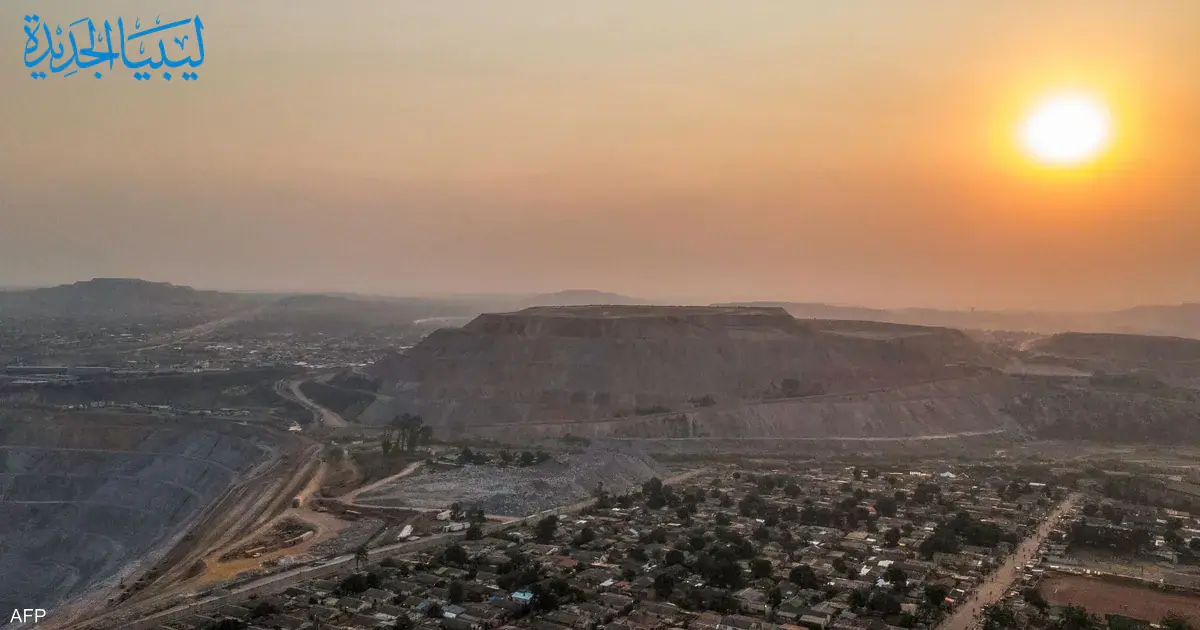
The global artificial intelligence industry and related electronics sectors generate approximately $2.7 trillion annually. This massive industry's growth is linked to the demand for strategic minerals, particularly coltan, which is a crucial component in the production of electronic devices and artificial intelligence systems. The Democratic Republic of Congo, particularly the eastern region, is rich in coltan, but the extraction and trade of this mineral are often linked to armed groups and conflict.
The conflict in the Democratic Republic of Congo has been ongoing since 1996, resulting in approximately 6 million deaths. The United Nations has reported that the conflict is fueled by the control of natural resources, including coltan. The eastern region of the country, particularly the area around Rubaya, is a significant source of coltan, with an estimated annual production value of over $9 million. The armed group M23 controls this area, generating substantial revenue from taxes imposed on coltan production and trade.
The global demand for coltan has increased significantly due to its use in the production of electronic devices, artificial intelligence systems, and other high-tech products. This demand has led to a surge in the value of coltan, making it a highly sought-after mineral. However, the extraction and trade of coltan in the Democratic Republic of Congo are often linked to armed groups, which use the revenue to finance their activities. This has resulted in a vicious cycle of violence and exploitation.
A recent investigation by Global Witness found that at least five of the seven largest coltan exporters have purchased coltan from the conflict zone in Rubaya. The investigation revealed that this coltan was then sold to smelters and eventually to major technology companies. The report also highlighted the failure of international systems designed to prevent the trade of conflict minerals, allowing coltan to enter global supply chains.
Experts estimate that M23 generates approximately $800,000 per month in taxes from coltan production and trade in the Rubaya area, equivalent to $9.6 million annually. The control of coltan mines by armed groups has significant economic and strategic implications, as it provides a sustainable source of revenue and can influence the global supply chain.
The artificial intelligence industry's growth is expected to continue, driving up demand for coltan and other strategic minerals. This increased demand may lead to higher prices and greater incentives for armed groups to control coltan mines. The situation in the Democratic Republic of Congo highlights the need for greater transparency and accountability in the global supply chain, as well as the importance of addressing the root causes of conflict.
Global Witness has called for sanctions against companies that profit from conflict minerals and for stricter regulations on the trade of coltan. The organization also emphasizes the need for greater due diligence and accountability in the supply chain, as well as the importance of addressing the humanitarian and environmental impacts of the conflict.
Key points
- The global artificial intelligence industry's demand for coltan is fueling the conflict in the Democratic Republic of Congo.
- The conflict in the Democratic Republic of Congo has resulted in approximately 6 million deaths since 1996.
- The control of coltan mines by armed groups provides a significant source of revenue, perpetuating the cycle of violence.