On August 1, 2026, a clash between Ethiopian federal and Tigrayan forces occurred in western Tigray, a region in northern Ethiopia bordering Eritrea and Sudan. By August 3, the fighting had subsided, but hundreds of Tigrayans, including wounded fighters, had crossed into Sudan. This recent escalation follows Ethiopia's June 1 election, in which the Tigray region did not participate, and Prime Minister Abiy Ahmed's Prosperity Party won 438 seats.
The Tigray region has been embroiled in a power struggle between Abiy and the Tigray People's Liberation Front (TPLF), which governed Tigray and dominated Ethiopia's ruling coalition until Abiy took office in 2018. The TPLF, led by party chairman Debretsion Gebremichael, has denied allegations of cooperation with Eritrea and elements of Fano, a network of Amhara militias. Eritrea has also denied Ethiopia's accusations of occupying its territory and backing armed groups.
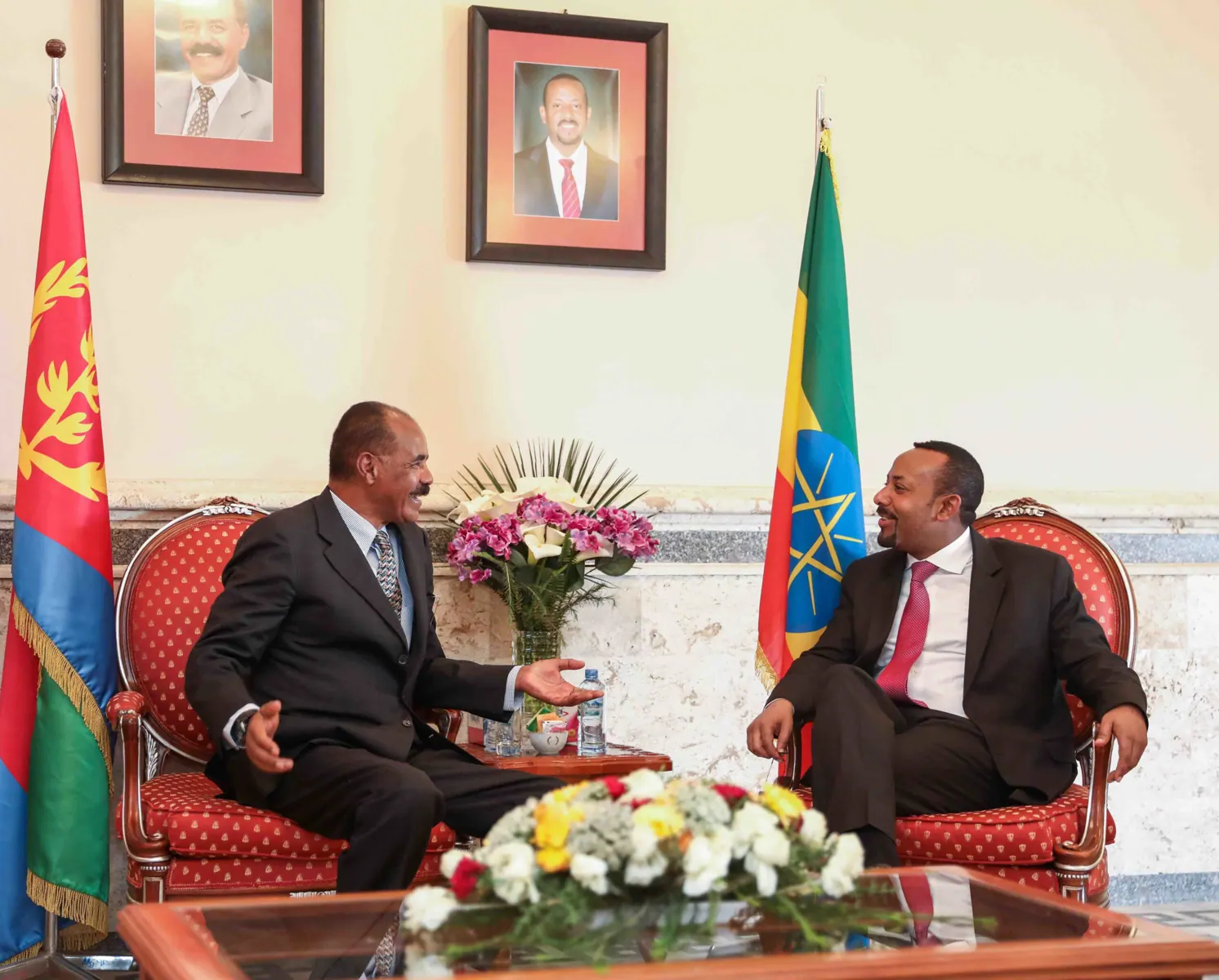
The 2018 Ethiopia-Eritrea peace agreement, signed by Abiy and Eritrean President Isaias Afwerki, ended hostilities after their 1998-2000 border war but did not establish publicly accountable rules for trade, currency exchange, land, or border crossings. The agreement made joint war in Tigray easier but did not lead to lasting cooperation on borders and trade. The breakdown in relations has reshaped outside support for rival Tigrayan factions.
The African Union-brokered agreement signed in Pretoria in November 2022 ended large-scale fighting and provided for disarmament, restored services, and an interim administration pending elections. However, the agreement left territory and authority unresolved, and control of government funding, gold mines, border routes, and armed forces helps rival leaders hold power. Residents have little say in the governance of the region.
In March 2025, Debretsion's faction pushed aside Getachew Reda, the interim president appointed after an internal party ballot. Abiy then appointed Tadesse Worede, commander of the Tigray Defence Forces (TDF), as president. In May, the TPLF revived the regional council elected in Tigray's 2020 vote, which the federal government had rejected, and elected Debretsion regional president. Tadesse maintained his claim to the presidency.
The struggle for control in Tigray is also a struggle over post-war resources. Senior TDF officers have business interests in Tigray's gold mines, and factions have contested control of the Endowment Fund for the Rehabilitation of Tigray, a large party-linked business group. Federal funding, salaries, and mining revenue help finance rival authorities. Human Rights Watch has documented abductions and unlawful recruitment by Tigrayan authorities, including of children as young as fifteen.
The rivalry between Ethiopia and Eritrea is likely to continue to shape the conflict in Tigray, with both countries using internal divisions to pursue their interests. The conflict has resulted in significant human suffering, with a 2025 medical and legal investigation concluding that conflict-related sexual and reproductive violence constituted crimes against humanity. Accountability and survivor care remain inadequate, and a lasting resolution to the conflict remains elusive.
Key points
- The conflict in Tigray is fueled by a power struggle between the Ethiopian government and the TPLF, with Eritrea and other regional actors playing a significant role.
- The rivalry between Ethiopia and Eritrea has led to a breakdown in cooperation and a reshaping of alliances in the region.
- The conflict has resulted in significant human suffering, with inadequate accountability and survivor care.