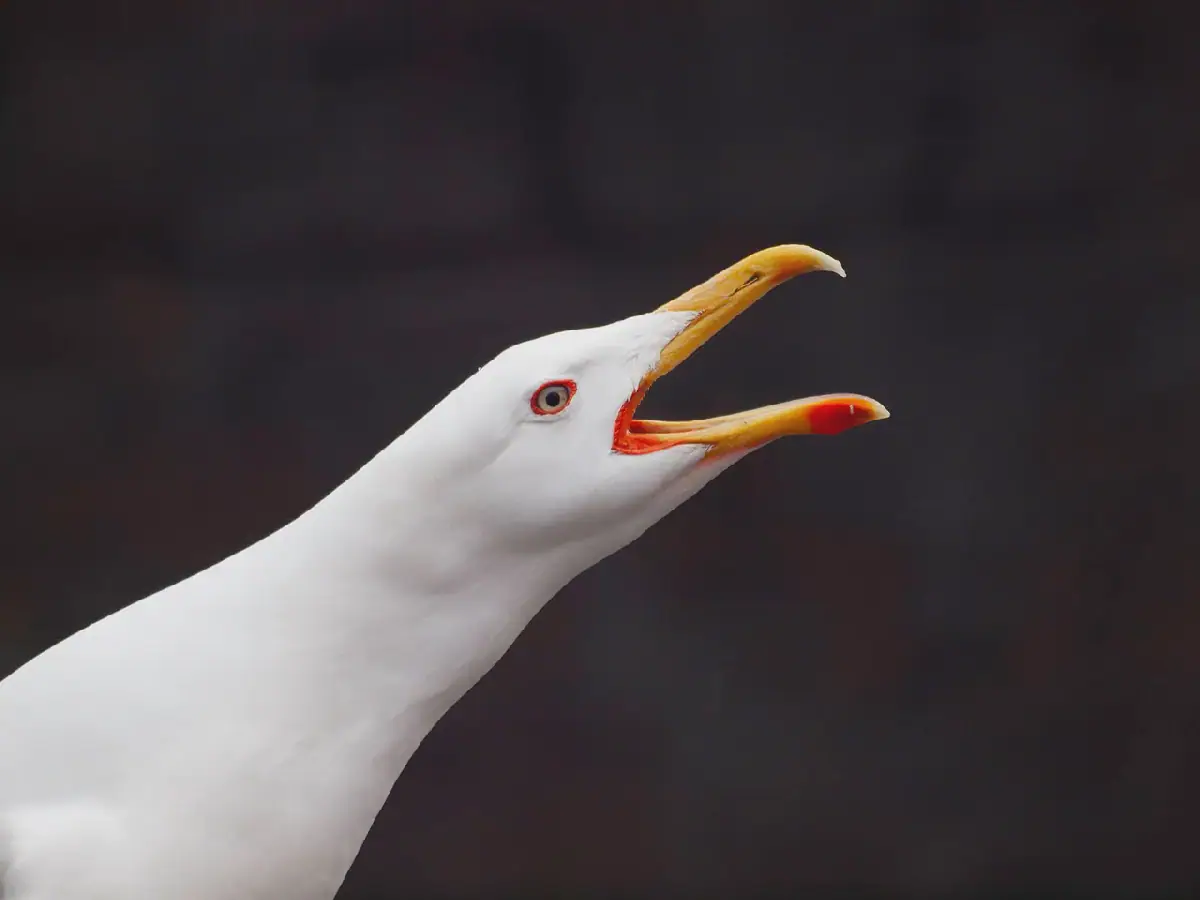
In the world of birds, particularly the "Awa" species, a distinctive red mark on the beak has sparked curiosity among many. This mark is not a sign of injury or illness, but rather a natural characteristic that plays a crucial role in the bird's life. The red mark serves as a visual cue for the bird's parents to feed their young. When the chicks are still in the nest, their eyesight is weak, and they rely on the red mark to signal to their parents that they are hungry.
The red mark on the beak is also an indicator of the bird's age and maturity. Young birds have a grey or pale beak with no red mark, but as they grow and mature, the beak turns yellow, and the red mark becomes visible. This transformation is a sign that the bird is ready to become independent and start its own life. The red mark is not just a cosmetic feature; it serves as a vital communication tool for the bird, signaling its health, age, and readiness for mating.
During mating season, the red mark on the beak becomes more pronounced, indicating to other birds that the individual is healthy, well-fed, and ready to build a nest and start a family. This visual signal helps birds choose a suitable mate and ensures the survival of the species. The red mark is a remarkable example of how nature has equipped birds with clever adaptations to communicate and interact with each other.
The "Awa" bird's distinctive red mark has fascinated many, and its significance extends beyond aesthetics. It plays a vital role in the bird's social behavior, mating rituals, and parental care. By understanding the importance of this red mark, we can gain a deeper appreciation for the intricate details of bird behavior and the natural world.
In Morocco, where the "Awa" bird is found, locals have long been aware of the bird's unique characteristics. However, it is essential to educate people about the importance of preserving the natural habitats of these birds and protecting them from harm. By doing so, we can ensure the continued survival of these remarkable creatures.
The study of bird behavior and characteristics has significant implications for our understanding of the natural world. By examining the unique features of birds like the "Awa" species, we can gain insights into their social behavior, mating habits, and habitats. This knowledge can inform conservation efforts and help protect bird populations.
In conclusion, the red mark on a bird's beak is a remarkable example of nature's ingenuity. It serves as a vital communication tool, signaling the bird's age, health, and readiness for mating. By understanding the significance of this red mark, we can gain a deeper appreciation for the intricate details of bird behavior and the natural world.
Key points
- The red mark on a bird's beak is a natural sign that indicates its age, health, and readiness for mating.