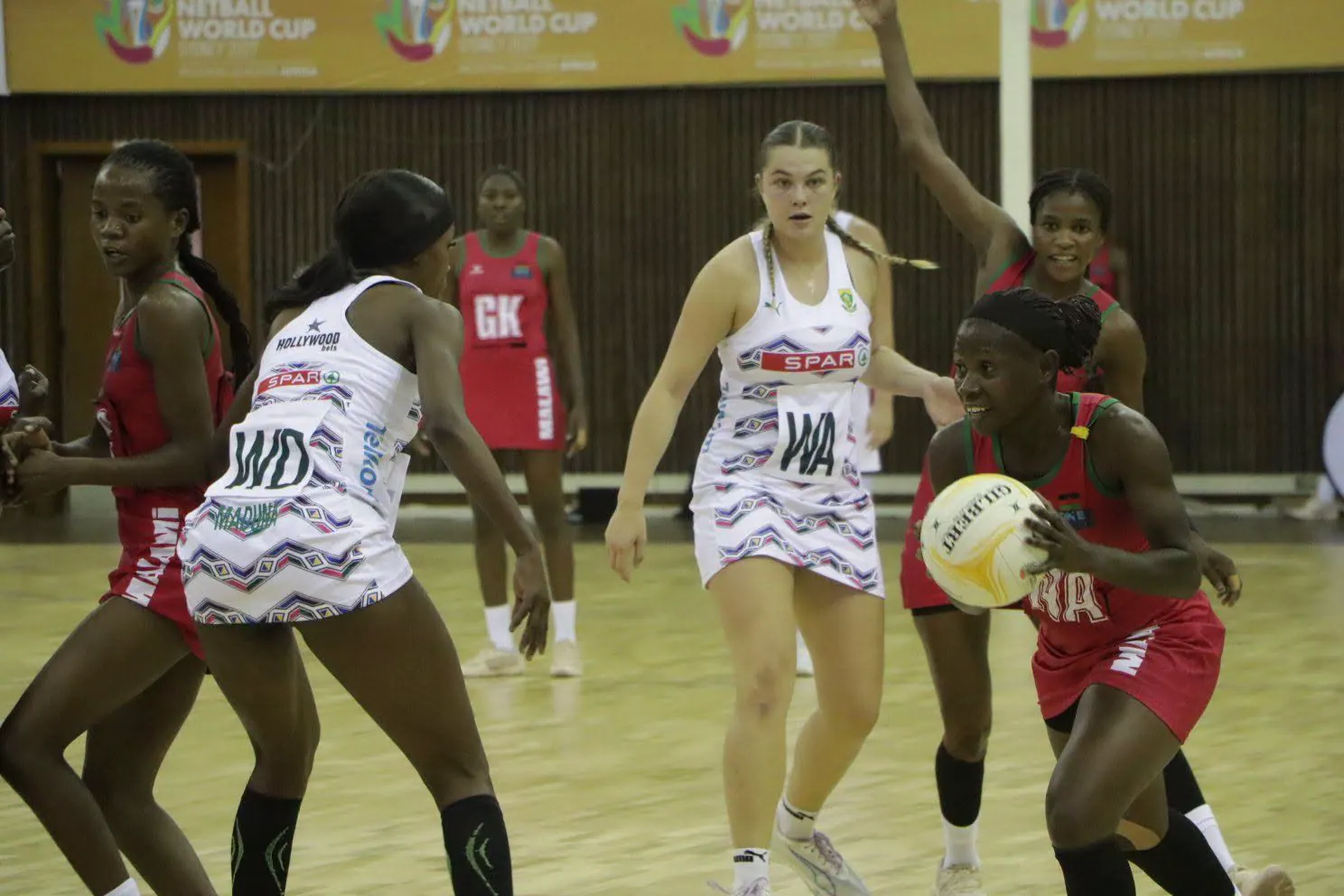
A concerning trend has emerged in Malawi's sports scene, where the national football team, the Flames, and the national netball team, the Queens, are compared side by side whenever either secures qualification for a major tournament. While both teams represent Malawi and carry the national flag, their qualification routes differ significantly. The comparison becomes problematic when qualification is used as the sole measure of achievement. The Flames compete in a large-scale elimination system, where a substantial proportion of African nations compete for a relatively small number of places.
In football, qualification for major tournaments like the Fifa World Cup and the CAF Africa Cup of Nations involves a lengthy campaign with multiple matches. For the 2026 Fifa World Cup, teams were divided into nine groups of six, with each team playing home and away against every group member. Only the nine group winners qualified directly, while the four best runners-up entered another play-off. In contrast, the Africa Netball Cup, which determines qualification for the Netball World Cup, involves a regional tournament with a limited number of teams. The Queens' qualification for the 2027 Netball World Cup was confirmed after they reached the semi-finals of the African qualifier.
The competitive architecture behind each sport differs significantly. In football, all African countries compete for qualification for the 24 available Afcon places. In netball, only 10 African countries opted to compete at the Africa Netball Cup. The Queens' achievement must be understood within the context of the route taken. The Flames' campaign for Fifa World Cup and Afcon qualification generally involves a prolonged continental elimination campaign involving dozens of nations and a limited number of places.
The Queens, on the other hand, can reach the same destination through a regional tournament in which some of the strongest teams have already qualified through rankings. Malawi's qualification for the 2027 Netball World Cup was confirmed after the Queens reached the semi-finals of the African qualifier. World Netball explicitly stated that, because South Africa and Uganda were already qualified through the rankings, Malawi and Namibia's advancement to the semi-finals secured their invitations.
Using a simple equation to compare the Flames and the Queens ignores the competitive architecture behind each sport. The better questions to ask are: How many teams were competing? How many places were available? How many matches had to be negotiated? And was qualification automatic for some teams? These questions produce a much more meaningful comparison.
The Flames and the Queens should certainly be celebrated, but celebration does not require pretending their qualification journeys were identical. Instead of turning national teams against each other through simplistic comparisons, Malawi's sporting conversation should recognise what each team actually had to overcome. The context of each team's achievement must be taken into account to appreciate their success.
By understanding the differences in qualification routes, Malawi can have a more nuanced conversation about its national teams' achievements. The Queens and the Flames have both demonstrated remarkable skill and determination, and their achievements should be celebrated on their own merit. Ultimately, a more informed discussion will help to promote a greater appreciation for the challenges faced by each team.
Key points
- The Flames and Queens have different qualification routes for major tournaments.
- The Africa Netball Cup involves a regional tournament with a limited number of teams.
- Simplistic comparisons between the Flames and Queens ignore the competitive architecture behind each sport.