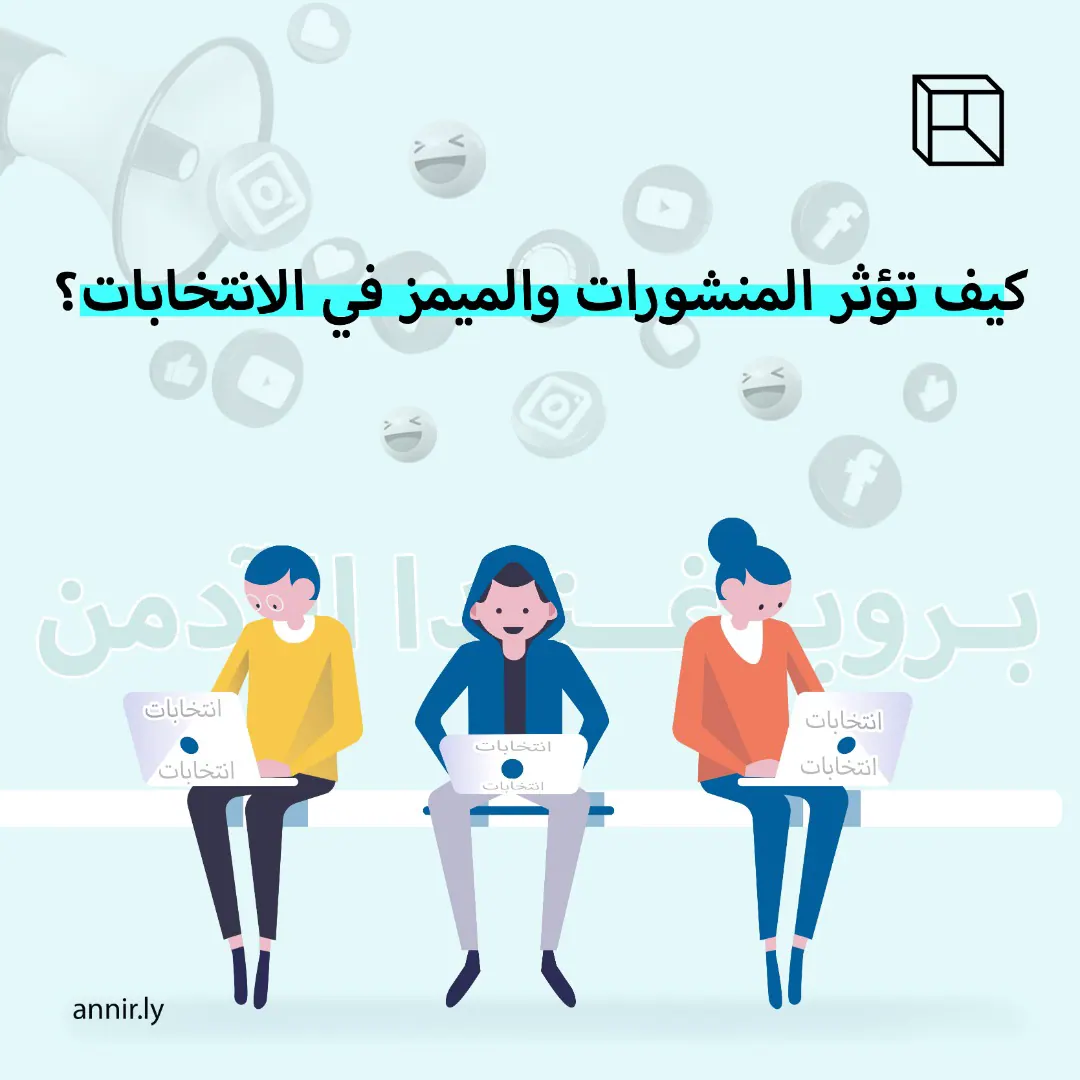
The world is changing, and with it, the way we consume information. In Libya, as in many other countries, social media has become a primary source of news and information for many citizens. According to a report by Annir, 57% of Libyans use social media platforms such as Facebook and Instagram as their main source of news. This shift has significant implications for the way politicians and parties approach their campaigns and messaging.
Social media has given politicians and parties a powerful tool to shape public opinion and influence voters. By creating and sharing content on social media, politicians can reach a large audience and tailor their message to specific demographics. In Libya, many politicians have taken to social media to promote themselves and their agendas, often using a mix of Arabic and humor to connect with their audience. This approach has proven effective, with many Libyans citing social media as a key source of information about politicians and their platforms.
Memes, in particular, have become a popular way for politicians and their supporters to connect with young people and shape public opinion. Memes are humorous images or videos that are often used to comment on current events or social issues. In Libya, memes have been used to poke fun at politicians and their policies, as well as to promote certain candidates or agendas. According to Regina Lawrence, a professor of political science at Ohio University, memes can be a powerful tool for shaping public opinion and influencing voters.
The use of social media and memes in Libyan politics has raised concerns about the spread of misinformation and the manipulation of public opinion. With the rise of social media, it has become easier for politicians and their supporters to create and disseminate content that is designed to influence public opinion, often without fact-checking or regard for accuracy. This has led to concerns about the impact of social media on the democratic process in Libya and the potential for manipulation of voters.
Despite these concerns, social media and memes are likely to continue playing a significant role in Libyan politics. As more Libyans gain access to social media, politicians and parties will need to adapt their strategies to reach this growing audience. This may involve creating more engaging content, using humor and satire to connect with voters, and leveraging social media influencers to promote their agendas.
The impact of social media on Libyan politics is part of a broader trend of digital activism and online engagement in the country. With the rise of social media, Libyans are increasingly using online platforms to express themselves, share information, and mobilize around social and political issues. This trend is likely to continue, with social media and memes playing an increasingly important role in shaping public opinion and influencing politics in Libya.
Key to understanding the role of social media and memes in Libyan politics is recognizing their potential to shape public opinion and influence voters. Three key points emerge from this analysis: social media has become a primary source of news and information for many Libyans; memes and humor are being used to connect with young people and shape public opinion; and the use of social media and memes raises concerns about the spread of misinformation and manipulation of public opinion.
Key points
- Social media has become a primary source of news and information for many Libyans.
- Memes and humor are being used to connect with young people and shape public opinion.
- The use of social media and memes raises concerns about the spread of misinformation and manipulation of public opinion.