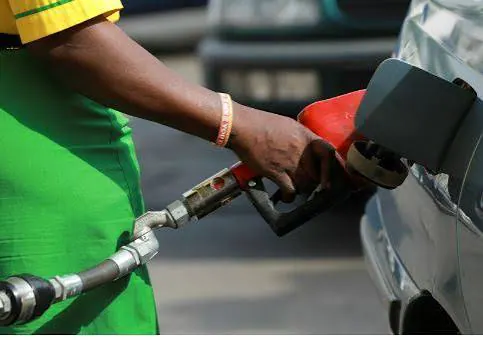
The debate on fuel subsidy removal in Nigeria has been ongoing for decades, with various administrations implementing different mechanisms to reduce or eliminate subsidy. In 1993, the price of petrol rose from N3.50 to N8.50 per litre, and the Petroleum Trust Fund (PTF) was established to channel the additional revenue into critical infrastructure and national development. However, the promised benefits have yet to be seen by the ordinary Nigerian.
In 2012, the Goodluck Jonathan administration introduced the Subsidy Reinvestment and Empowerment Programme (SURE-P) as part of the justification for reducing or removing fuel subsidy. Despite the price of petrol increasing multiple times over the N8.50 level, Nigerians were once again told that removing subsidy would free resources for development and improve the economy. The question remains as to how many times Nigerians will pay the price of subsidy removal and wait for the promised benefits.
According to NEITI's review of the policy history, there have been repeated attempts to reform fuel subsidy in 1993, 2012, 2016, and 2020, with governments adopting different mechanisms to reduce or eliminate subsidy. The 1993 and 2012 reforms were accompanied by the PTF and SURE-P, respectively, both intended to channel the proceeds into development and social interventions. However, there is a lack of transparent accounting of the funds saved from subsidy removal.
The Nigerian public has been presented with different names, programmes, and explanations for fuel subsidy removal, including subsidy removal, subsidy reduction, deregulation, price modulation, reinvestment, and market-based pricing. However, for the ordinary Nigerian, the experience is often much simpler: the price goes up, the cost of living rises, and another promise is made that things will eventually get better.
It is time to move beyond the politics of announcing subsidy removal and begin a serious conversation about the politics of accountability. If subsidy is a burden on government finances, the figures should be made public. If its removal is saving the government money, Nigerians should see the savings. If the savings are being invested in infrastructure and social protection, Nigerians should see the projects and know exactly how much was spent.
The government must explain why successive administrations have repeatedly used subsidy removal as both an economic solution and a political promise, while the fundamental problems of domestic refining, energy infrastructure, transportation, and mass poverty remain. After more than three decades of subsidy debates, the real question is no longer when subsidy will be removed, but when Nigerians will finally hear the last excuse for removing it.
The issue of fuel subsidy removal has become a recurring decimal in Nigeria's economic and political landscape. To move forward, the government must prioritize transparency and accountability in managing the funds saved from subsidy removal. This will help to build trust with the Nigerian public and ensure that the benefits of subsidy removal are felt by all.
Key points
- The Nigerian government must prioritize transparency and accountability in managing the funds saved from subsidy removal.
- Successive administrations have repeatedly used subsidy removal as both an economic solution and a political promise, while fundamental problems persist.
- The debate on fuel subsidy removal has been ongoing for decades, with various administrations implementing different mechanisms to reduce or eliminate subsidy.