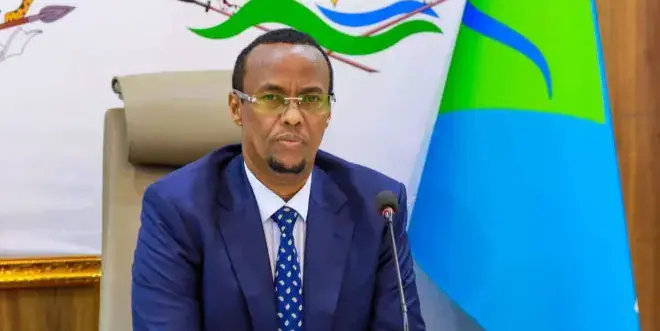
The recent political comeback of Hirshabelle's leader has sparked debate about the role of family connections and personal relationships in Somalia's federal system. The leader's campaign slogan "Waa hayaa, waana haysahaa" or "He has it, and he will keep it" conveys confidence in retaining authority. However, critics argue that this slogan may indicate a focus on preserving power rather than serving the public. The leader's return to prominence has raised questions about the relationship between personal connections and the distribution of political power.
Somalia's political landscape is shaped by negotiations among federal leaders, regional administrations, and influential networks. Family relationships can play a significant role in this environment, particularly when individuals connected by kinship occupy positions of authority. The alleged involvement of the President of Somalia, who is reportedly the leader's cousin, in facilitating his comeback has raised concerns about the boundaries between personal relationships and public responsibility.
The use of family connections in securing political office is a contentious issue in Somalia. While personal relationships can be an important aspect of Somali culture, political appointments and leadership transitions should be guided by constitutional procedures and the interests of the population. Allegations of favoritism must be assessed against verifiable evidence, including documented political agreements and public statements.
The leader's campaign has also raised questions about accountability and performance. In a democratic system, leaders should be judged by their ability to deliver results, including security, public services, and economic opportunity. The people of Hirshabelle have legitimate expectations regarding governance, and leaders should prioritize these needs over personal or political interests.
The "Waa hayaa, waana haysahaa" slogan has become a rallying cry for the leader's supporters, but it also carries a risk of being seen as a promise to maintain the status quo. To critics, this approach may indicate a focus on preserving power rather than driving meaningful change. The leader's governing record will ultimately be judged on its ability to address the priorities of the people of Hirshabelle.
The implications of the leader's comeback extend beyond Hirshabelle, with potential consequences for Somalia's federal system. The use of personal connections and family ties in securing power can undermine institutional legitimacy and create tensions between different levels of government. The leader's ability to balance competing interests and prioritize public welfare will be closely watched.
Ultimately, the people of Hirshabelle deserve leadership that prioritizes public welfare, accountability, and constitutional governance. The leader's comeback has sparked a necessary conversation about the role of family connections and personal relationships in Somalia's politics. As the country moves forward, it will be essential to prioritize transparency, evidence-based decision-making, and the interests of the population.
Key points
- The leader's campaign slogan "Waa hayaa, waana haysahaa" has become a rallying cry for supporters, but also raises concerns about the focus on preserving power.
- The alleged involvement of the President of Somalia in facilitating the leader's comeback has raised concerns about the boundaries between personal relationships and public responsibility.
- The leader's governing record will ultimately be judged on its ability to address the priorities of the people of Hirshabelle, including security, public services, and economic opportunity.