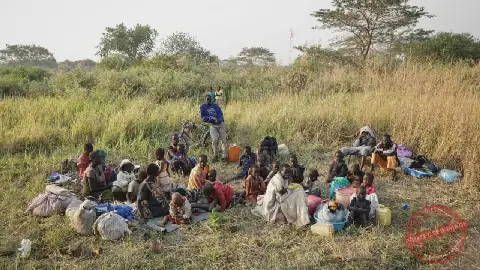
In the Horn of Africa, particularly in Djibouti, begging has evolved from an occasional necessity driven by poverty to a common spectacle in streets, markets, and even near places of worship. This shift prompts a critical examination of the underlying causes and whether it stems from shortcomings in upbringing and socialization or deliberate practices that perpetuate this phenomenon. The issue is complex, intertwined with factors such as poverty, lack of education, and unemployment.
The Islamic perspective emphasizes the importance of compassion and mutual support, with the Quran and Hadith encouraging believers to assist those in need while maintaining their dignity. However, the religion also promotes self-reliance and encourages individuals to work to support themselves rather than beg. The challenge lies in balancing these principles with the practical realities of poverty and need within communities.
The role of upbringing and education in shaping attitudes towards work and self-reliance cannot be overstated. Children who grow up in environments where begging is seen as an easy solution to financial problems may adopt this behavior as a viable option. Therefore, it is crucial for families, schools, and community institutions to instill values of hard work, self-respect, and resilience.
The visibility of beggars in public spaces, especially during religious events and in areas of worship, raises concerns about the normalization of begging. While it is essential to provide assistance to those genuinely in need, it is equally important to ensure that such aid is structured and effective, supporting individuals in a way that promotes long-term self-sufficiency.
Distinguishing between genuine need and exploitation is a significant challenge. Some individuals may resort to begging out of genuine desperation, while others may exploit the generosity of others for personal gain. Efforts to address begging must consider these nuances, implementing measures that support vulnerable populations without inadvertently encouraging dependency or exploitation.
Community and religious institutions have a pivotal role to play in addressing the issue of begging. By organizing support systems, providing education and vocational training, and facilitating access to employment opportunities, these institutions can help individuals break the cycle of dependency on begging. Moreover, raising awareness about the importance of structured giving and the potential for exploitation can encourage more informed and effective charitable practices.
Ultimately, tackling the issue of begging in the Horn of Africa requires a multifaceted approach that addresses the root causes of poverty and dependency. By fostering a culture of self-reliance, compassion, and informed support, communities can work towards sustainable solutions that uphold the dignity of all individuals and promote a more equitable society.
Key points
- The issue of begging in the Horn of Africa requires a nuanced understanding of its causes and consequences.
- Addressing begging necessitates a balanced approach that promotes self-reliance and provides structured support to those in need.
- Community and religious institutions play a crucial role in developing effective strategies to combat begging and support vulnerable populations.