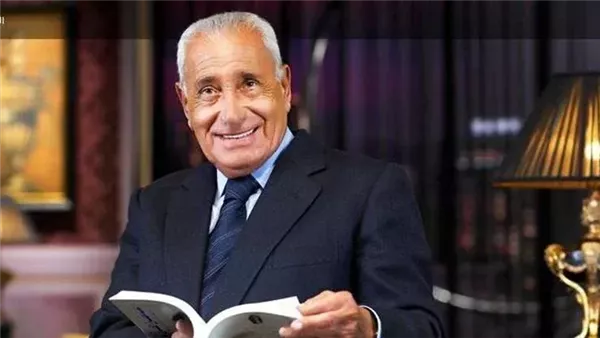
Egyptian journalist and writer Mohamed Hassanein Heikal, widely known as "Al-Astaz," led a life that extended far beyond his role as a prominent figure in Egyptian politics and journalism. Heikal's life was marked by a deep connection to the arts, which began to take shape in 1943 when he investigated the behind-the-scenes of the play "Kishkish Bak." It was during this time that he met the comedy legend Naguib Al-Rihani and actress Mimi Shakib, an encounter that left a lasting impression on him.
Heikal's fascination with the arts only grew stronger as he transitioned from being a theater critic to engaging with artists and understanding the pulse of the nation. His relationship with Egyptian music icon Umm Kulthum exemplified this approach. Heikal's connection to Umm Kulthum was initially sparked by President Gamal Abdel Nasser's deep admiration for her voice. This connection eventually evolved into a close friendship, with Heikal often attending her performances and even engaging in intellectual discussions about politics and art.
Heikal's interactions with other notable figures in Egyptian entertainment further demonstrate his unique approach to journalism and the arts. His bond with singer Abdel Halim Hafez, for instance, was built on mutual respect and trust. Heikal's office became a hub for creative discussions, as seen in his arrangement of a meeting between Abdel Halim and writer Gillel El-Bandari, which ultimately led to the creation of Abdel Halim's memoirs, "The Bridge of Sighs."
Heikal's relationships with writers and poets also reveal his profound appreciation for the arts. His connection with poet Abdel Rahman El-Abnoudi was characterized by a deep sense of humanity and understanding. Heikal saw El-Abnoudi not just as a poet but as a symbol of the Egyptian people's struggles and aspirations. In contrast, his relationship with playwright Tawfiq Al-Hakim was more complex, marked by both admiration and disagreement.
The world of cinema and theater also played a significant role in Heikal's life. His friendship with actor Adel Imam, for example, began with a simple yet meaningful statement: "If you have a list of fans, I'm at the top of it." Heikal's appreciation for the arts extended to his interactions with actress Faten Hamama, with whom he shared a deep conversation about the role of cinema in shaping Egypt's cultural identity.
Throughout his life, Heikal remained committed to understanding the intersection of politics, art, and culture in Egypt. His legacy serves as a testament to the power of journalism and the arts to shape our perceptions of the world around us. As a prominent figure in Egyptian journalism, Heikal's life offers valuable insights into the country's complex history and cultural landscape.
Today, Heikal's story serves as a reminder of the importance of exploring the multifaceted lives of public figures. By delving into his experiences and relationships, we gain a deeper understanding of the intricate connections between politics, art, and culture in Egypt. Heikal's remarkable life is a reflection of his boundless curiosity and his dedication to understanding the complexities of Egyptian society.
Key points
- Heikal's relationships with prominent Egyptian artists and intellectuals offer a unique perspective on the country's cultural and artistic landscape.
- Heikal's life serves as a testament to the power of journalism and the arts to shape our perceptions of the world around us.
- Heikal's legacy continues to inspire new generations of journalists, writers, and artists in Egypt and beyond.