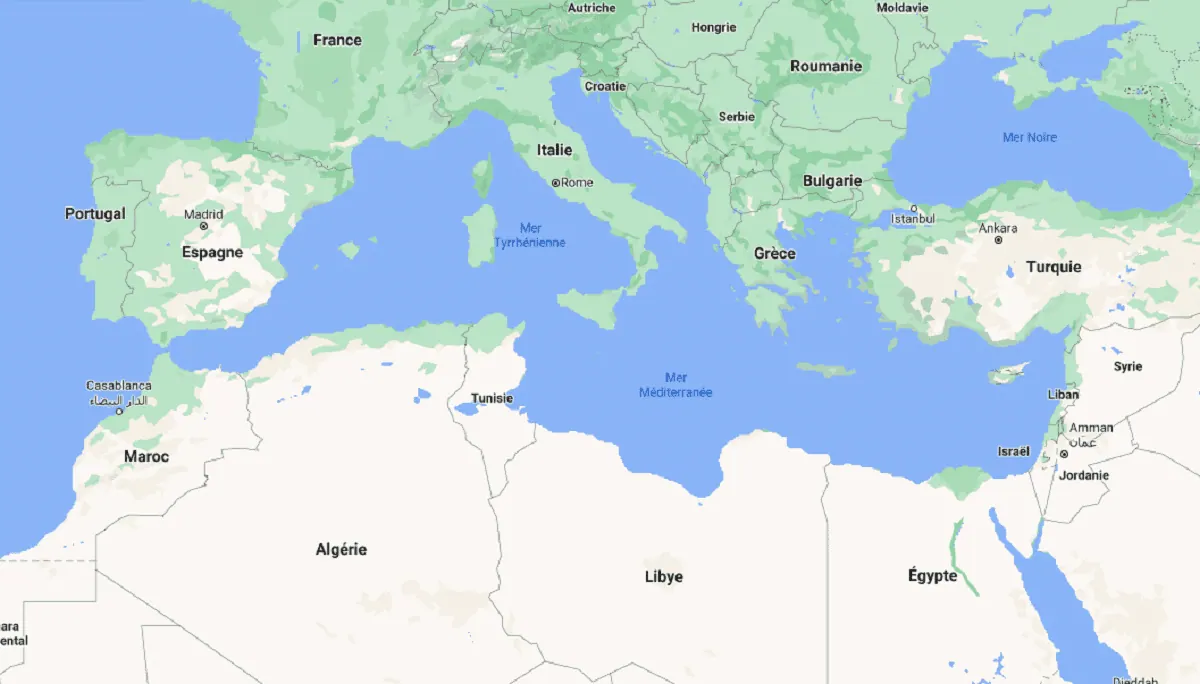
The Mediterranean region is facing a severe water crisis, with millions of people struggling to access this essential resource. The area is a hotspot for climate change, with temperatures rising 20% faster than the global average. This, combined with economic and demographic pressures, has put the region's water resources and services under significant strain. As a result, many countries in the south and east of the Mediterranean have less than 500-1000 cubic meters of water per person per year, meeting the official definition of water scarcity.
The situation is not much better in the north, where 30% of the population in Southern Europe lives in areas under permanent water stress, and a staggering 70% experience this stress during the summer months. Across the basin, approximately 180 million people are living in water poverty, and 60 million more are experiencing severe water stress. The Mediterranean region is facing a typically Mediterranean crisis, with water scarcity having far-reaching consequences for the environment, human health, and socio-economic stability.
The issue of water scarcity in the Mediterranean requires a coordinated regional approach. Individual national approaches may not be sufficient to address this complex problem. The Union for the Mediterranean (UfM) has taken a significant step towards addressing this issue with the adoption of the second ministerial declaration on water in the Mediterranean. This declaration, signed by representatives of the 43 UfM member states, recognizes the need for enhanced transboundary cooperation in sustainable water management.
The declaration also marks the launch of the Rome Initiative on Water, aimed at mobilizing the necessary investments and technical capacities to establish sustainable water systems in the Mediterranean region. Despite progress in recent years, financial viability has often proven to be an obstacle to environmental sustainability. The Rome Initiative seeks to bridge the funding and expertise gaps that hinder the modernization and improvement of public service installations.
The Mediterranean region's water systems are intricately linked, making it impossible for one country to be completely insulated from the effects of water scarcity in neighboring countries. Water has the power to influence not only the integrity of ecosystems and human health but also the very fabric of socio-economic and political stability in the region. The UfM's Secretary-General has called for a choice between becoming a region of cooperation and resilience or one where vulnerabilities continue to worsen.
The Rome Initiative on Water is seen as a crucial step towards addressing the water crisis in the Mediterranean. By creating a framework that connects, coordinates, and strengthens existing efforts, the initiative aims to provide a model for other essential sustainability initiatives that can be replicated to build a more integrated and resilient Mediterranean.
The issue of water scarcity in the Mediterranean requires immediate attention and collective action. With the necessary knowledge and tools at hand, the region must decide whether to work together to address this challenge or risk exacerbating existing vulnerabilities. The consequences of inaction will be severe, with far-reaching impacts on the environment, human health, and socio-economic stability.
Key points
- The Mediterranean region is facing a severe water crisis, with millions of people struggling to access this essential resource.
- The Rome Initiative on Water aims to mobilize investments and technical capacities to establish sustainable water systems in the Mediterranean region.
- A coordinated regional approach is necessary to address the complex issue of water scarcity in the Mediterranean.