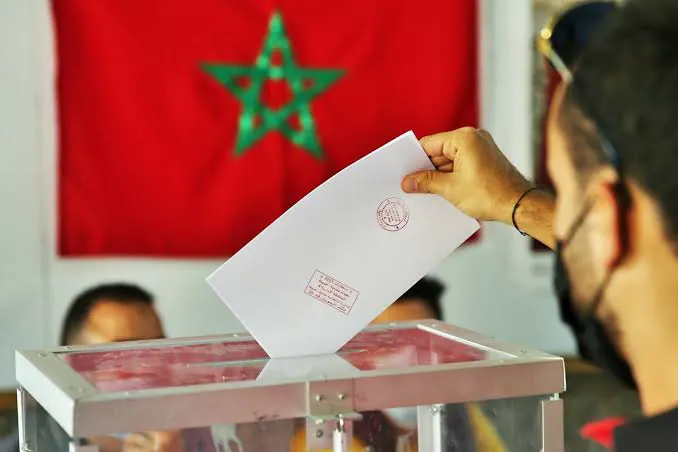
Moroccan elections are often described using formal language of political parties, candidates, and platforms. However, this doesn't fully reflect the realities of electoral politics in the country. A complex social landscape exists between citizens and parties, involving prominent individuals, community intermediates, and local opinion leaders. This landscape plays a crucial role in shaping voters' decisions. The influence of notable figures and local brokers is significant in Moroccan elections.
The maraboutic model of political mediation offers a deeper understanding of Moroccan elections. This model is based on a relational logic where authority is embodied in persons rather than institutions. In this context, voters place their trust in individuals who can protect, mediate, and deliver. This logic explains the persistence of personalized democracy in Morocco. Voters often prioritize trust in individuals over party affiliations.
In Morocco, voters may place their trust in traditional notables, businessmen, lawyers, or association leaders. These individuals can solve problems and provide access to resources. The notable continues to hold relevance in Moroccan elections due to their ability to activate networks and provide resources. The grassroots electoral intermediary plays a crucial role in mobilizing voters. These brokers have intimate knowledge of the social field and can persuade voters to support a candidate.
The electoral chain in Morocco can be depicted as: party → notable → grassroots intermediary → voter. The party provides the label and access to formal competition, while the notable provides resources and connections. The grassroots broker provides social knowledge and proximity to voters. Electoral mediation involves more than just vote-buying; it includes a range of strategies to influence voters. Brokers may promise to help voters obtain employment or solve administrative problems.
Electoral choice in Morocco becomes intertwined with gratitude, expectation, and social obligation. Voters may support a candidate because of personal connections or favors received. Mediation may take informal forms, especially in poor neighborhoods, where electoral networks may recruit unemployed young men or socially marginal actors. These individuals can reach voters that party activists cannot. This highlights the complex nature of electoral politics in Morocco.
The campaign in Morocco converts social embeddedness into political capital. The spectrum of brokerage encompasses both lawful mobilization and unlawful tactics. Intermediaries can replace institutions in the eyes of voters, making rights commodities obtained through personal relationships. This dynamic can be attributed to institutional distance creating demand for intermediaries. The role of intermediaries in Moroccan elections is multifaceted and complex.
Understanding the mediation model of Moroccan elections requires recognizing the significance of personalized authority and trust. This model is not unique to Morocco but offers insights into the country's electoral politics. The complex social landscape of Moroccan elections involves various actors, from notables to grassroots brokers. This landscape shapes voters' decisions and influences electoral outcomes.
Key points
- The maraboutic model of political mediation explains the persistence of personalized democracy in Morocco.
- Voters in Morocco often prioritize trust in individuals over party affiliations.
- Electoral mediation in Morocco involves a range of strategies beyond vote-buying, including promises of employment or administrative favors.