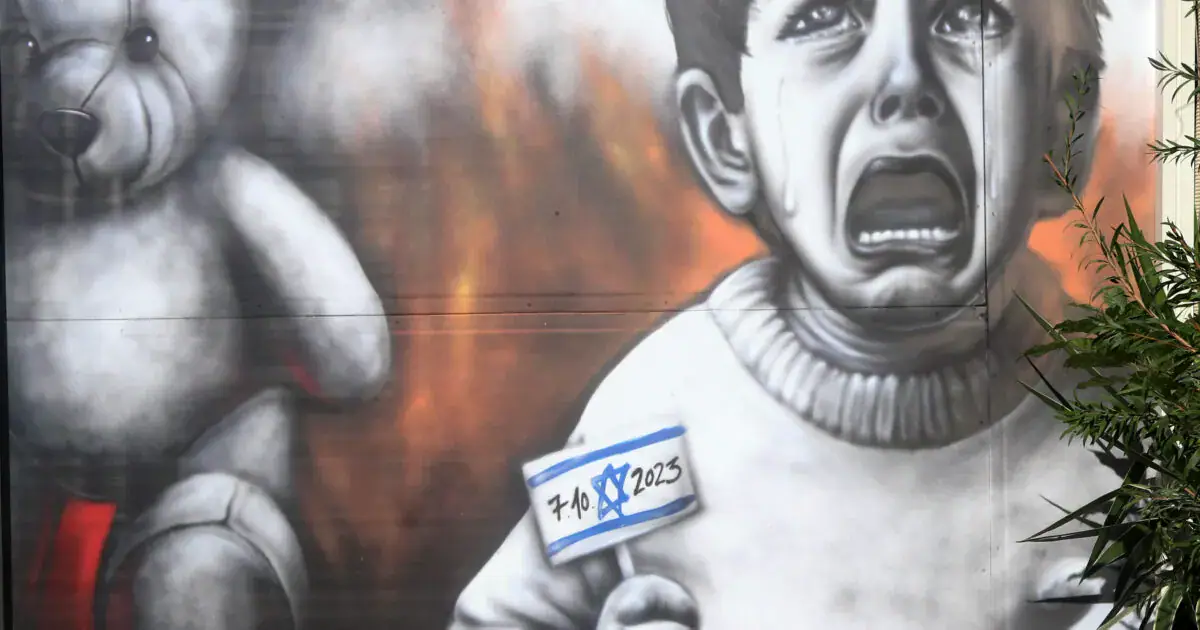
The events of 7 October 2023 had a profound impact on Jews around the world, including those in South Africa. For Israelis, the effects were immediate and physical, while for South African Jews, the experience was different but no less traumatic. The aftermath of the events led to a changed understanding of the world, with many South African Jews experiencing disorientation, loneliness, and a re-evaluation of their relationships and sense of belonging.
According to Dr. Hanan Bushkin, a psychologist and founder of the Anchor-Based Approach, trauma is not just the terrible event itself, but also what it teaches us about the world afterwards. The experience of 7 October has led to a sense of disorientation and a questioning of previously held assumptions about safety and security. For many South African Jews, one of the anchors that gave their lives stability was their sense of belonging, which has been shaken by the events of the past three years.
The South African Jewish Board of Deputies recorded 139 antisemitic incidents between October and December 2023, a significant increase from the 19 incidents reported during the same period the previous year. However, statistics do not fully capture the experience of trauma and its impact on daily life. Many Jews have become more cautious in their conversations, and some have begun to question whether they still belong in their communities.
The trauma of 7 October has also had a profound impact on the daily lives of South African Jews. Children have become more conscious of their school uniforms, university students have calculated whether to mention Israel in conversations, and parents have wondered whether their child's Jewish school is safe. These experiences are a manifestation of collective trauma, which can enter ordinary life and affect relationships and a sense of security.
Despite the challenges, Dr. Bushkin notes that trauma can also reveal anchors of stability and resilience. Over the past three years, many South African Jews have turned towards one another, with people returning to synagogues, becoming curious about their Jewish identity, and mobilizing in support of their communities. This response has been crucial in mitigating the effects of trauma and promoting healing.
The Anchor-Based Approach emphasizes the importance of strengthening the parts of life that are within our control, such as family, relationships, and community. By focusing on these anchors, individuals can build resilience and promote healing in the face of trauma. For South African Jews, this approach has been essential in coping with the aftermath of 7 October and finding a way forward.
As Dr. Bushkin notes, the purpose of an anchor is not to make the storm disappear, but to provide something solid to hold onto while the storm is happening. For South African Jews, those anchors have always been there, including family, community, faith, tradition, and a capacity to build and create. The task now is to ensure that what happened on 7 October does not define what happens next.
Key points
- The trauma of 7 October 2023 continues to affect South African Jews, with many experiencing disorientation, loneliness, and a changed understanding of their place in the world.
- The events of 7 October have led to a significant increase in antisemitic incidents in South Africa, with 139 incidents reported between October and December 2023.
- Despite the challenges, South African Jews have shown resilience and a capacity to come together in support of their communities, with many turning towards one another and mobilizing in response to trauma.
Reporting sources
- 7 October did not end on 7 October · Jewish Report