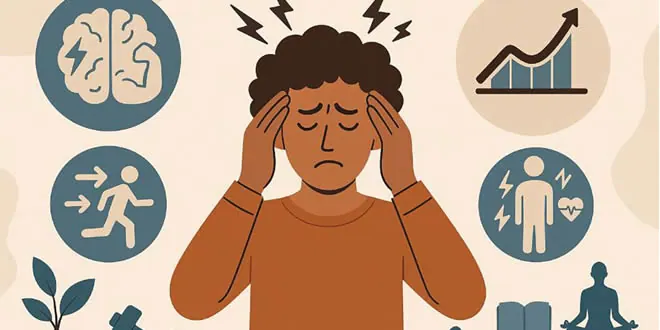
Stress is often perceived as a mental state, but it has a profound impact on the entire body. When the alarm system in the body doesn't turn off, it can lead to problems with sleep, blood pressure, and heart health. The phrase "I am stressed" has become common, but its meaning has been lost. As a doctor, stress is viewed differently, as it affects not only the mind but also the body. The body listens to stress, and chronic stress can have severe consequences.
The body's stress response is an ancient mechanism that was designed to help survive immediate danger. When the brain perceives a threat, it triggers a physiological response, releasing stress hormones, increasing heart rate, and mobilizing energy reserves. This response was useful in the past when facing physical threats, but today, the threats have changed, and the body's response remains the same. The body doesn't distinguish between physical and psychological threats, leading to chronic stress.
Chronic stress can have severe consequences on overall health. It can disrupt sleep patterns, appetite, blood pressure, and glucose regulation, leading to cardiovascular disease. The repeated activation of the stress response can lead to "allostatic load," which is the cumulative wear and tear on the body. It's essential to recognize the signs of chronic stress and take steps to manage it.
A life without stress is not realistic or necessary. People will face challenges, and stress will occur. However, it's essential to give the body a chance to recover from stress. This can be achieved through adequate sleep, exercise, spending time outdoors, and nurturing relationships. Meditation, prayer, and quiet reflection can also help manage stress.
The key to managing stress is to listen to the body and recognize the early signs of stress. Often, people ignore the initial symptoms, attributing them to fatigue or headaches. However, persistent or worrying symptoms should be evaluated medically. Stress is not a weakness, and seeking help is essential to prevent chronic stress.
Dr. Benazir Begüm Hymabaccus Muradi, a specialist in internal medicine, emphasizes the importance of recognizing the impact of stress on overall health. She notes that stress starts as a feeling but affects the entire body. The body sends signals, and it's essential to listen to them before they become severe.
Managing stress requires a holistic approach, and there is no one-size-fits-all solution. It may involve making lifestyle changes, such as learning to say no, seeking help, or quitting a toxic situation. The goal is to give the body a chance to recover and recognize that the danger has passed. By acknowledging the impact of stress on overall health, individuals can take steps to manage it and prevent chronic stress.
Key points
- Chronic stress can lead to cardiovascular disease and disrupt sleep patterns.
- The body's stress response is an ancient mechanism that was designed to help survive immediate danger.
- Managing stress requires a holistic approach, including lifestyle changes and seeking medical help when necessary.