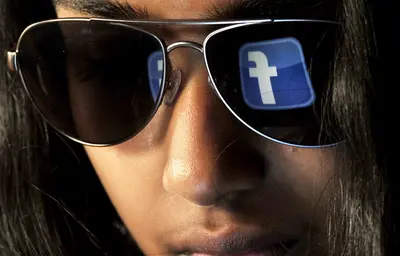
As the world observes Mental Health Awareness Month, experts are highlighting the impact of social media on mental health. According to Professor Christine Lochner, social media has greatly expanded the number of people available for comparison, making it easier to compare our lives with others. This phenomenon, known as "keeping up with the Joneses," has moved into the digital age, where social networking sites provide abundant opportunities for social comparison.
Social media platforms showcase carefully selected material, often presenting a curated version of people's lives. This can include major achievements, exotic holidays, relationships, attractive bodies, beautiful homes, and successful careers. However, this curated content can create unrealistic expectations and promote self-doubt. Lochner notes that people compare their "behind the scenes" with someone else's highlight reel, which can lead to feelings of inadequacy and lower self-worth.
Research distinguishes between upward and downward social comparison. Upward comparison involves comparing ourselves with people perceived as better off or more successful, which can provide inspiration but also trigger feelings of inadequacy. Downward comparison, on the other hand, involves comparing ourselves with people perceived as worse off, which can enhance self-esteem. A large analysis of 226 studies found that comparing oneself with idealized profiles was associated with poorer mental health and body dissatisfaction.
The direction and nature of comparison may be significant in determining the impact on mental health. Lochner notes that social media use and associated social comparison do not automatically affect self-worth or damage mental health; rather, particular patterns of comparison may contribute to psychological difficulties. It is essential to consider how people use social media, how it functions, and whether its use has become difficult to control or interferes with everyday life.
Problematic social media use remains an active area of research, and experts are studying the warning signs of social media addiction. These warning signs include repeated unsuccessful efforts to cut down, continuing despite negative consequences, and allowing online activity to displace other important activities. Lochner emphasizes that time spent on social media alone appears to explain only a relatively small proportion of the variation in self-esteem and mental health outcomes.
Interpretations of social media images and messages are of paramount importance when considering the relationship between social media, comparison, self-worth, and mental health. Lochner notes that someone else's number of followers, displayed possessions, or professional achievements tell us remarkably little about the full reality of their life and even less about ours. Social media can show us what other people look like or are doing in selected moments but not what they or we are worth.
As Mental Health Awareness Month comes to a close, experts are encouraging people to pause and consider the comparisons they make and their resulting interpretations. If comparisons based on social media use are beginning to affect one's sense of self-worth or emotional well-being, talking to someone trusted can be a useful first step. In South Africa, the Mental Health Information Centre of Southern Africa and the South African Depression and Anxiety Group offer helpful information and support.
Key points
- Social media's curated highlight reels can fuel self-doubt and lower self-worth.
- The direction and nature of comparison on social media may be significant in determining the impact on mental health.
- Interpretations of social media images and messages are crucial in understanding the relationship between social media, comparison, self-worth, and mental health.