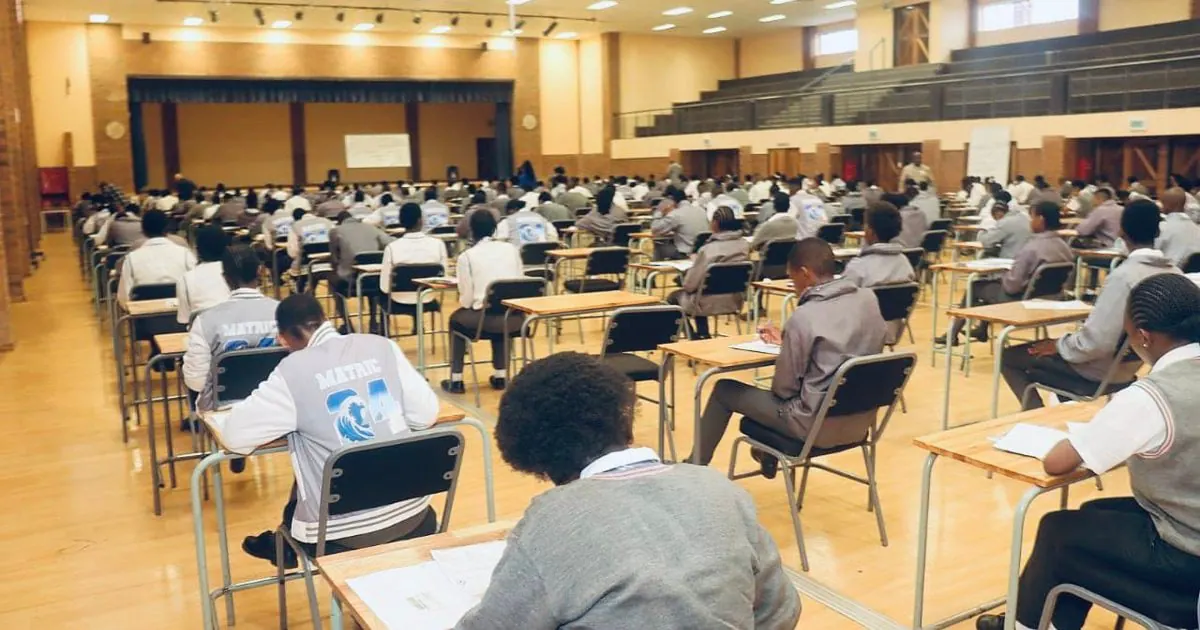
The largest-ever group of matriculants, nearly 963,000, will begin their final exams tomorrow. This significant number indicates an increase in educational throughput, according to Basil Manuel, Executive Director of the National Professional Teachers' Organisation of South Africa (Naptosa). The exams coincide with the run-up to and during the local government elections on 4 November, raising concerns about potential disruptions. Manuel expressed hope that such disruptions would be limited or non-existent to avoid added pressure on students and exam administrators.
Concerns have been raised about possible protests during the exams, particularly given the current tensions surrounding the local government elections. Manuel mentioned recent protests related to the home affairs issue, specifically anti-immigrant group March and March's actions against asylum seekers. These protests have led to road blockages and traffic disruptions, potentially affecting students' ability to reach schools, especially those relying on taxi transport in rural and city areas.
To mitigate potential disruptions, contingency plans have been put in place. If a student cannot reach their school, they can go to any other high school offering the same subject and write their exam there. This plan assumes that the alternative school offers the subject and has the necessary exam papers. The education department will then ensure that the scripts are properly sorted and batched.
In the event of a disruption affecting an entire school, alternative measures are considered. However, once exams have started, it's challenging to allow students to begin while others are finishing, as this could compromise the exam's validity and authenticity. The existence of multiple paper sets – one for immediate writing, one for emergencies, and another for rewrites – provides flexibility in such situations.
Students or parents facing issues during exams can contact the district office or their school as a first point of call. The district offices are well-known and can provide necessary assistance. Manuel emphasized the importance of protecting students during this critical period, appealing to the public to ensure their safety and minimize disruptions.
The 2026 cohort is significant not only in size but also in the context of educational progress. Manuel noted that last year's group was also the largest up to that point, indicating an improvement in educational throughput. This trend is seen as a positive development for the country's education system.
As the exams begin, authorities and stakeholders are closely monitoring the situation. The implementation of contingency plans and the cooperation of students, parents, and the public will be crucial in ensuring a smooth and fair examination process for this record-breaking group of matriculants.
Key points
- The 2026 matric cohort is the largest ever, with nearly 963,000 students writing their final exams.
- Contingency plans are in place to address potential disruptions, including protests and logistical issues.
- The exams coincide with the local government elections, adding to concerns about possible disruptions.