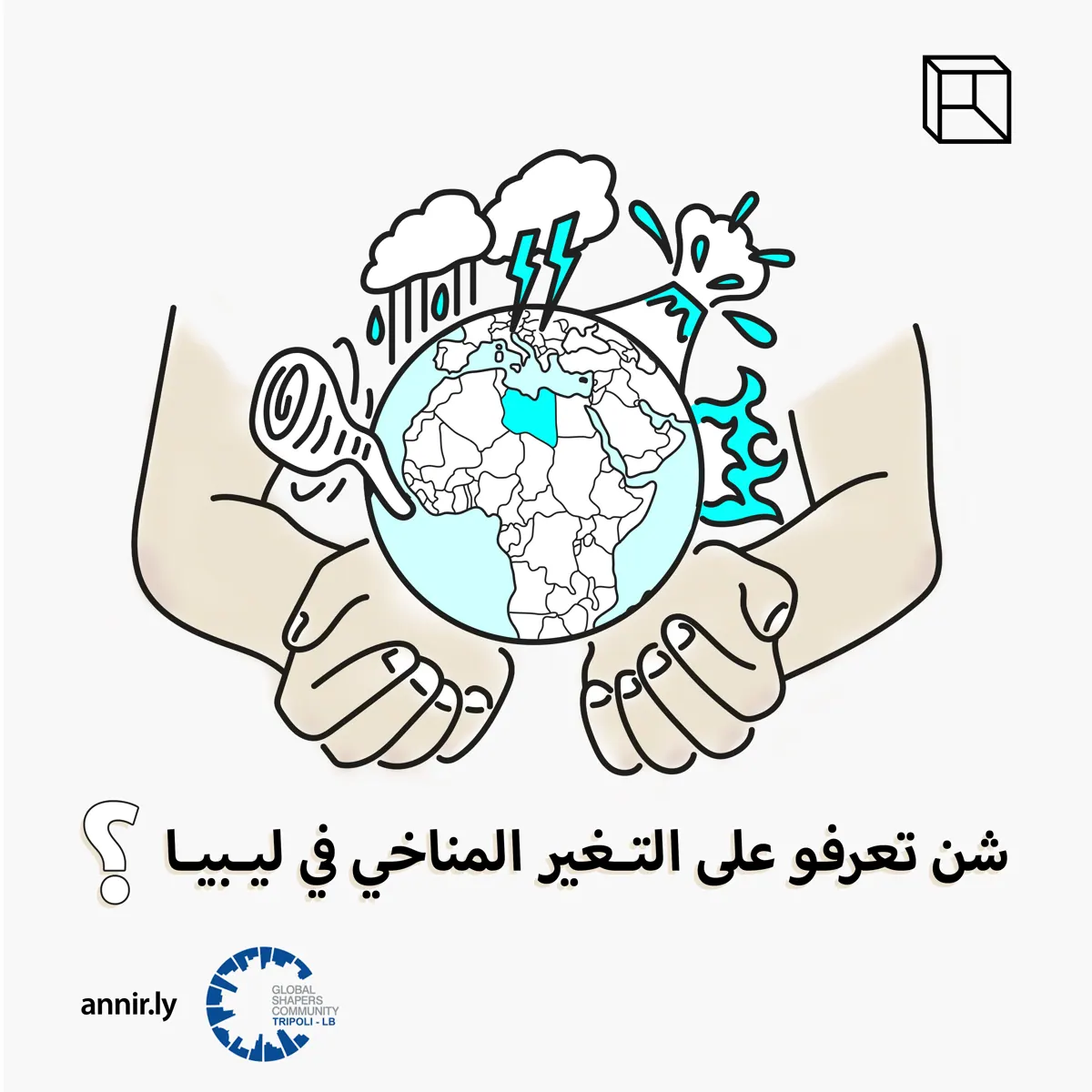
Climate change is no longer a distant threat but a harsh reality that Libya is grappling with. The country's unique geography, with 95% of its land covered by the Sahara Desert, makes it particularly vulnerable to climate-related challenges. Rising temperatures, changing precipitation patterns, and increased frequency of extreme weather events are altering the fabric of life in Libya. The consequences of climate change are far-reaching, affecting not only the environment but also the economy, health, and overall well-being of the Libyan people.
The causes of climate change are multifaceted, with human activities being a significant contributor. The burning of fossil fuels, deforestation, and land-use changes have led to a substantial increase in greenhouse gas emissions, primarily carbon dioxide. These emissions trap heat in the atmosphere, leading to global warming and associated climate change impacts. In Libya, the reliance on oil and its derivatives as a primary source of energy and income exacerbates the problem. The country's industrial activities, transportation, and energy production contribute to the growing levels of greenhouse gas emissions.
Libya's climate is characterized by a Mediterranean and desert climate, with hot summers and mild winters. However, climate change is altering these patterns, leading to more frequent and intense heatwaves, droughts, and sandstorms. The country's water resources, already scarce, are under increasing pressure due to climate change. The reduction in rainfall and increased evaporation due to rising temperatures are depleting groundwater reserves, threatening the country's agricultural sector and the livelihoods of those dependent on it.
The impact of climate change on Libya's agriculture is significant. The country's farmers, who rely heavily on rainfall and irrigation, are facing unprecedented challenges. The reduction in water availability and changing weather patterns are affecting crop yields, food security, and the overall economy. The situation is further complicated by the country's reliance on imported food, which is becoming increasingly expensive due to climate-related disruptions to global food systems.
A striking example of the effects of climate change in Libya is the drying up of the Wadi Kacam dam. The dam, which was once a vital source of water for irrigation and drinking water, has completely dried up due to a combination of factors, including reduced rainfall and increased evaporation. This has significant implications for the local population, who are now facing severe water shortages. The situation highlights the urgent need for climate-resilient water management practices and infrastructure.
The Libyan government has taken steps to address the challenges posed by climate change. In 2021, the government announced its intention to sign the Paris Agreement on climate change, committing to reduce greenhouse gas emissions and transition to a low-carbon economy. The government has also emphasized the need for a green and sustainable approach to development, including the use of natural gas as a cleaner alternative to liquid fuels. However, the implementation of these plans and the effectiveness of these measures remain to be seen.
The fight against climate change in Libya requires a multi-faceted approach that involves government, civil society, and individuals. It is essential to raise awareness about the impacts of climate change and the need for collective action. The development of climate-resilient infrastructure, sustainable agriculture practices, and efficient water management systems are critical to mitigating the effects of climate change. Libya's experience with climate change serves as a reminder of the urgent need for global cooperation and action to address this pressing issue.
Key points
- Climate change poses significant threats to Libya's environment, economy, and human well-being.
- The country's reliance on oil and its derivatives exacerbates the problem of greenhouse gas emissions.
- The implementation of climate-resilient practices and infrastructure is critical to mitigating the effects of climate change in Libya.