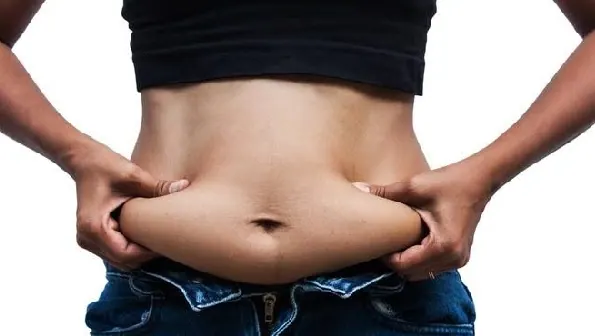
Fat has long been misunderstood as a necessary evil, with many people striving to burn it off in pursuit of a leaner physique. However, experts are sounding the alarm that having too little body fat can be just as unhealthy as having too much. Body fat plays a vital role in regulating bodily functions, including releasing hormones, storing energy, and maintaining body temperature. Without sufficient fat, the body can experience a range of negative consequences.
There are two types of fat: dietary fat and body fat. Dietary fat is the fat we consume through food, while body fat is the fat our bodies store for energy. When we eat, our bodies break down carbohydrates, proteins, and fats into simple building blocks that can be used for fuel. Excess energy is stored in fat cells, which expand in size as a result. However, body fat is not just a passive storage system; it is an active organ that regulates bodily functions, producing hormones that communicate with the brain about energy levels and storage.
Body fat is essential for maintaining bodily functions, including reproduction, immune function, and temperature regulation. Fat cells produce hormones such as leptin, which tells the brain that there is sufficient energy storage, allowing the body to focus on other important biological processes. Without leptin, the brain becomes concerned about energy availability, and essential functions are deprioritized. Additionally, body fat acts as insulation, helping to maintain body temperature, and specialized cells in brown and beige fat burn energy to produce heat.
Having too little body fat can have severe health consequences, including disrupted organ and bodily function, impaired immune function, and increased risk of fractures. When the body has too little fat, it responds by trying to conserve energy, essentially putting itself into starvation mode. This can lead to a range of negative consequences, including muscle breakdown, bone loss, and decreased hormone production. In extreme cases, having too little body fat can be fatal, as seen in cases of anorexia nervosa.
The health consequences of having too little body fat are not limited to physical health; it can also affect reproductive health. In men, extremely low body fat can lead to decreased testosterone levels, energy levels, and physical performance. In women, very low body fat can cause irregular periods or amenorrhea. Furthermore, research has shown that carrying extra weight in middle and older age is associated with better survival odds during critical illness, a phenomenon known as the obesity paradox.
So, how much body fat do we really need? The answer is not straightforward, as individual needs vary. However, as a general guide, healthy adult men tend to have around 10-20% body fat, while healthy adult women tend to have around 20-29% body fat. Athletes, on the other hand, tend to have lower body fat percentages. Measuring body fat can be tricky, but methods such as DEXA full-body scans and skinfold tests can provide an accurate assessment.
Experts stress that it is essential to maintain a healthy balance of body fat, rather than striving for an extreme lean physique. Elif Oral, an endocrinologist and professor of medicine at the University of Michigan, emphasizes the importance of loving and accepting our fat, rather than trying to eliminate it. By understanding the vital role that body fat plays in regulating bodily functions, we can work towards a healthier and more balanced approach to fitness and wellness.
Key points
- Having too little body fat can lead to a range of negative health consequences, including disrupted organ and bodily function, impaired immune function, and increased risk of fractures.
- Body fat plays a vital role in regulating bodily functions, including releasing hormones, storing energy, and maintaining body temperature.
- Maintaining a healthy balance of body fat is essential, rather than striving for an extreme lean physique.