The debate over AI data centers and their impact on electricity rates is heating up on Capitol Hill, with lawmakers advancing competing proposals to protect ratepayers. Republicans are pushing the Ratepayer Protection Act, sponsored by Ohio Senator Jon Husted, which would have state utilities consider holding "large-load" customers responsible for increased costs. The bill has strong bipartisan support, passing easily in the House in September. However, Senate Minority Leader Chuck Schumer opposes the measure, citing its voluntary protections for ratepayers.
The cost of AI data centers is already showing up in customers' bills, with estimates suggesting that Maryland customers pay an additional $168 to $216 per year due to the data center boom. According to Connor Waldoch, co-founder of Grid Status, the costs of infrastructure built by local utilities will ultimately end up in customers' bills. The impact of data center growth on residential bills is complex, depending on utilities' power-purchasing contracts, retail rates, and regulatory decisions about who pays.
Determining how much of the grid infrastructure benefits data centers and how much benefits other customers is a major challenge in determining who gets the bill. Data center growth can push up wholesale energy costs by increasing demand, and there are also costs associated with building new power lines, substations, and other infrastructure to connect data centers to the grid. Lucy Qiu, a professor at the University of Maryland, notes that it depends on the scale of the upgrade and how utilities account for the different share of costs.
PJM, a regional transmission organization, estimates that data centers have cost their 67 million ratepayers about $29 billion over the past two years. Ari Peskoe, director of the Harvard Electricity Law Initiative, notes that everyone pays those costs, which are spread across the region to every business and resident with an electricity meter. However, a single, clean number that applies nationwide is not possible due to non-disclosure agreements and varying utility contracts.
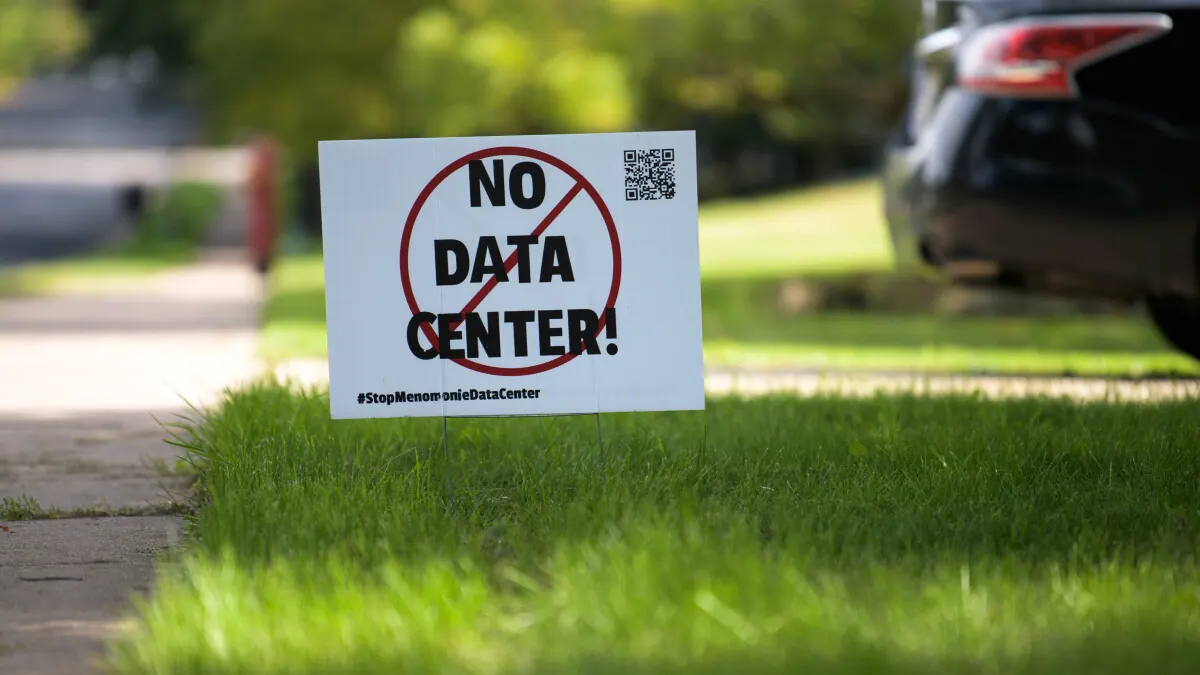
Non-disclosure agreements have become a sore spot on the local level, with residents opposed to new data centers calling out local officials for secrecy surrounding deals. A study by the University of Mary Washington found that NDAs had been signed in 80% of Virginia localities with existing, approved, or proposed data centers. Dominion Energy, which serves Loudoun County, Virginia, home to about 250 data centers, recovers costs for distribution and transmission infrastructure from customers, with all costs reviewed and approved by the Virginia State Corporation Commission.
The data center industry is in a hurry, and waiting for new power-generation technologies is not an option. As a result, utility companies may need to opt for less efficient power plants, passing those costs onto consumers over time. Additionally, big customers like AI data centers pay less per kilowatt hour for power than residential customers, which can be a contentious issue in the current environment where many Americans are worried about data centers increasing their electricity bills.
However, not all price increases are linked to data centers, and some of the new substations and power lines were going to need to be replaced anyway due to extreme weather events. The AI boom can accelerate the upgrade of grid infrastructure, and there is evidence that resiliency is better for people living near data centers due to the robust infrastructure those facilities require. As the debate continues, lawmakers and regulators will need to balance the benefits of AI data centers with the costs and ensure that ratepayers are protected.
Key points
- The cost of AI data centers is already showing up in customers' bills, with estimates suggesting that Maryland customers pay an additional $168 to $216 per year.
- Determining how much of the grid infrastructure benefits data centers and how much benefits other customers is a major challenge in determining who gets the bill.
- The debate over AI data centers and their impact on electricity rates is heating up on Capitol Hill, with lawmakers advancing competing proposals to protect ratepayers.