The World Health Organisation estimates that 62 million tonnes of electronic waste are discarded every year, with less than a quarter recycled through formal means. A 2024 study by the United Nations Institute for Training and Research found that 77.7% of the world's e-waste is not formally collected or recycled. This has raised serious public health concerns, particularly in areas like Agbogbloshie, a notorious e-waste hub in Accra, Ghana.
Agbogbloshie, located less than a kilometre from Accra's Central Business District, has been a focal point of research for decades due to its contribution to air pollution. Electronic gadgets from around the world arrive at the site at the end of their life cycle, where scavengers extract vital parts, forcing them into a new life cycle that becomes a danger to the environment and society. The search for copper wires is a significant driver of this e-waste menace.
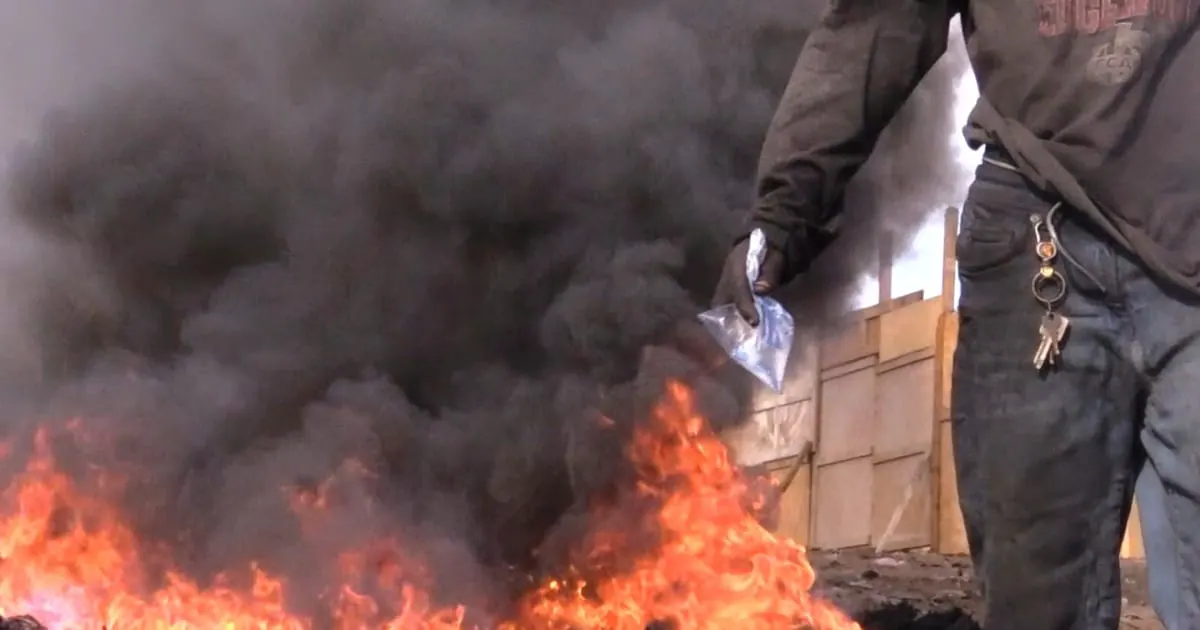
At Agbogbloshie, a group known as the 'Burner Boys' openly burns cables to extract copper and other useful metals, releasing toxic substances like lead and mercury into the air. Prolonged inhalation of these pollutants is taking a toll on residents and workers in Agbogbloshie, Old Fadama, Abbosey Okai, and nearby settlements. A documentary by 3News found high levels of pollutants in the air at Agbogbloshie, with all indicators consistently exceeding WHO standards.
The Agbogbloshie air quality situation is complex, with general waste causing methane emissions, carbon emissions from vehicles, open burning of electronic waste, and household and commercial cooking activities all contributing to poor air quality. A general assessment of particulate matter (PM) 2.5 shows a serious crisis that needs a critical solution. The scrap dealer and burner boy business is a significant contributor to this crisis.
Scrap dealers in Agbogbloshie collect scraps, wires, and goods, smashing, sorting, and extracting useful metals from consumer electronics. Many of these dealers migrated from northern Ghana to Accra in search of a better economic life but have been in the business for decades. They use magnets to extract copper, which is a lucrative but high-risk business.
The burner boys, who play a crucial role in burning cables to extract copper, have been doing this work for years, despite the risks. They have different groups, and competition is high, with known customers. After burning, they bundle the copper and hand it back to the scrap dealers. The burner boys have expressed concerns about the health consequences of inhaling smoke, with many experiencing weakened bodies and visiting hospitals for treatment.
The health dangers from polluted air are a significant concern, with experts describing the situation as a disaster of mammoth proportions. For the over 80,000 people living and working around Agbogbloshie, the 'slow poison' of air pollution is immediate and deadly. The practice can be deadly, even for the burner boys, with one scrap dealer recounting the death of a colleague who was burning an airbag that exploded and cut his throat.
Key points
- The World Health Organisation estimates that 62 million tonnes of electronic waste are discarded every year, with less than a quarter recycled through formal means.
- Agbogbloshie, a notorious e-waste hub in Accra, Ghana, has been a focal point of research for decades due to its contribution to air pollution.
- The air quality situation in Agbogbloshie is complex, with multiple factors contributing to poor air quality, including general waste, vehicle emissions, and open burning of electronic waste.