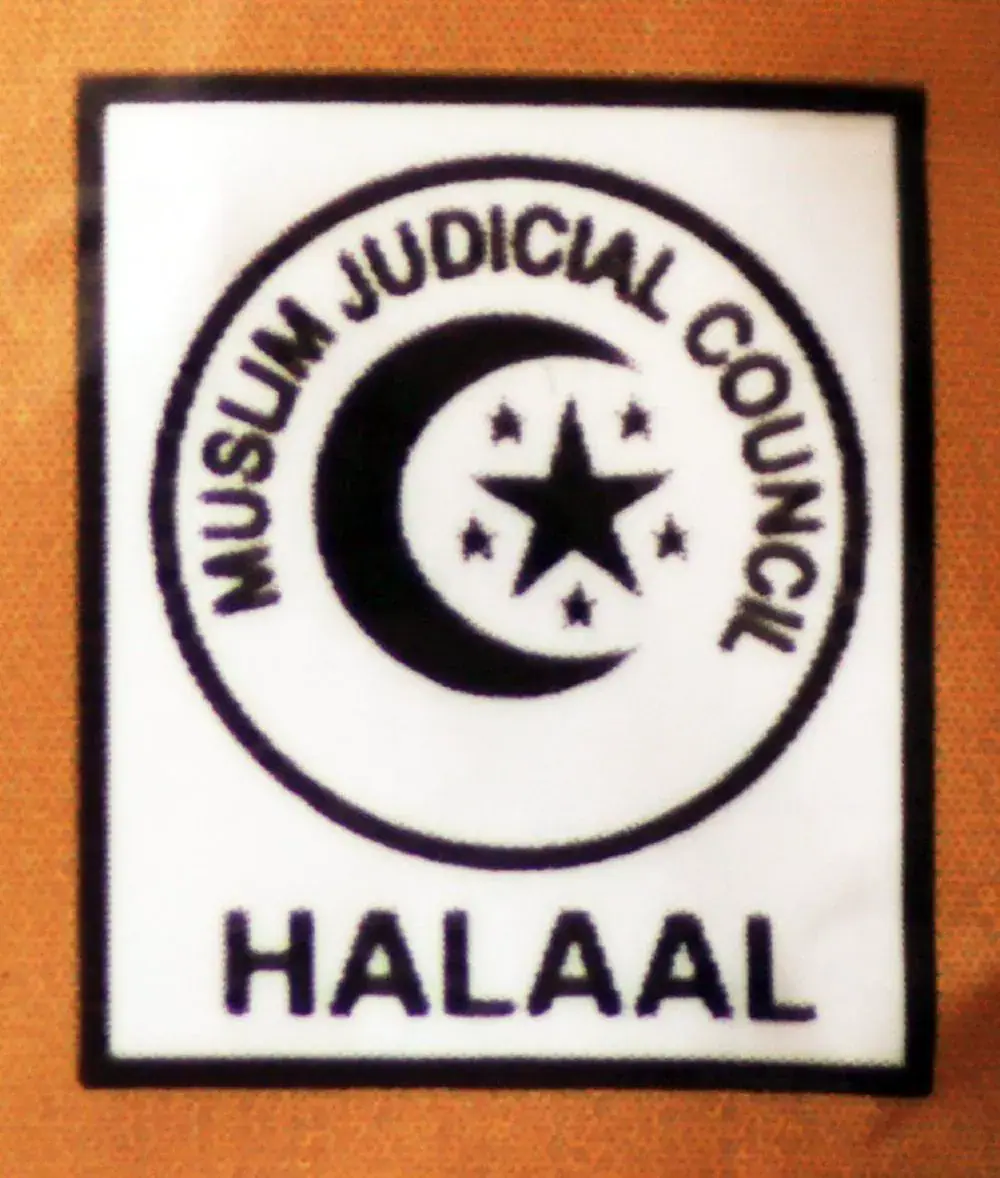
A recent TikTok video questioning the widespread availability of halaal food in South Africa has sparked a heated debate on social media and offline. The video, created by user Sokhana Saliwa, expressed concern that 97% of South Africans do not believe in Allah, yet are being sold and fed food that is prepared according to Islamic dietary requirements. Saliwa also noted that many restaurants in South Africa are halaal-certified, catering to a religious minority.
To understand the context of the debate, it is essential to define what halaal means. Halaal is an Arabic word meaning permissible or lawful, referring to what is permitted under Islamic law. In the context of food, halaal dietary requirements prohibit certain foods and ingredients, including pork and its derivatives, as well as alcohol. Meat must meet specific requirements relating to its source and slaughter, involving the invocation of Allah's name and a humane slaughter process.
The South African National Halaal Authority (SANHA) is responsible for certifying products and establishments that comply with Islamic dietary requirements. The certification process involves assessing products and establishments to ensure they meet the relevant standards, including monitoring and audits. This certification applies to individual products, food manufacturing processes, restaurants, and other establishments, providing assurance to Muslim consumers that the products meet their dietary requirements.
One of the claims made in the viral video is that even basic foods, including vegetables, are certified halaal. However, the presence of a halaal logo does not imply that a vegetable has been slaughtered or that every product has undergone a religious ritual. Many basic foods are naturally permissible under Islamic dietary rules, and certification is a separate process that provides assurance that a product or its production meets the applicable standards.
The certification process can extend to fresh produce and processed plant-based products. For manufactured foods, certification may involve examining ingredients, suppliers, production methods, and the possibility of cross-contamination with prohibited substances. This means that a product may be certified to provide assurance to Muslim consumers even when it does not contain meat.
A common misconception is that halaal certification implies that food is being sacrificed to Allah. However, halaal is a broader dietary concept that covers ingredients, products, and food preparation. Specific religious requirements apply to meat and its slaughter, but those requirements do not mean that every certified product has been sacrificed or subjected to a religious ceremony.
The widespread availability of halaal-certified products does not imply that South Africans are being forced to eat them. Consumers who do not require halaal certification can make their own choices about what they purchase and eat, subject to the products available to them. Restaurants may seek halaal certification to assure Muslim customers that their food meets the relevant dietary requirements, and businesses may seek certification to serve Muslim customers or meet market requirements.
Key points
- The debate surrounding halaal food in South Africa highlights the need for understanding and clarity on the certification process and its implications.
- Halaal certification provides assurance to Muslim consumers that products meet their dietary requirements, but does not imply that non-Muslim consumers are being forced to eat halaal food.
- The presence of a halaal logo on a product does not necessarily mean that it has undergone a religious ritual or been slaughtered.