Hip-hop is a cultural movement that has been influential globally, encompassing various artistic expressions and elements such as graffiti, breakdancing, DJing, emceeing, and knowledge. Its culture also includes beatboxing, street fashion, language, entrepreneurship, and other forms of creative expression. The movement began spreading internationally in the 1970s, with foundational figures like Clive Campbell, also known as DJ Kool Herc, playing a crucial role in establishing its foundations. In Africa, hip-hop drew inspiration from the African-American movement that emerged in the 1970s and gained wider international exposure during the 1980s.
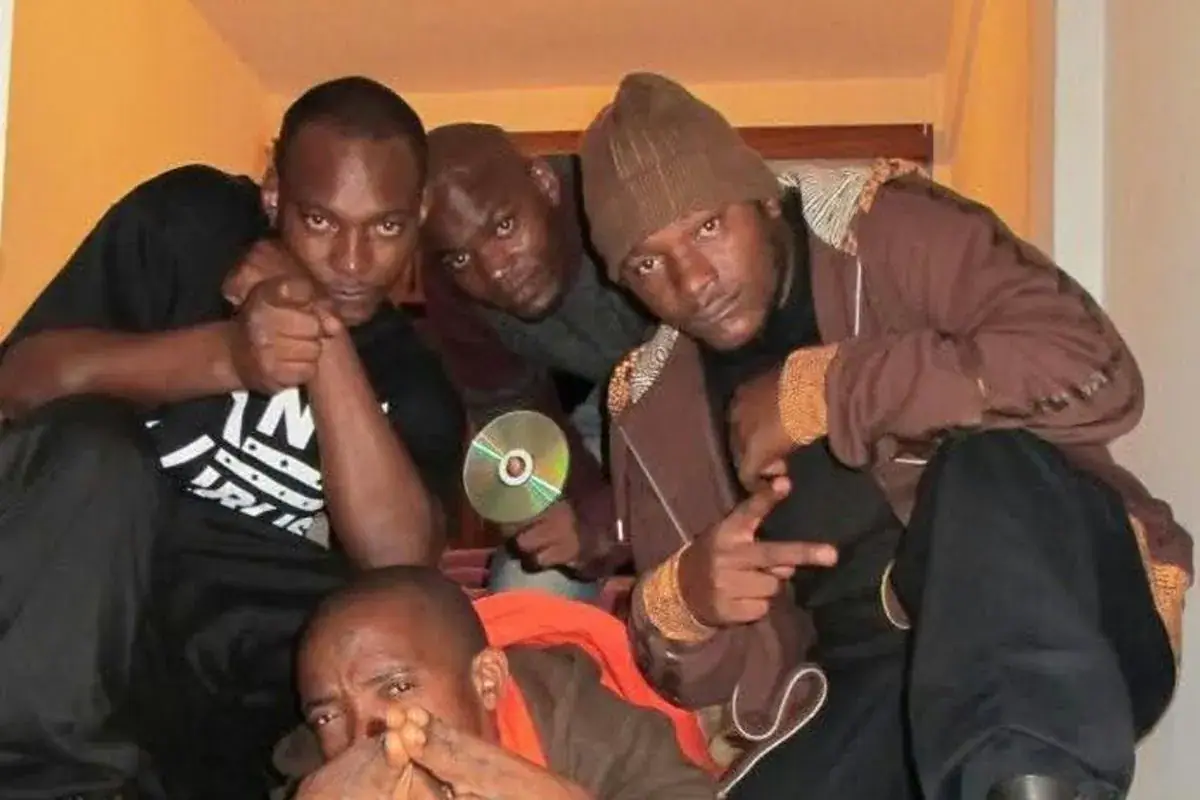
In Tanzania, hip-hop started gaining recognition in the late 1980s and throughout the 1990s, creating space for a new generation of artists to express themselves through music, language, fashion, and other elements of the culture. Pioneering groups such as Kwanza Unit, Fresh E X, and Diplomats helped lay the foundations for the generations that followed. Others, including GWM and Mawingu Band, alongside individual artists, contributed to the growing movement. Their influence helped hip-hop gain recognition among Tanzanians and contributed to the wider evolution of the country's music industry.
Hip-hop has also opened doors to entrepreneurship, creating opportunities for businesses and economic activities connected to the culture. Its influence continues to be felt across different sectors of the creative industry. According to KBC, a founding member of Kwanza Unit, "Hip-hop is never dying as long as the people are living. The narrative that hip-hop is dying often comes from misinformed people who don't understand the hip-hop culture." He argues that hip-hop enthusiasts must understand and uphold its principles while appreciating the different elements that make it what it is.
The traditional ways of celebrating hip-hop through emceeing, graffiti, cyphers, and freestyle sessions are still relevant today. In Dar es Salaam, Mr. Joseph Mbilinyi, popularly known as Mr II or Sugu, a pioneer of Tanzanian hip-hop and Bongo Flava, made efforts in the early 2000s to establish the Hip-Hop Summit. The event attracted thousands of fans, supporters, and people associated with the culture. Although the Summit belonged to a particular period in Tanzania's music history, it left behind an important blueprint for celebrating hip-hop and bringing its community together.
Mr. Mbilinyi has also continued to contribute to the celebration of music and culture through initiatives such as Bongo Flava Honors. Such platforms give artists opportunities to strengthen their professionalism, receive recognition, and contribute to the rebranding of the industry. They also allow performers to revisit memorable songs from their catalogues, perform live, and reconnect with audiences through music and nostalgia.
Another initiative that brought young creatives together was WaPi, which was part of the British Council's efforts to empower young people through arts and culture during the 1990s and early 2000s. These initiatives provided opportunities for young people to express themselves and showcase their talents, contributing to the growth and evolution of hip-hop in East Africa.
The evolution of hip-hop in East Africa is a testament to the power of cultural exchange and the ability of artistic movements to transcend geographical and social boundaries. As hip-hop continues to evolve, it is essential to understand and appreciate its principles, elements, and cultural significance. By doing so, enthusiasts can ensure that the culture continues to thrive and inspire new generations of artists and fans alike.
Key points
- Hip-hop culture in East Africa has evolved over the years, influenced by the African-American movement and local artistic expressions.
- The culture has contributed to the growth of entrepreneurship and the creative industry in the region.
- Initiatives such as the Hip-Hop Summit and Bongo Flava Honors have played a crucial role in celebrating hip-hop and bringing its community together.