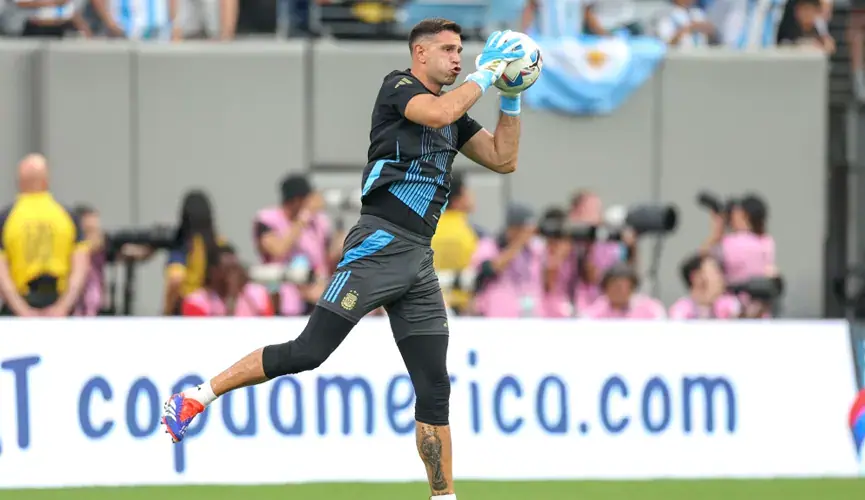
Argentine goalkeeper Emiliano Martinez has spoken about the injury he sustained during the recent World Cup, which has affected his transfer to an Italian club. Martinez, 34, revealed that he broke his finger while playing for Aston Villa and refused to undergo surgery to avoid missing the World Cup. As a result, his finger will never be the same, and he will require future surgery to alleviate the pain and restore mobility.
Martinez's injury is not an isolated incident in the world of football. Czech goalkeeper Petr Čech also played with a broken finger, wearing a special splint during a match in 2013. Čech's decision to play with the injury allowed Chelsea to win the game 4-1, but it also highlighted the risks that players take to participate in the sport. Čech had previously undergone surgery for a serious head injury and has been open about the challenges of managing pain while playing.
Ghanaian player Andre Ayew also made headlines in 2018 for his determination to continue playing despite suffering a serious finger injury during a match for Turkish club Fenerbahçe. Ayew's refusal to leave the field, despite the pain and the medical team's recommendation to substitute him, earned him praise from fans and the media. His actions demonstrated the level of commitment and dedication required to compete at the highest level of football.
French striker Karim Benzema has been living with an injury to his hand since 2019. He suffered a broken finger during a La Liga match against Real Betis and chose not to undergo surgery, instead opting to wear a supportive bandage to manage the pain. Benzema's decision to play through the injury has allowed him to continue performing at a high level, but it also raises questions about the long-term impact on his health.
These stories highlight the physical and mental demands of professional football. Players often face pressure to perform and may feel compelled to play through injuries, which can have serious consequences for their health and well-being. The cases of Martinez, Čech, Ayew, and Benzema demonstrate that even top players are not immune to injuries and must make difficult decisions about their participation in the sport.
The culture of football often prioritizes winning and success over player welfare, which can lead to players feeling pressured to play through pain and injury. This can have serious consequences, including long-term health problems and even career-ending injuries. As the sport continues to evolve, there is a growing recognition of the need to prioritize player welfare and provide support for athletes who are struggling with injuries.
Ultimately, the stories of Martinez, Čech, Ayew, and Benzema serve as a reminder of the sacrifices that football players make to compete at the highest level. While their dedication and commitment are admirable, they also highlight the need for a more nuanced approach to player welfare and injury management in the sport. By prioritizing the health and well-being of athletes, football can become a safer and more sustainable sport for everyone involved.
Key points
- Several football stars have spoken about the physical toll of playing at the highest level, including injuries and sacrifices made to continue competing.