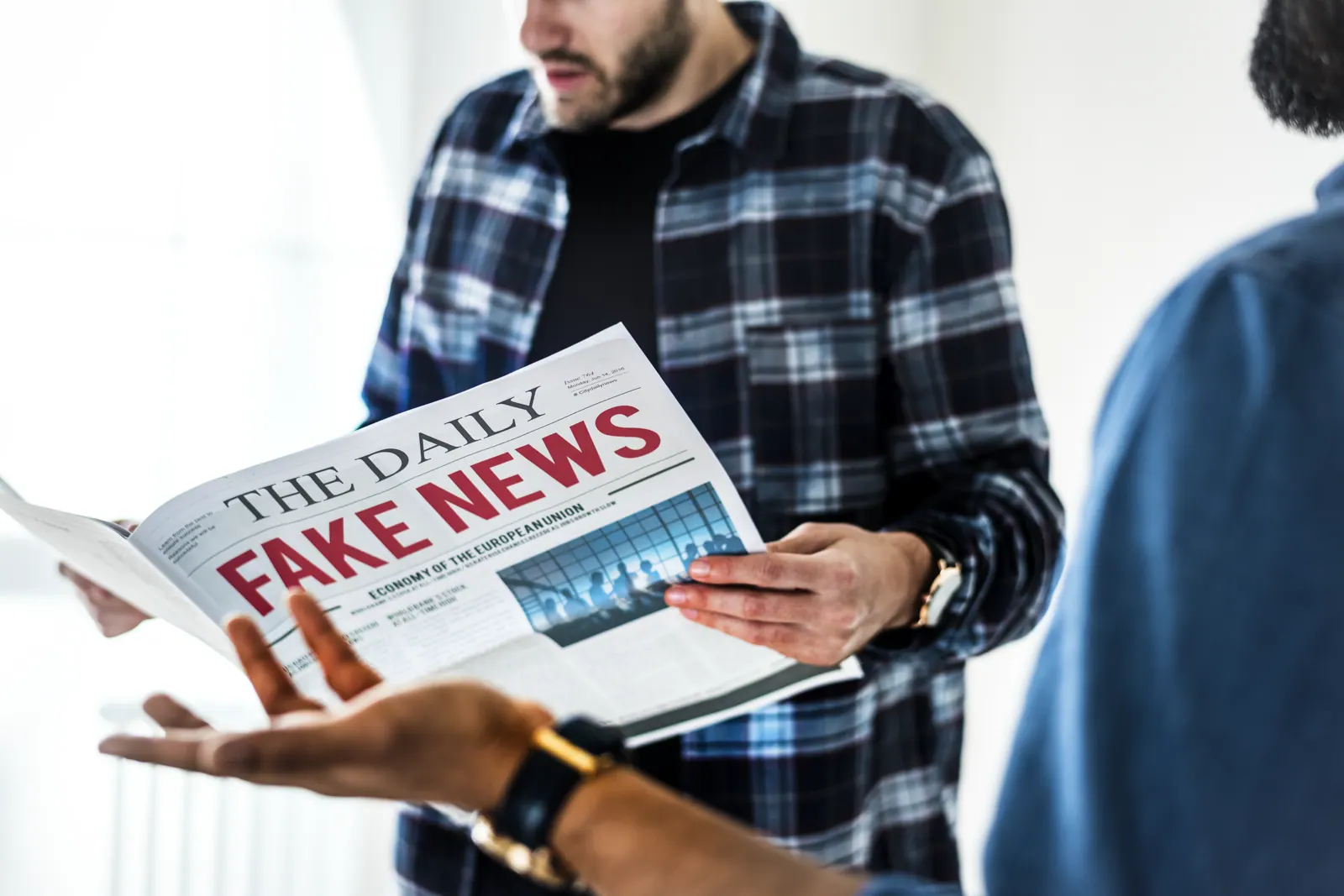
Fake news has become a significant concern in Libya, with many people falling victim to misinformation or spreading it unknowingly. This can have severe consequences, including the loss of life, and it is essential to address this issue. Libyans are encouraged to be vigilant and verify information before sharing it. The spread of fake news can be attributed to various factors, including the ease of sharing information on social media and the lack of fact-checking.
Researchers classify fake news into several types, including satire, propaganda, and fabricated stories. However, they can be broadly categorized into two main types: entirely fabricated stories and those that contain some truth but are inaccurate. Fabricated stories are often created to manipulate public opinion or influence people's actions. In contrast, inaccurate news stories may result from quoting a person out of context or misinterpreting their statement.
The impact of fake news can be substantial, as it can shape public opinion and influence people's decisions. In some cases, fake news can be used to discredit a particular individual or organization. Libyans are advised to be cautious when sharing information, especially if it seems too good or bad to be true. Verifying information through reputable sources is crucial in preventing the spread of fake news.
Fake news can also be spread in the opposite direction, where real news is misinterpreted or distorted. This can occur when people disagree with the information or find it inconvenient. Therefore, it is essential to verify information before sharing it, and to rely on credible sources. Libyans are encouraged to take responsibility for their actions and to be mindful of the information they share.
Several organizations have called on the Libyan government to address the issue of fake news. They have urged the government to develop strategies to combat the spread of misinformation and to promote media literacy. This includes educating people on how to identify fake news and how to verify information.
The issue of fake news in Libya has been exacerbated by the country's unstable political situation. The lack of a strong central government has created a power vacuum, which has been exploited by various groups. These groups have used social media to spread misinformation and propaganda, further complicating the situation.
To combat the spread of fake news, Libyans must take a collective responsibility to verify information before sharing it. This can be achieved by promoting media literacy and critical thinking. Additionally, the government and civil society organizations must work together to develop strategies to address the issue of fake news and promote a culture of fact-checking and verification.
Key points
- Libyans are urged to verify information before sharing it to prevent the spread of fake news.
- Fake news can have severe consequences, including the loss of life.
- The government and civil society organizations must work together to address the issue of fake news in Libya.